Broome students flag 'alt' accounts routing teens past Australia's under-16 ban
Students at Broome Senior High School say teenagers are still on social media via anonymous 'alt' accounts six months after Australia's under-16 ban took effect. eSafety says formal investigations into Facebook, Instagram, Snapchat, TikTok and YouTube continue.
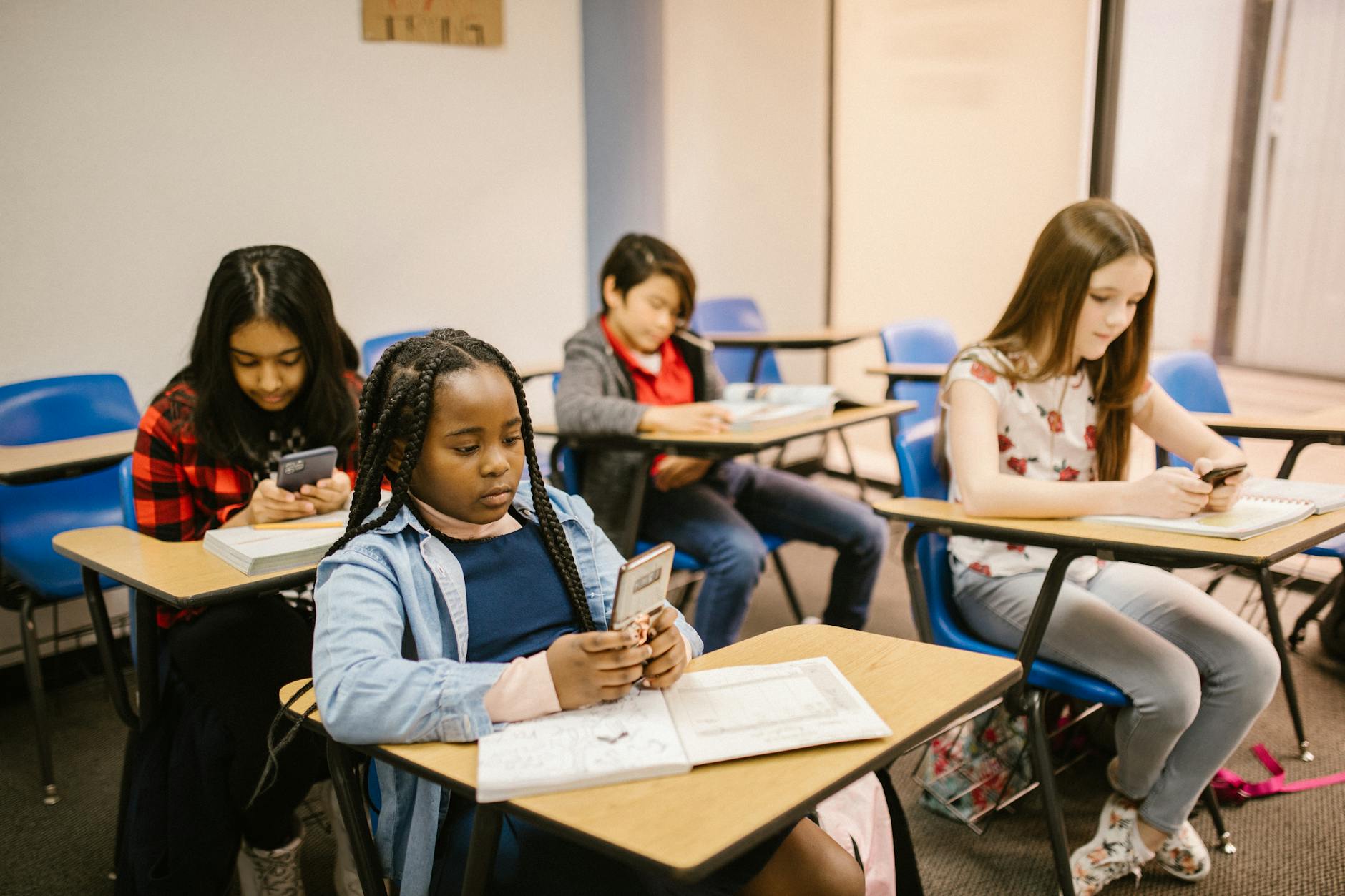
Students at Broome Senior High School say teenagers are using anonymous “alt” profiles to circumvent Australia’s world-first social media ban for under-16s, six months after the law took effect. Their comments to ABC News, published on Sunday, came alongside fresh detail on a Broome school assault that students linked to a fake account.
Year 10 student Shirley Wynne, 15, told ABC Kimberley reporter Rachel Jackson that young people were hiding behind alt profiles to post gossip and malicious content, and that platform reporting flows were too slow. “It varies, but a lot slides,” Wynne said. “It’s hard to get something taken down, it’s very like unlikely for your report to actually work.”
Kyra Herveux, who attends St Mary’s College in Broome, said many young people were not using social media correctly. “They create fake accounts, spread gossip and are really mean to other people,” Herveux said.
The Online Safety Amendment (Social Media Minimum Age) Act 2024 took effect on 10 December 2025. It requires age-restricted platforms to take “reasonable steps” to prevent under-16s from creating or keeping accounts. By mid-December, age-restricted platforms had removed 4.7 million under-16 accounts, the eSafety Commissioner reported. Platforms found in systemic non-compliance face civil penalties of up to A$49.5 million per breach.
eSafety investigates five platforms
Federal enforcement has since stepped up. On 31 March, eSafety Commissioner Julie Inman Grant announced formal investigations into Facebook, Instagram, Snapchat, TikTok and YouTube, citing four compliance gaps. The regulator said platforms had failed to prompt users who had previously declared ages under 16 to complete fresh age checks. Children were able to repeat age-assurance tests until they cleared. Reporting pathways for underage accounts were inadequate. Controls on new under-16 sign-ups were insufficient.
In a statement to ABC News, an eSafety spokesperson acknowledged the workaround. “We are working directly with social media companies to strengthen and uplift safety practices, and there will continue to be noticeable changes in underage detection and locking of accounts, as well as other compliance improvements,” the spokesperson said. “Where companies fail to address these safety shortcomings, formal regulatory investigations and enforcement action will be forthcoming.”
eSafety considers Facebook, Instagram, Snapchat, Threads, TikTok, Twitch, X, YouTube, Kick and Reddit among the platforms in scope.
The Online Safety Amendment passed federal Parliament in late 2024 with cross-party support. The law makes the platform, not the user, parent or carer, responsible for keeping under-16s off age-restricted services, and treats the platform’s account-level controls as the primary compliance evidence. Critics warned at the time that workarounds via VPNs, parent-borrowed credentials and alt accounts would be difficult to police. The Broome students are among the first to describe how those workarounds operate inside an Australian school.
Broome assault tied to fake account
In April, a Broome Senior High School student spent more than 24 hours in hospital after an assault during an after-school incident. Her mother, who the ABC has not named, said her daughter had been kicked repeatedly by another student and sustained a broken tooth. Other students had created a fake account depicting her daughter prior to the attack, the mother said.
“They’re still kids, they don’t know how bad this can be, or how much they can hurt someone else,” she told the ABC. The mother said school staff had been doing “everything they could” to help her daughter return to class.
A WA Department of Education spokesperson said the agency was aware of the incident and treated violence “extremely seriously”. “There are clear and immediate consequences for students who engage in anti-social behaviour,” the spokesperson said. Principals and teachers had access to resources to take firm action, the department said, but the issue could not be tackled by schools alone.
A WA police spokesperson said investigations into the assault were continuing.
Calls for better tools, not just a ban
Year 9 student Lily Malcolm, 14, said better education and stronger reporting tools were needed in place of an outright ban. “They didn’t try to fix social media problems, they just banned it,” Malcolm said. She said flagged content needed to be removed faster, particularly when young people felt unsafe.
eSafety has said systemic remediation, rather than account-level removals, is the next phase of enforcement. The formal compliance review of the five platforms will inform whether the office issues infringement notices or seeks Federal Court orders.
Australia’s online age-restriction regime is one of several pressures on the same set of US-headquartered platforms. The federal government this month confirmed a draft 2.25 per cent levy on Meta, Google and TikTok under the news bargaining incentive scheme, separate from the under-16 framework but targeting the same companies.
For now, Broome students say the everyday experience has not changed much. Reports take weeks to action. Alt accounts surface within days of bans. Bullying continues. eSafety has said updated compliance figures from the five investigated platforms will follow the conclusion of the regulatory review.

Marnie Blackwood
Regulation reporter on Privacy Act reform, eSafety, ACCC tech enforcement, and ACMA. Reports from Canberra.