Acacia Systems lands $1.6m to build AI undersea surveillance for the Navy
Adelaide-based Acacia Systems will develop AI-powered undersea threat detection technology for the Royal Australian Navy, backed by $1.6 million in South Australian Government funding through the Defence Innovation Partnership's Activator Fund.
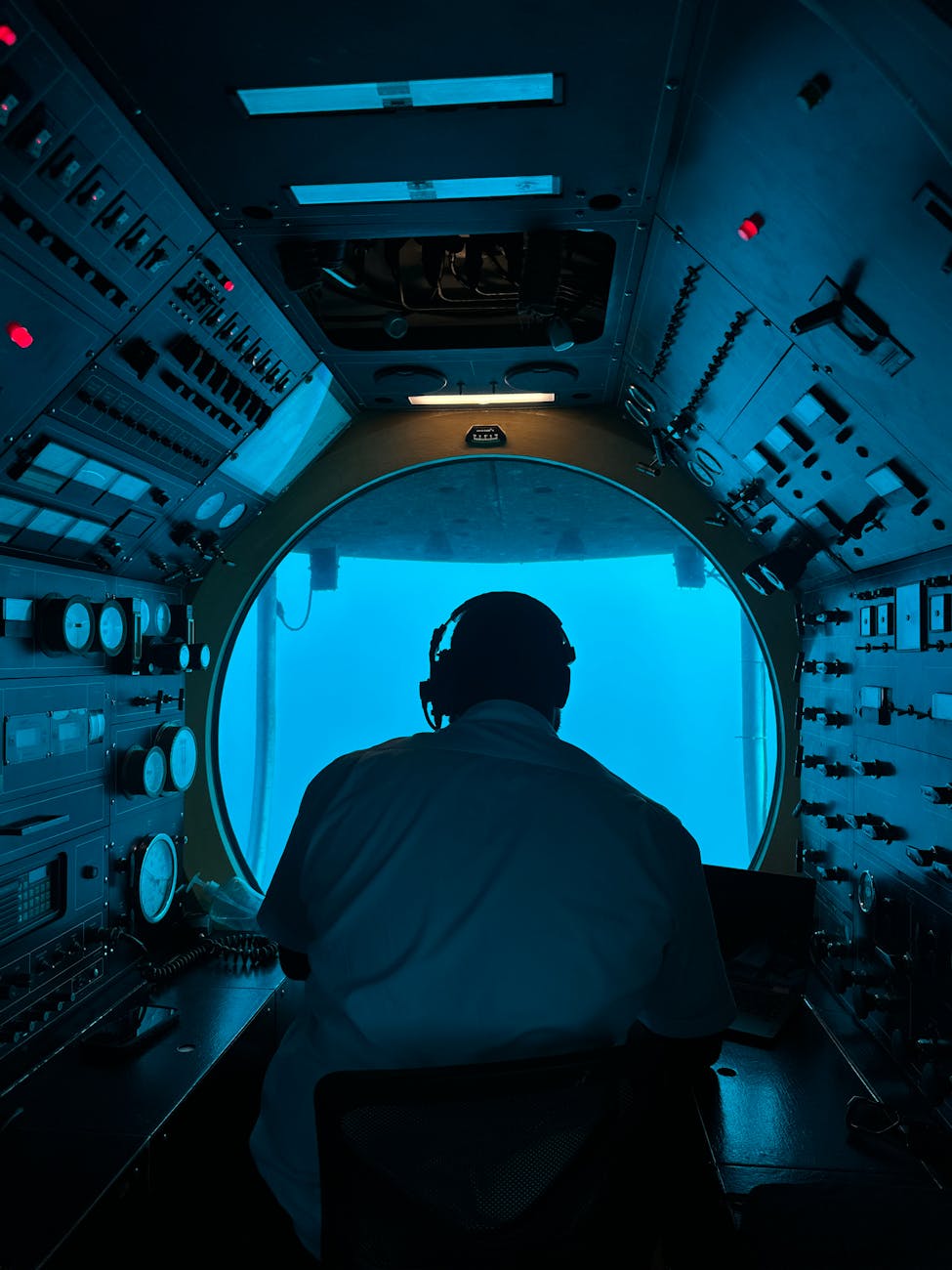
Adelaide-based defence technology firm Acacia Systems has secured $1.6 million from the South Australian Government to develop AI-powered undersea surveillance technology for the Royal Australian Navy, the state government announced Tuesday. The funding, awarded through the Defence Innovation Partnership’s Activator Fund, pools expertise from the Defence Science and Technology Group, the University of Adelaide, Curtin University, and Saab Australia. The project aims to sharpen the Navy’s ability to detect underwater threats autonomously, a capability that has become a strategic priority as Indo-Pacific naval competition intensifies and foreign submarine activity in Australia’s northern approaches continues to expand.
“This is exactly the kind of advanced capability we want being developed right here in South Australia — technology that strengthens our national security while backing local jobs and expertise,” Chris Picton, South Australia’s Minister for Defence and Space Industries, said in a statement.
Three outcomes emerged.
Researchers improved the potential for automatic detection of undersea threats beyond current operational limits, moving past what conventional sonar can achieve in cluttered acoustic environments such as littoral waters where submarines can hide amid thermal layers and ambient noise. They also developed options for more accurate placement of sensors with a higher degree of tracking precision, modelling optimal deployment patterns for autonomous underwater vehicles carrying passive acoustic arrays. And they demonstrated integration between Acacia’s Onyx threat detection platform and Saab’s combat management system, a key interoperability milestone for any technology the Navy might ultimately deploy aboard its surface fleet or future submarines.
Bob Humphreys, CEO of Acacia Systems, said the project benefited from a narrow focus on sovereign capability that avoided the drift common in multi-stakeholder research programs. “The success of the Activator project benefitted enormously from having an absolute clarity of vision — to enhance Australia’s sovereign capability in autonomous undersea surveillance aligned with one of Defence’s investment priorities focussed on undersea warfare and uncrewed maritime systems,” Humphreys told Mirage News.
The sovereignty argument has gained weight inside Defence headquarters in Canberra. Australia’s 2024 National Defence Strategy named undersea warfare as a critical capability gap, and the AUKUS submarine program — under which Australia will acquire nuclear-powered submarines — has sharpened the demand for homegrown detection and tracking technology that does not depend on foreign supply chains or export-control regimes. For a continent whose northern maritime approaches are patrolled by an expanding fleet of foreign submarines, the logic of building the detection layer locally and keeping the intellectual property onshore has moved from desirable to urgent.
How the technology works
The project addresses a specific operational limitation that has bedevilled anti-submarine warfare for decades. Traditional sonar systems mounted on surface ships and submarines produce enormous streams of acoustic data, but human operators can only monitor so many frequency bands at once. Fatigue, shift changes, and the sheer difficulty of distinguishing a submarine’s acoustic signature from a passing whale or a fishing trawler mean contacts are missed regularly even in well-resourced navies.
By applying machine learning to acoustic signal processing, the research team has shown that automated threat recognition can flag anomalies faster and with fewer false positives than human operators working alone — a difference that could prove decisive in a submarine-hunting scenario where reaction time is measured in seconds.
Acacia intends to fold the research outcomes into its Onyx automatic threat detection and tracking system over the next 12 months. The Onyx platform, already deployed in maritime surveillance applications with the Royal Australian Navy and other customers, processes sonar and radar feeds through a common operating picture, flagging contacts that warrant operator attention while filtering out non-threatening traffic. Integrating the Activator-funded research would add a dedicated layer of AI-driven acoustic analysis tuned specifically for the undersea domain, complementing the system’s existing above-water tracking capability. The company plans further engagement with the Defence Science and Technology Group and the Navy to explore transitioning the technology to operational capability, though no contract for deployment has been signed.
“Acacia will be continuing R&D efforts leveraging the success of the program and intends integrating the research outcomes into its Onyx automatic threat detection and tracking system in the coming 12 months,” Humphreys said.
The timing is significant. Defence has signalled it will direct more funding toward autonomous systems in the forthcoming Integrated Investment Program, and South Australia has positioned itself as the locus of naval shipbuilding and undersea warfare research — hosting both the Osborne shipyard and a growing cluster of more than 150 defence technology firms. Acacia’s project lands at the intersection of that convergence, with the 12-month integration window set to land inside the next Defence budget cycle. If the integration succeeds, Acacia would be one of a handful of Australian firms with a deployable AI-driven undersea surveillance capability, a market defence analysts expect to grow sharply as navies worldwide turn to autonomous systems for the submarine-detection mission.

Soren Chau
Enterprise editor covering AWS, Azure, and GCP in the AU region, plus the SaaS shaping local IT. Reports from Sydney.