ASIC probes DroneShield as stock plunges on director sales
ASIC opened a formal investigation into the ASX-listed counter-drone company after directors sold $66.8 million in shares. Shares dropped 15 per cent on the news.
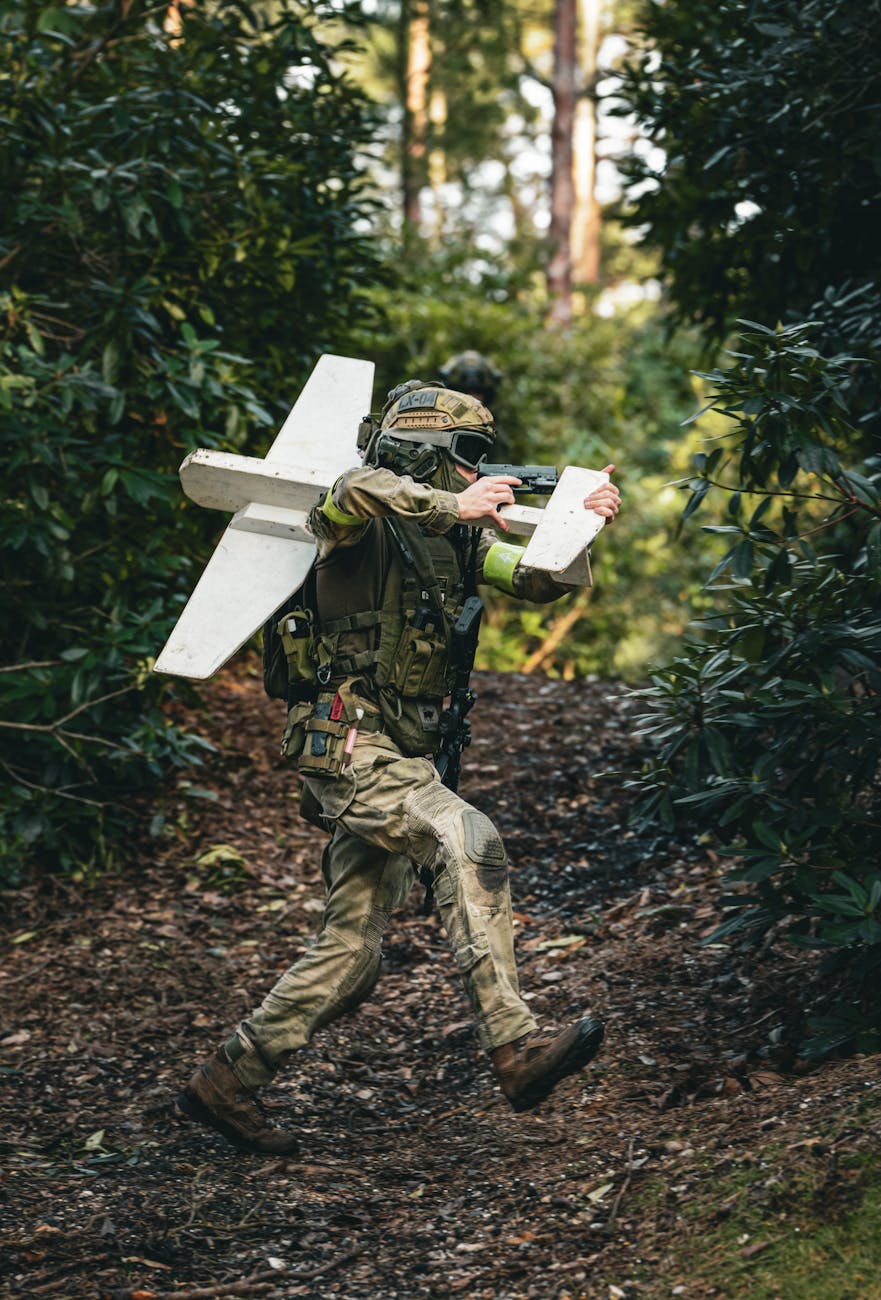
The Australian Securities and Investments Commission has launched a formal investigation into DroneShield, the Sydney-based counter-drone technology company, over director share sales worth $66.8 million and errors in the company’s financial disclosures. Shares in the ASX-listed defence contractor dropped 15 per cent on Monday, falling as low as $2.99 and wiping roughly $440 million from its market capitalisation.
The damage was swift.
DroneShield told investors it had received notices from ASIC requiring the company to assist with inquiries into the trading activity and disclosure lapses. The notices landed after a Sydney Morning Herald investigation detailed the scale of the insider selling, which occurred across a single week in November 2025.
The share sales were concentrated between November 6 and November 12. Former chief executive Oleg Vornik sold $49.5 million worth of stock. Outgoing chair Peter James offloaded $12.4 million in the same window. Together, the two directors accounted for nearly the entire $66.8 million in insider trades.
And then the stock fell — sharply, and with a disclosure amendment close behind.
James has defended his decision. “My share sales were primarily to settle tax liabilities associated with the performance share plan,” he told the Sydney Morning Herald. The explanation does not address why the sales were clustered so tightly. Nor does it say whether the board was aware of the impending disclosure amendments.
DroneShield, founded in 2014, develops radio-frequency jamming systems that detect and neutralise hostile drones. Its products have been deployed by the Australian Army, several European militaries, and law enforcement agencies in Brazil and the United States. The company has been one of Australia’s most prominent defence-tech exporters, riding the global surge in counter-drone spending triggered by the war in Ukraine. The Defence portfolio has been a reliable tailwind for the stock.
But the governance questions now facing the company are not routine. ASIC’s decision to launch a formal investigation — rather than issue a notice or request for information — signals the regulator sees more than a disclosure slip. The combination of concentrated director selling, subsequent disclosure amendments, and a sharp share-price decline bears the hallmarks of a case the corporate watchdog has publicly committed to prioritising.
The investigation lands in a shifting regulatory landscape. The federal budget, handed down last week, committed $14.7 million over four years to boost ASIC’s enforcement capabilities, with budget papers specifically targeting “disclosure lapses in high-growth and emerging-technology listings.” It was a line that did not name DroneShield but landed squarely in its orbit, and it was reinforced by separate language about raising the bar on continuous-disclosure obligations for every ASX-listed company.
The proposed changes would narrow the window firms have to notify the market of material developments. For tech stocks — where volatility is already elevated and insider trading windows compress around product launches and contract wins — the reforms would tighten compliance considerably. Several ASX technology firms, many of which listed during the 2020-2021 IPO wave, face the prospect of a more muscular regulator just as market conditions have turned.
Angus Bean has now stepped in as chief executive of DroneShield, replacing Vornik, who left in April 2026. Bean, a former executive at defence contractor Nova Systems, inherits a company confronting its most serious reputational challenge since listing. The board has not said whether it will commission an internal review to run alongside ASIC’s investigation. Meanwhile, the stock closed at $3.65 on Friday, before the ASIC notice became public, and opened at $3.49 on Monday before sliding through the session to an intraday low of $2.99 — a level not seen since the company’s early-pandemic trading range. The $440 million in market value erased equals roughly a quarter of DroneShield’s market capitalisation at the start of May.
Analysts who cover the defence-technology sector are cautious. DroneShield’s underlying business — contracts with NATO-aligned militaries and growing traction in civilian airspace security — remains fundamentally sound. But the investigation clouds the company’s ability to raise capital on favourable terms. Institutional investors often retreat from stocks under active ASIC inquiry until the outcome is known, and the absence of a timeline from the regulator makes that posture the default.
For the broader ASX tech sector, the DroneShield case is a test. If ASIC pursues the investigation aggressively and the budget reforms pass, the compliance burden on every high-growth technology listing will shift meaningfully. Companies that went public during the 2020-2021 wave — when disclosure standards were looser and growth narratives dominated — face the sharpest adjustment. Several have already tightened insider-trading policies pre-emptively in the weeks since the budget was handed down.
ASIC has not commented on the scope or expected duration of its investigation. DroneShield, in its ASX statement, said it would “co-operate fully” with the inquiry and declined to speculate on the outcome. The market, for its part, has already cast a vote — and it was not ambiguous.

Soren Chau
Enterprise editor covering AWS, Azure, and GCP in the AU region, plus the SaaS shaping local IT. Reports from Sydney.