PlayStation discs end in 2028 as Sony goes digital-only
PlayStation discs will disappear from new releases in January 2028 as Sony pushes buyers towards downloads, resale-free libraries and bigger installs.
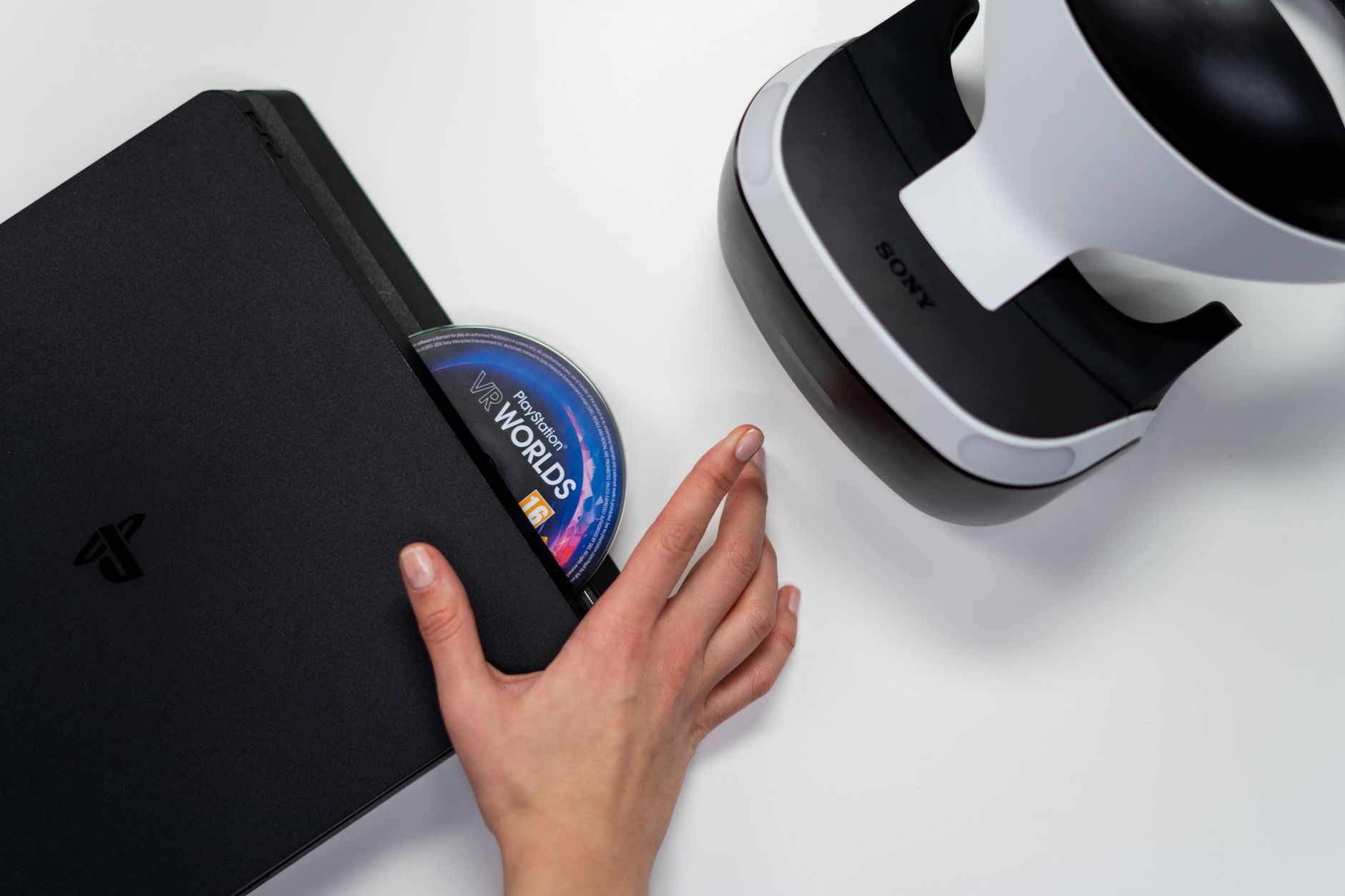
Sony says new PlayStation games released from January 2028 will be digital-only, putting a hard date on the end of new disc production for its console platform. The company disclosed the move this week after years of pushing players towards downloads and account-based libraries.
In Australia, the change is less about nostalgia for boxed games than the things a disc still lets people do. New-release discs can be resold, lent to a friend or bought from a retailer discounting stock. A download-only model shifts that control back towards Sony’s store and account system. It also assumes broadband can handle large installs, which is still a practical issue for some households outside the fastest metro connections.
Sony’s case is blunt: buyers have already moved. The company said digital purchases now account for 78 per cent of full-game unit sales across PlayStation.
“This is a natural direction for Sony Interactive Entertainment to adapt to consumer trends as the general preference for digital media significantly outpaces physical discs.”
Sony Interactive Entertainment, PlayStation.Blog
The January 2028 deadline gives publishers, retailers and players a timetable rather than a vague direction of travel. TechCrunch reported that Sony’s March-quarter mix had digital purchases at 85 per cent of PS4 and PS5 full-game software sales, suggesting discs were already a minority format before this week’s notice. Sony did not say existing disc-based titles would stop working; its post was limited to new releases.
The practical effects go beyond packaging. Physical games still let buyers trade a title after finishing it, and a disc can spare some households from downloading the full package before the inevitable update. Once new releases become digital-only, those options narrow. Launch-day price competition may narrow as well, because shoppers move away from boxed stock sold through competing retailers and towards storefront pricing set by the platform owner.
Australian chains and independent games shops have about 18 months to push more of their business towards hardware, accessories, pre-paid credit and second-hand older titles. Big console launches will still bring buyers into stores, but the shelf space around new boxed software becomes harder to defend as the pipeline dries up. For players, the ownership question is simpler and sharper: a shelf copy can be passed on, while a digital purchase stays tied to an account and the store behind it.
The broader games industry has been heading in this direction for years. Ars Technica described Sony’s move as more than a routine format update because it arrived alongside other signs of support winding back in older parts of the PlayStation ecosystem. That context helps explain the reaction. The announcement is about delivery, but it is also about long-term access sitting inside one platform.
For local buyers, the trade-off is plain: faster access to more games, with fewer stock shortages, in exchange for less flexibility after the purchase. If Sony keeps the January 2028 date, the PlayStation aisle will not disappear overnight. The new-release business built around boxed games will start running out of road before then.

Pip Sanderson
Reviews editor on phones, wearables, and the gear that lands in Australian shops. Reports from Melbourne.