Amazon Kuiper broadband service set for Starlink fight
Amazon Kuiper broadband service is on track for a 2026 launch after reaching 396 satellites, setting up a live fight with SpaceX's Starlink.
Amazon says its latest satellite launch gives Project Kuiper, now branded Amazon Leo, enough spacecraft to begin broadband service later this year. In a mission update on the Atlas V launch by United Launch Alliance, the company said 29 satellites reached orbit, lifting the Leo fleet to 396 and clearing the threshold it needs for an initial rollout.
That moves Kuiper out of the long-promised category and into a harder test: running a broadband network. Amazon remains well short of the 3,232 satellites planned for its first-generation constellation, so the first service will not look like a finished global system. The question is now whether it can offer stable coverage, workable pricing and enough capacity to win remote access, backup connectivity and enterprise customers.
Amazon framed the launch as the point where deployment starts turning into service. Vice-president Chris Weber said the company had enough satellites in orbit to keep the timetable intact.
“We’ve completed enough launches for initial service this year, and future missions just add coverage and capacity.”
Chris Weber, Amazon
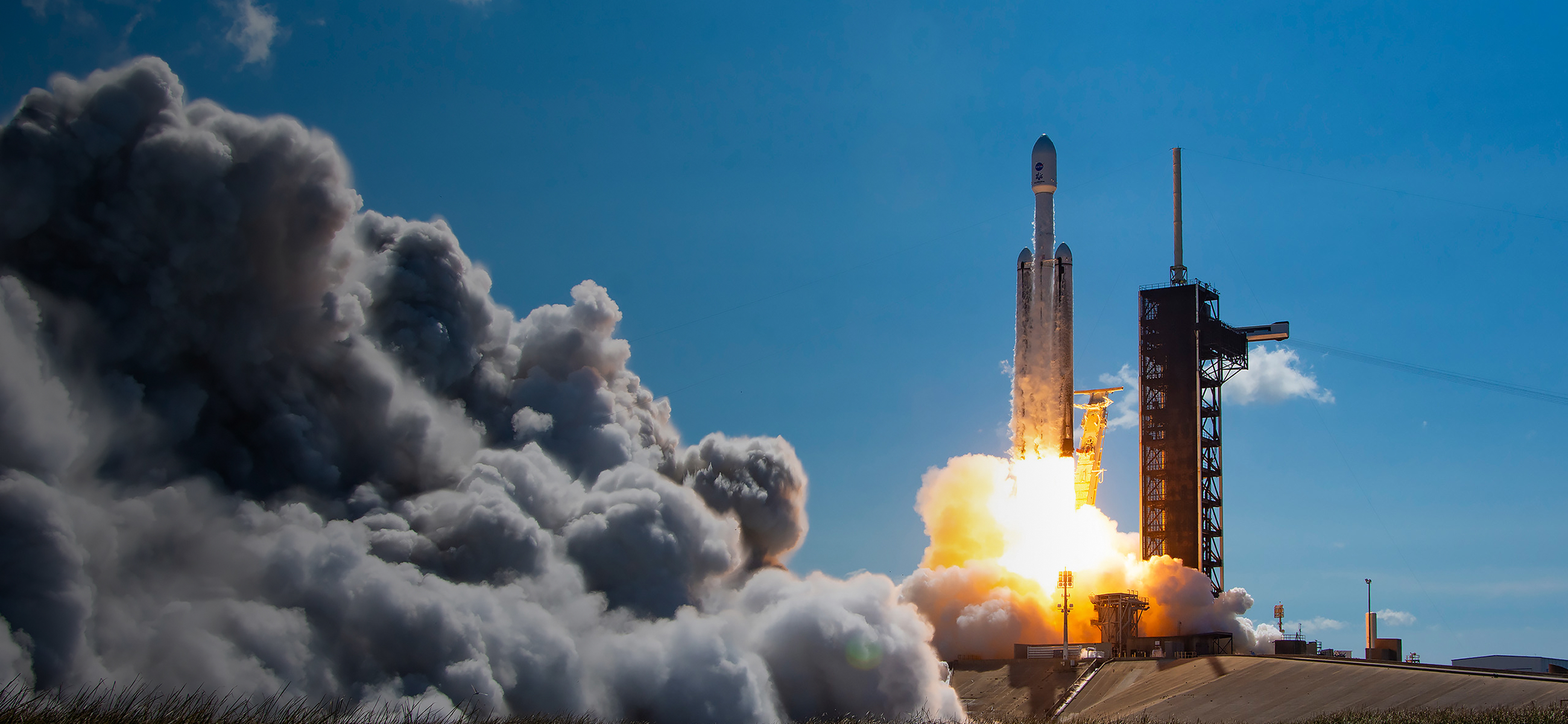
Launch cadence is the pressure point from here. United Launch Alliance carried the latest batch from Cape Canaveral, and Amazon said hundreds of additional satellites were already flight-ready on the ground. In the same update, Melissa Wuerl said the company had a “clear path” to increase launch and deployment cadence. That still points to a staged network: initial footprint first, wider coverage and capacity after more missions fly.
Why Starlink is the benchmark
SpaceX’s Starlink already has more than 10,000 satellites in orbit and a large operating lead. GeekWire reported that Starlink has about 12 million subscribers, a scale advantage Kuiper will not erase quickly. Amazon’s near-term task is not to match Starlink satellite for satellite. It has to prove there is room for a second large low-Earth-orbit broadband operator with enough reliability and pricing power to matter.
For telecom buyers, the contest goes well beyond consumer dishes on isolated homes. Satellite broadband is now part of the infrastructure mix for ships, remote worksites, emergency response, field crews and backup links when terrestrial networks fail. A second large network could give carriers, enterprises and governments another option in a market defined mostly by Starlink’s early lead. It could also give large customers more leverage on coverage terms and resilience planning.
Kuiper has little room for another slow stretch. Amazon has spent heavily to build the network and still needs launches to keep moving if initial service is to become a durable business. Each mission now carries commercial weight. Added satellites determine how quickly Amazon can widen coverage, add capacity and support the performance needed for long contracts rather than short pilots.
Amazon did not announce customer pricing, terminal availability or country-by-country timing in the latest update, and it did not present the milestone as an Australia launch notice. The news is service readiness, not immediate local availability. For Australian readers, the clearer signal is competitive: another global low-Earth-orbit operator is moving closer to market, with possible implications for remote connectivity and network resilience if Amazon expands into the region.
The next test is practical. Amazon has enough satellites in orbit to be judged less as a capital-intensive space programme and more as a broadband operator. Service quality, customer uptake, terminal economics and launch tempo will decide whether Kuiper becomes a real Starlink challenger.

Hamish Doolan
Telco reporter covering Telstra, Optus, TPG, NBN, and the spectrum. Reports from Brisbane.