Australian startups warn CGT overhaul could blunt R&D tax incentive boost
Australian startup founders and tax advisers say proposed cuts to the 50 per cent capital gains tax discount risk undercutting an expected lift to the R&D Tax Incentive cap, days before Treasurer Jim Chalmers hands down the 12 May 2026 federal budget.

Australian startup founders and their tax advisers have warned that proposed cuts to the 50 per cent capital gains tax discount could blunt an expected lift to the R&D Tax Incentive cap. Treasurer Jim Chalmers hands down the federal budget on 12 May 2026.
The government is tipped to raise the cap on eligible R&D expenses to between $A250 million and $A300 million, up from $A150 million, according to reporting by SmartCompany. The change widens the pool of in-house R&D that qualifies for the headline non-refundable offset. Atlassian, Cochlear, CSL and ResMed are the obvious beneficiaries.
Atlassian on its own reported $A220 million in eligible R&D expenditure in 2022-23, on ATO data cited by SmartCompany. Anything above $A150 million presently picks up the corporate tax rate offset only, with no bonus increment.
The reported lift falls short of what the Robyn Denholm-led Ambitious Australia review recommended. That review called for the cap to be scrapped. It concluded that "Australia's innovation system is falling behind global peers, with business expenditure on R&D declining over the past 10 years".
The CGT problem
The expected R&D move sits next to a more contentious change: reform of the 50 per cent CGT discount on assets held more than 12 months. Treasury puts the discount at about $A22 billion in foregone revenue in 2025-26. Pre-budget reporting flags an inflation-indexed replacement. Assets bought before budget day would be grandfathered.
For founders and early hires, the 50 per cent discount carries most of the weight in equity-based compensation. Salaries are below market. Options vest over years. Payoff, if it comes, lands when a company sells or lists. Replace the flat discount with an inflation index, and the effective tax rate on those long-dated gains rises, especially when inflation is low.
Founders interviewed by SmartCompany said the trade-off cuts against the government's stated innovation agenda. The publication summarised the sector's view as a concern that "changes to CGT could make Australia less attractive for exactly the kind of risk-taking the government says it wants to encourage".
Who actually benefits
The R&D Tax Incentive splits eligible firms into two cohorts. Companies with aggregated turnover under $A20 million claim a refundable 43.5 per cent offset, which is paid as cash to loss-making startups that have no tax liability to offset. Larger firms claim a non-refundable offset at the corporate rate, plus a premium that scales with R&D intensity and is capped at the $A150 million expenditure ceiling.
Most early-stage startups sit in the refundable cohort. They see no direct change from a higher cap. The lift only changes the maths for companies spending above $A150 million on Australian R&D, a group of perhaps a dozen names. CGT reform, by contrast, hits the entire founder and early-employee equity stack regardless of company size.
That asymmetry is the source of the sector's complaint. One measure helps a small group of late-stage scale-ups and listed locals (Atlassian, Fortescue, Cochlear, CSL, ResMed). The other reaches every founder, employee and angel investor holding vested equity in an Australian private company. Industry advisers also point to retention pressure from US private-company compensation packages, where deferred-tax structures already outperform what an Australian indexation system would offer.
Other measures in the mix
The 12 May budget is also expected to make permanent the $A20,000 instant asset write-off for small businesses, after extensions on a year-by-year basis since 2020. Reporting flags an earned income offset for workers of around $A200, and a 30 per cent minimum tax rate on trust distributions targeting income-splitting structures used by some professional services and family-owned firms.
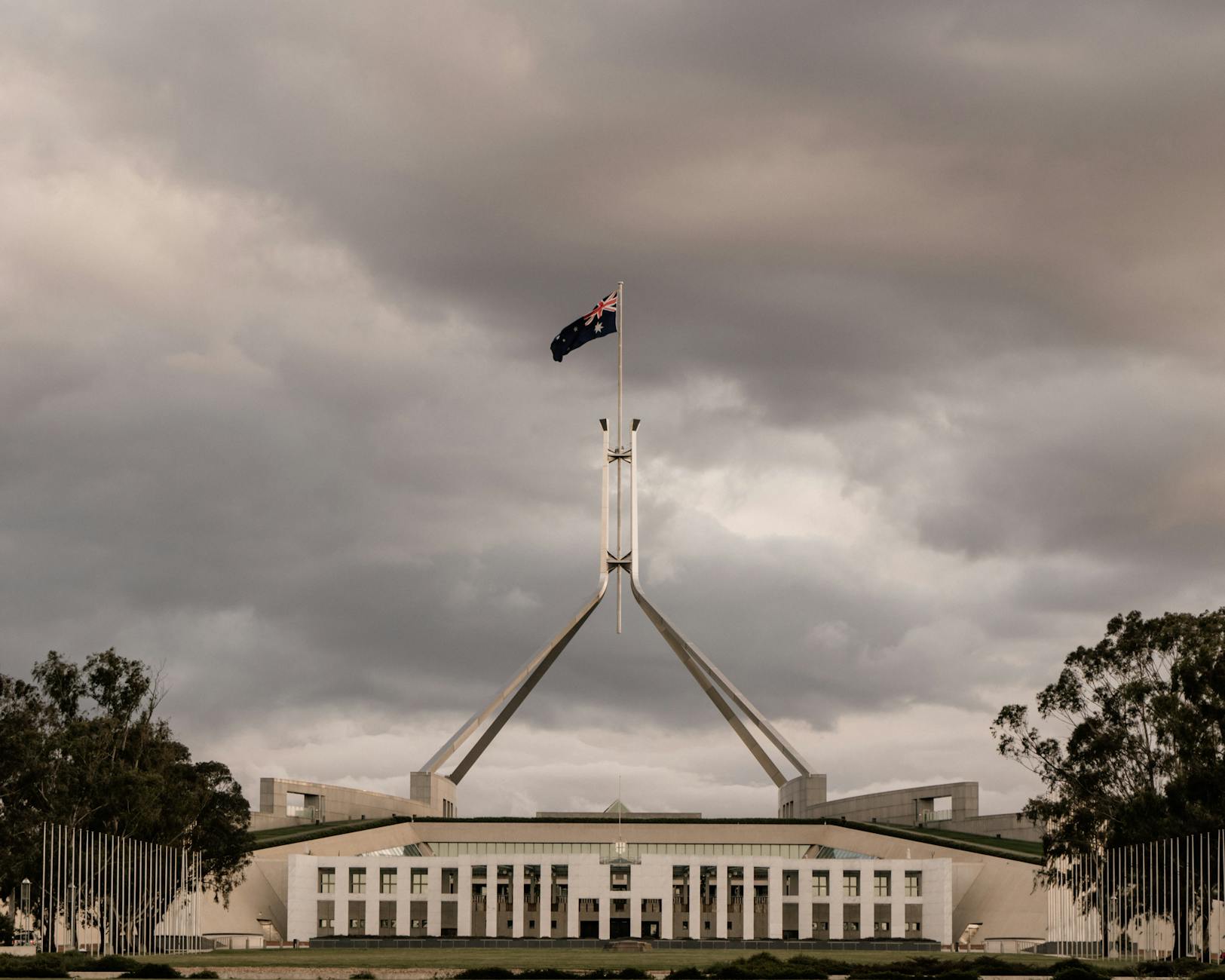
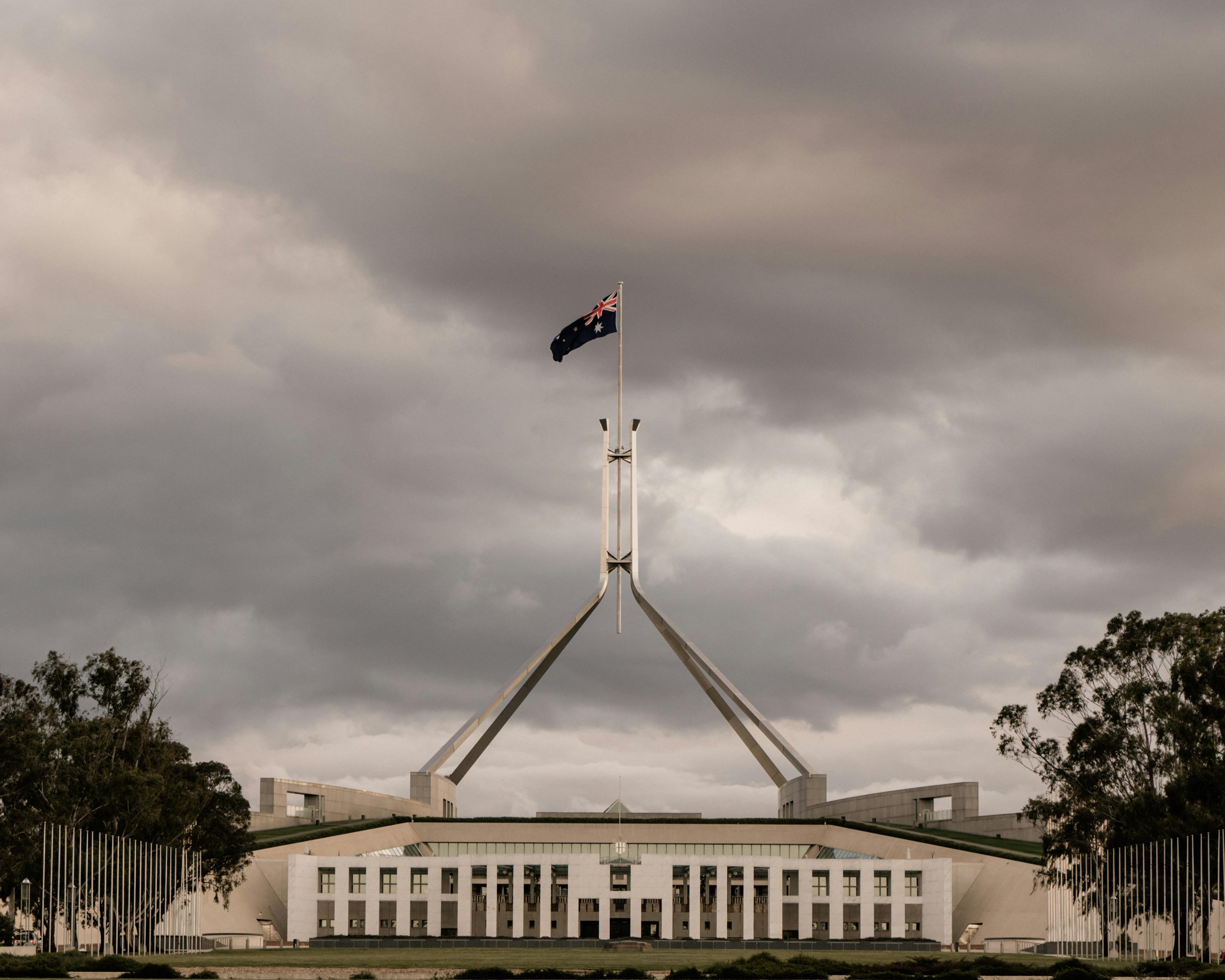
Speaking at Parliament House on 5 May, Chalmers gave no detail on the CGT or R&D measures. He pointed instead to previously announced personal income tax cuts. "We've already got tax cuts coming," the Treasurer said, in remarks reported by SmartCompany.
What to watch on budget night
Whether the package lands as a net positive for the startup sector hinges on a few specifics. The new R&D cap could settle closer to $A250 million or to $A300 million. The CGT change could be a true inflation-indexed model, or a softer trim to the 50 per cent discount. And existing Employee Share Scheme assets may or may not get grandfathering protections similar to those flagged for property and listed equities.
Chalmers delivers the budget speech in the House of Representatives on the evening of 12 May. The Albanese government, which has framed productivity and innovation as a centrepiece of its second-term economic agenda, has not commented on speculation about the specifics of either the CGT or R&D changes ahead of the lock-up.

Marnie Blackwood
Regulation reporter on Privacy Act reform, eSafety, ACCC tech enforcement, and ACMA. Reports from Canberra.