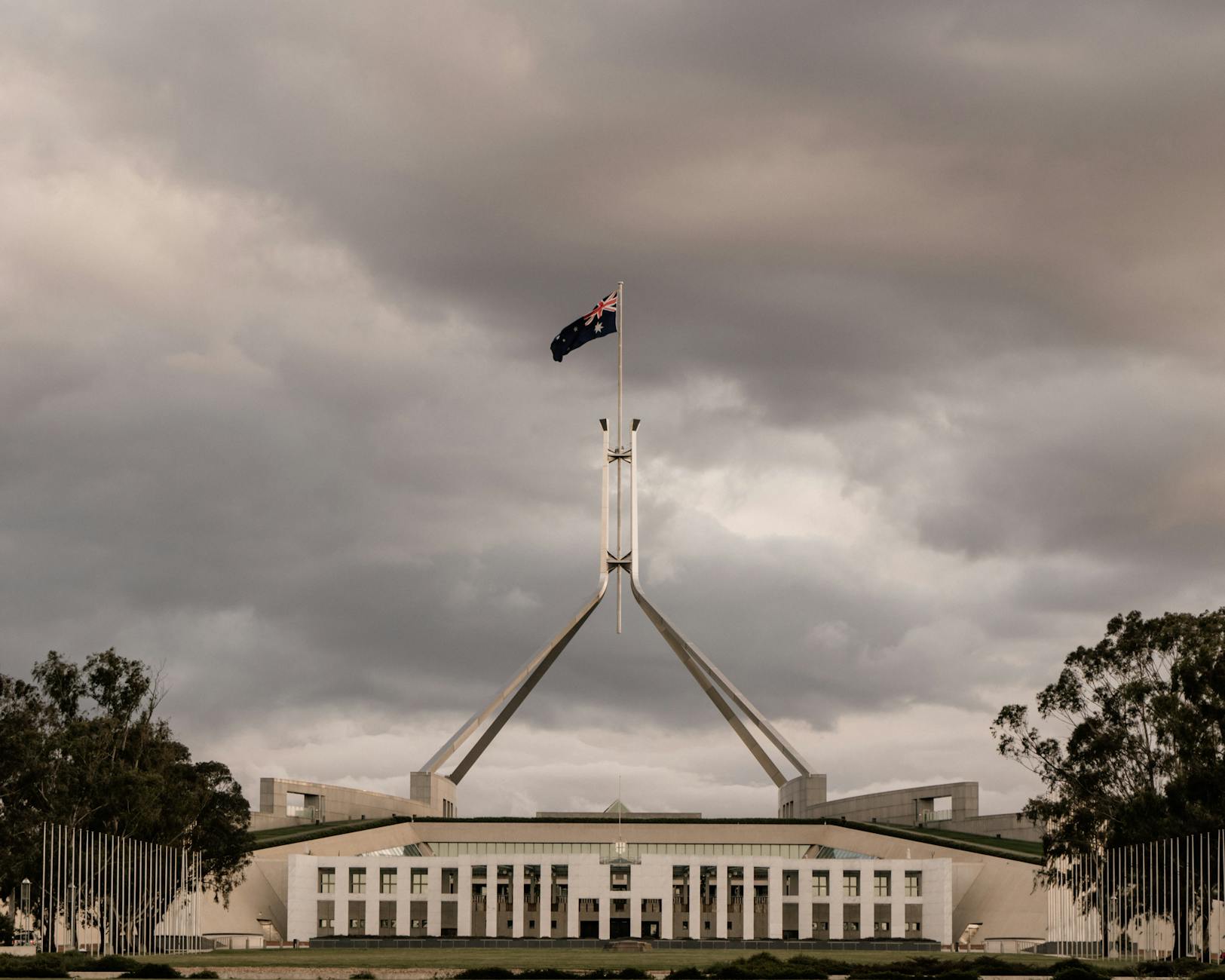
Startup CGT carve-outs: Labor moves to policy design
Startup CGT carve-outs are now Labor's consultation problem, with founders watching whether Canberra offers real relief or just narrows the backlash.
Labor is refusing to pause its capital gains tax changes even as it consults on limited startup carve-outs, opening a new phase in the fight over how Canberra treats startup risk-taking. For founders and early employees who spent the past week arguing the reform would make equity-heavy risk harder to justify, the question is no longer whether Labor heard the backlash. It is whether the government can turn that backlash into a concession that works in practice rather than a gesture that narrows the political damage.
Reporting from ABC News and The Guardian earlier in the week suggests ministers now see some form of relief for startups as more likely than a full retreat from the package. That shift moves the story from protest to design. The live questions are who counts as a startup, which gains qualify for relief, and whether any carve-out is broad enough to preserve incentives without reopening the whole capital gains debate.
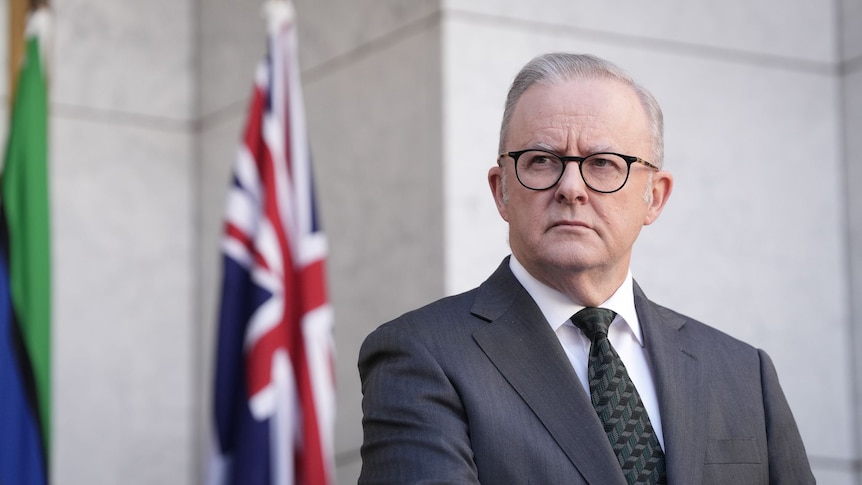
For Labor, the starting point is different. The government is trying to protect the broader package, which also wraps in housing and tax-relief politics, while keeping the startup revolt from becoming the excuse for a broader rewrite. Prime Minister Anthony Albanese made that case in ABC News:
The main objective is to not lock out this and future generations of Australians from ever getting a roof over their head
— Anthony Albanese, ABC News
Small Business Minister Anne Aly has been more conciliatory in tone. In comments reported by SmartCompany, she left the door open to talks with small-business representatives without promising a change in the underlying architecture.
We’ll consult with the representatives of small business, and we’ll go from there
— Anne Aly, SmartCompany
On the surface that sounds modest, but it matters. Ministers talking about consultation, thresholds and limited fixes are signalling that they want to keep the package intact, not reopen it. That is why the startup fight has moved from headline politics to drafting politics.
The budget cost is not the hard part
On budget maths, this fight may not be won or lost. The Australian Financial Review reported that the broader capital gains tax and negative-gearing package is forecast to raise $3.6 billion over four years, while separate AFR analysis said excluding startups would make only a negligible dent in the longer-term $40 billion revenue line. On that reading, precedent matters more than budget repair. Carve one high-growth cohort out of a tax change sold as system-wide reform and every other affected group can argue that its case is just as special.

In SmartCompany’s analysis, Richard Holden called the measure a “productivity tax”, a phrase meant to capture the fear that firms taking outsized risks get punished precisely when they succeed. Labor does not need to accept that framing for it to matter. To founders, early employees and investors, startup tax settings operate as signals as much as revenue measures. They show whether the state sees uneven, equity-led wealth creation as something to encourage, tolerate or shave back.
Startup founders and advocates have not softened their view just because consultation has started. Founders who took their campaign directly to Albanese and groups that warned of a hit to startup incentives were not mainly arguing over the Commonwealth’s aggregate revenue target. Their case was about the mechanics of startup pay and reward: years of low cash compensation, uncertain exits and upside that often arrives, if it arrives at all, in a single taxable event. A carve-out that is too narrow could calm the politics while leaving that arithmetic untouched.
Business groups are still pushing for something more sweeping. As ABC News reported, Australian Chamber of Commerce and Industry chief executive Andrew McKellar argued that partial concessions do not deal with the broader problem.
What is needed is a complete reset.
— Andrew McKellar, ABC News
Even so, Labor’s willingness to consider startup-specific relief suggests the centre of gravity has moved. Earlier coverage, including The Guardian’s reporting on expected concessions, focused on whether ministers would blink at all. Now the more useful question is which startup constituency the government thinks it needs to protect: venture-backed technology firms, small businesses with growth plans, or a much narrower founder class that is politically visible but fiscally cheap.
Definitions and Senate math will decide whether relief is real
The slogan is easier than the drafting. As SmartCompany has reported, Australia’s existing small-business capital gains tax concessions already depend on thresholds such as a $6 million net-asset cap and $2 million in aggregated turnover. Those rules show why startup relief keeps collapsing into drafting questions. Venture-backed software companies can stay loss-making for years, grow headcount quickly and use equity as a substitute for cash. They do not fit neatly into tax settings built for more conventional small-business structures.

Employees face the same tension as founders. Early-stage firms often use options and deferred upside because they cannot match big-company salaries. If a concession only works at the point of a founder exit, or only for firms that sit below legacy small-business thresholds, the government may still miss the part of the startup model the sector says it is trying to preserve. In other words, consultation is not a detail. It is the policy.
Parliamentary maths make the debate even narrower. ABC News and the AFR’s political reporting both frame the bill as part of a broader tax package whose Senate path runs through the Greens and a tightly managed vote on linked measures. That structure makes the carve-out debate harder to unpick. Ministers can promise engagement with founders while still telling the parliament that the main bill has to move as a whole. In practice, that means the startup concession can serve two functions at once: a genuine attempt to reduce damage to founder incentives, and a way of postponing the hardest design choices until the core legislation is harder to stop.
For Labor, that parliamentary structure makes even a cheap carve-out politically expensive. A concession that barely changes the budget bottom line may still change the story Labor tells about fairness, housing and tax reform. The government wants to show that it is listening to a sector that matters to future productivity without handing opponents a ready-made argument that the reform falls apart as soon as organised constituencies push back. That balance is delicate, which is why the language so far has been about “reasonable” discussions, not a published exemption model.
For founders and employees, the follow-up is concrete. The first chapter of the CGT saga was backlash. The next chapter is whether Canberra can define a startup carve-out that covers the way high-growth companies actually compensate risk, survives Senate bargaining and does not get narrowed into symbolism. The revenue forecasts suggest Labor has room to be specific. Politically, specificity is exactly what it would prefer to avoid.

Jules Hartman
Startup reporter tracking the Sydney–Melbourne ecosystem, raises, and exits. Reports from Surry Hills.