Chalmers revives loss carry-back for startups in 2026 budget
The 2026 federal budget revives the loss carry-back tax offset and introduces a new refundability measure for early-stage startups, a dual package Treasury says will reach 85,000 businesses.
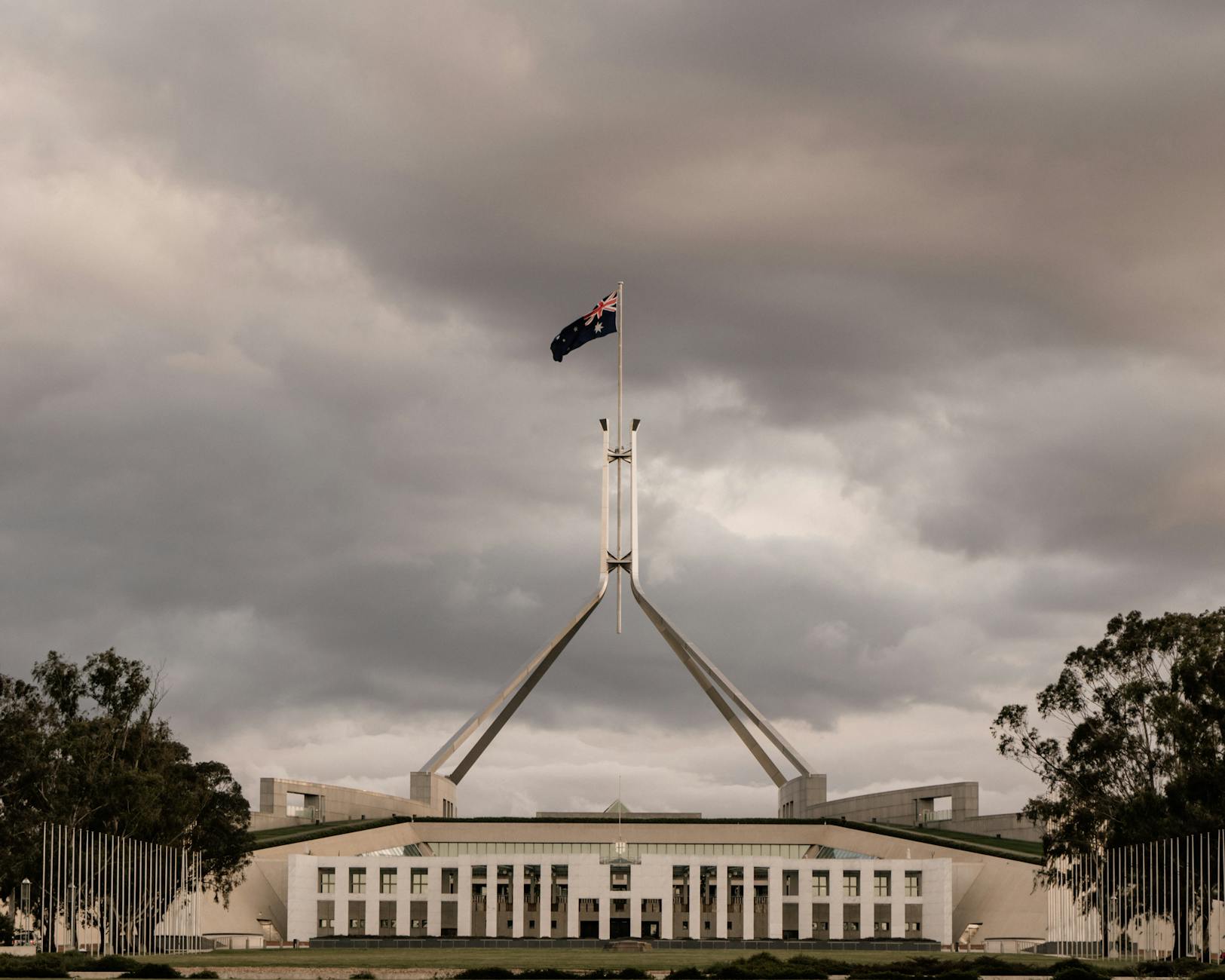
Treasurer Jim Chalmers handed down a federal budget on Tuesday that revives the loss carry-back tax offset and introduces a standalone loss refundability measure for early-stage startups — a dual package the government expects will reach an estimated 85,000 companies.
The carry-back scheme, which lapsed after operating as a temporary pandemic-era measure, lets businesses with aggregated annual turnover under $1 billion offset current-year tax losses against prior-year profits and claim a refund on tax already paid. Treasury costed the carry-back at $2.3 billion over five years from 2025-26, according to Startup Daily.
“This is about tax relief and tax reform to make our economy work for more Australians, businesses and future generations,” Chalmers said in his budget speech, as reported by 9News.
The budget papers specify that the carry-back applies to revenue losses only and remains capped by a company’s franking account balance, SmartCompany reported. Firms cannot claim refunds against capital losses or franking credits they never generated. “You don’t get a refund of tax you haven’t paid, and you don’t get a refund on losses you haven’t earned in the ordinary course of business,” a Treasury official told journalists during the budget lock-up, according to SmartCompany.
A second measure — loss refundability for companies with turnover below $10 million — goes further than the carry-back. It lets early-stage firms claim a refund on current-year losses without needing a prior-year profit to offset against. For a startup that has never turned a profit, this creates a refund pathway that did not previously exist in Australia’s tax system.
Startup advocates have long argued that Australia’s tax settings penalise innovation-heavy firms, which typically run years of operating losses before reaching profitability and have no prior tax payments to draw against. Britain has offered a similar SME tax loss credit since 2013, and Canada’s scientific research and experimental development program provides refundable credits to pre-revenue firms. The Australian refundability measure narrows that gap.
Eligibility for both measures is tied to the turnover caps. Companies with annual turnover above the respective thresholds do not qualify.
The carry-back enters the tax code as a permanent feature, ending the cycle of expiry and renewal that plagued the pandemic-era version. Refundability for startups applies from the 2025-26 income year. No separate cost estimate has been published for the startup component alone. Treasury folded it into the combined $2.3 billion carry-back figure.
Australian Investment Council chief executive Navleen Prasad said the measures would “improve the risk-reward calculus for early-stage investors at a time when capital is expensive.” The council has previously called for loss carry-back to be made permanent and for the turnover cap to be lifted above $1 billion, arguing that mid-sized firms are still left out of the refundability window.
Both measures land as Australian venture capital deal volume contracts for a sixth consecutive quarter, according to Cut Through Venture data. Seed-stage raises fell 23 per cent year-on-year in the March quarter, and total capital deployed across all stages dropped to $1.8 billion — the lowest quarterly figure since mid-2020. For founders facing extended runways with limited capital, the tax refund on operating losses provides additional runway.

Jules Hartman
Startup reporter tracking the Sydney–Melbourne ecosystem, raises, and exits. Reports from Surry Hills.