Alphabet $US80bn raise shows AI compute costs rising
Alphabet $US80bn raise will fund AI infrastructure as Berkshire Hathaway commits $US10bn and capex guidance climbs to $US180bn-$US190bn.
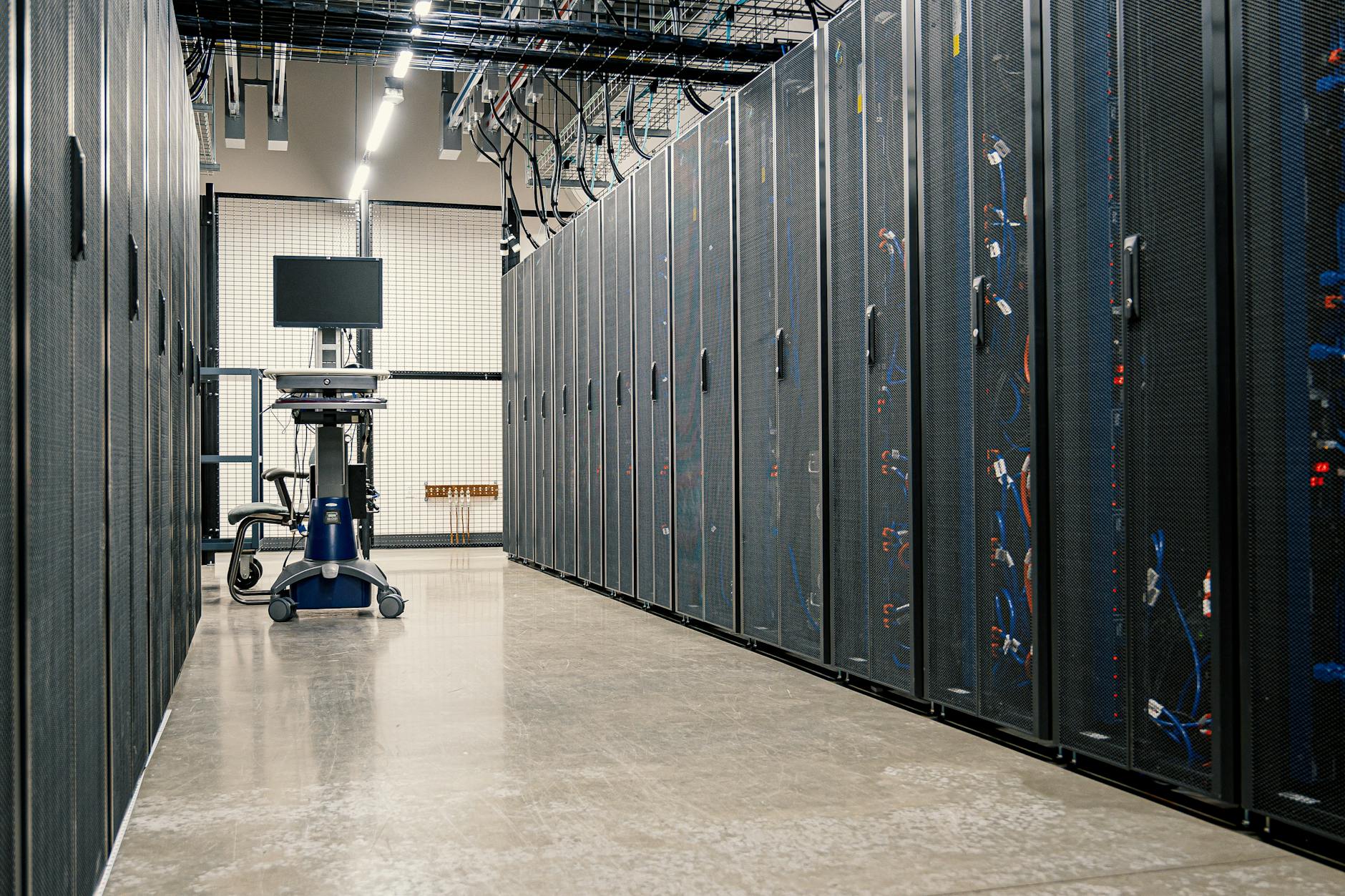
Alphabet said it would raise $US80 billion (about $123 billion) in equity to expand AI infrastructure and compute, putting a hard financing number on the cost of frontier AI. The Google parent said on 1 June that the proceeds would fund data centres, networking and specialised compute for AI products.
The unusual part is the funding source. Alphabet has the earnings base to pay for much of its cloud and AI build-out from operations, but it is still turning to equity markets and Berkshire Hathaway as demand for model training and inference runs ahead of available capacity. For investors, that makes the deal a test of how much dilution they will tolerate for faster compute supply.
Alphabet said the proceeds were for AI compute infrastructure to meet customer demand it described as unprecedented.
The transaction includes a $US10 billion (about $15 billion) private placement to Berkshire Hathaway, $US30 billion in concurrent underwritten offerings and a $US40 billion at-the-market programme. Alphabet also lifted its 2026 capital expenditure forecast to $US180 billion-$US190 billion (about $277 billion-$292 billion), according to CNBC’s summary of the offering structure.
The structure gives Alphabet several ways to sell shares. Berkshire supplies an anchor investor with long-term credibility, while the underwritten and at-the-market components let Alphabet raise the balance over time rather than absorb the whole sale in one block. Reuters reported that Glenview Trust Company portfolio manager Bill Stone read Berkshire’s role as a vote of confidence in Alphabet’s expected AI returns.
Stone said the purchase suggested Greg Abel believed Alphabet could earn a reasonable return on its AI capital spending, even after issuing more shares.
Why the raise matters for AI infrastructure
The statement puts a number on a constraint that has been visible across the AI sector for more than a year. The bottleneck is not only model quality; it is the physical capacity to train, serve and cool those models. Data centres need land, power, chips, optical networking and long-lead construction work. That work does not scale at software margins.
For Australian enterprise buyers, the effect is indirect for now. Google Cloud already sells AI tools into local companies, and capacity decisions made by its US parent shape how quickly new models, regional hosting options and enterprise AI features can be pushed into markets including Australia. Microsoft, Amazon and Meta face similar economics as they spend heavily on data centres and accelerators.
The Financial Times framed the sale as a sign that AI infrastructure is moving from an operating-budget issue to a capital-markets story, as hyperscalers try to keep pace with demand without relying only on cash flow. Alphabet’s raise points to the same shift: frontier AI is becoming expensive enough that balance-sheet strength is only one part of the funding question.
Shareholders still have to accept dilution in exchange for faster compute build-out. Alphabet is betting that extra AI capacity will feed cloud revenue, consumer products and advertising tools that justify the issue. Management’s decision to go outside the balance sheet suggests it does not want to wait for internal cash generation alone.

Asha Iyer
AI editor covering the model wars, AU enterprise adoption, and the policy shaping both. Reports from Sydney.