UK-Australia AI security pact deepens model-safety ties
The UK-Australia AI security pact links the two countries' safety institutes to share frontier-model tests, cyber-risk findings and research.

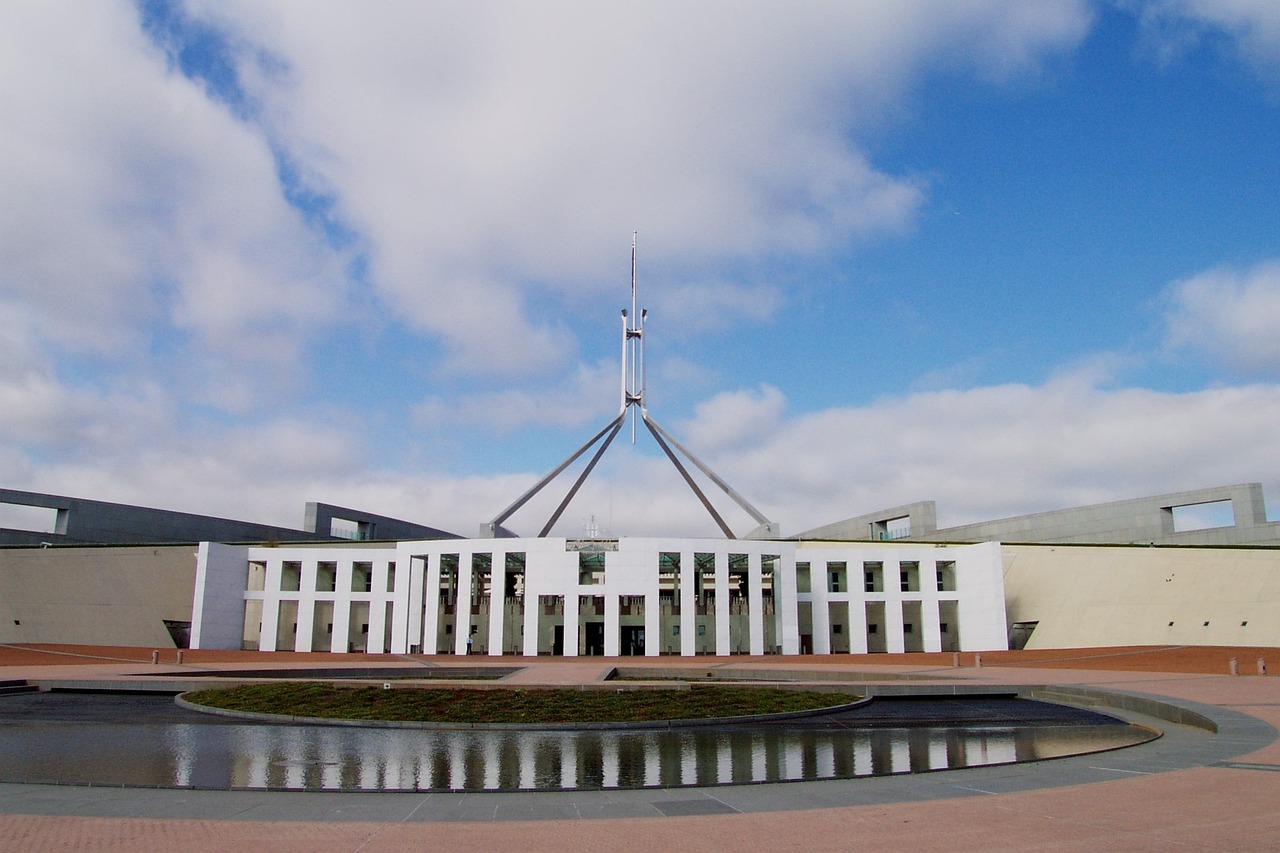
Australia and the United Kingdom have signed a new AI security memorandum of understanding linking their safety institutes on frontier-model research, evaluation methods and cyber-risk intelligence. Announced after ministers met in Canberra on 25 May 2026, the pact pushes a part of AI policy that has often lived in lab statements and summit communiques deeper into day-to-day government work.
The overview published by Australia’s Department of Industry, Science and Resources says the memorandum covers joint research, information-sharing on AI safety and security, and collaboration on evaluation methods for advanced models. It is narrower than a trade or defence deal, but more specific than the broad calls for responsible AI that have dominated many international forums. For Canberra, it gives the country’s new institute a formal link to a government peer already testing models.
In a UK government statement on the pact, UK AI Minister Kanishka Narayan said frontier systems were changing quickly and governments needed to compare evidence, not just policy language. For Australia, that matters because institute-to-institute cooperation is more operational than the loose declarations that have framed much of the global AI debate since late 2023.
“No country can tackle that alone.”
— Kanishka Narayan, UK AI Minister
Neither side announced a new law or funding package on Sunday. The practical value for Australia lies in what officials can share: test methods, risk signals and a faster read on how frontier systems behave in controlled evaluations. That matches Canberra’s description of its own institute since its launch earlier this month: a technical capability inside government, not a symbolic advisory body.
When Tim Ayres announced the Australian AI Safety Institute, he said it would be the government’s hub of AI safety expertise. In the same release, Assistant Minister for Science, Technology and the Digital Economy Dr Andrew Charlton said the body would help spot emerging risks before they became harder policy problems.
“The Institute will help identify future risks, enabling the government to respond to ensure fit-for-purpose protections for Australians.”
— Dr Andrew Charlton, Assistant Minister for Science, Technology and the Digital Economy
Why Canberra is formalising the work now
The timing also lines up with a sharper official focus on model-enabled cyber risk. Reuters reported earlier this month that Australia’s eSafety Commissioner had called for urgent cybersecurity action after tests in Britain found Anthropic’s Claude Mythos could complete a simulated corporate network attack in 32 steps. The memorandum does not mention Anthropic or any other vendor, but its emphasis on sharing safety and security findings suggests Canberra wants access to more of that evaluation work as frontier systems become more capable.
The pact also sits inside the international network of AI safety institutes launched in 2024, which now includes 10 countries plus the European Union, according to the UK government. That gives Australia more than a bilateral announcement to point to. It places the Australian institute inside a small group of governments trying to turn model-safety research into repeatable testing, shared standards and quicker warning channels.
AI security work is becoming a government-to-government function in Canberra rather than just a talking point for vendors or summit hosts. The immediate outputs are more likely to be technical exchanges, joint evaluations and shared risk analysis than new consumer rules. Still, the pact gives Australia a clearer place in the frontier-model safety debate as official concern shifts from abstract AI ethics to how powerful systems behave under real-world security pressure.

Marnie Blackwood
Regulation reporter on Privacy Act reform, eSafety, ACCC tech enforcement, and ACMA. Reports from Canberra.