AI chiefs press G7 for global standards as power shifts
AI chiefs used the G7 summit to press for global standards, but the Anthropic shutdown shows governments can choke off model access overnight.
AI executives were given the kind of access normally reserved for heads of state at this week’s G7 summit in France. The scene showed how far frontier model makers have moved: no longer just lobbying from the corridor, they are now in the room where rules are drafted. Those executives, from OpenAI, Google DeepMind and Anthropic, used meetings with leaders to press for common testing standards and a co-ordinated forum for advanced models, according to Axios, Semafor and CNBC.
For Australia, that is the policy story. If the companies building the most capable models are now part of the standards machinery, then AI policy is about more than domestic guardrails. Market access, export controls and trusted-user status are becoming part of the same discussion when a government decides a model is too sensitive to move freely.
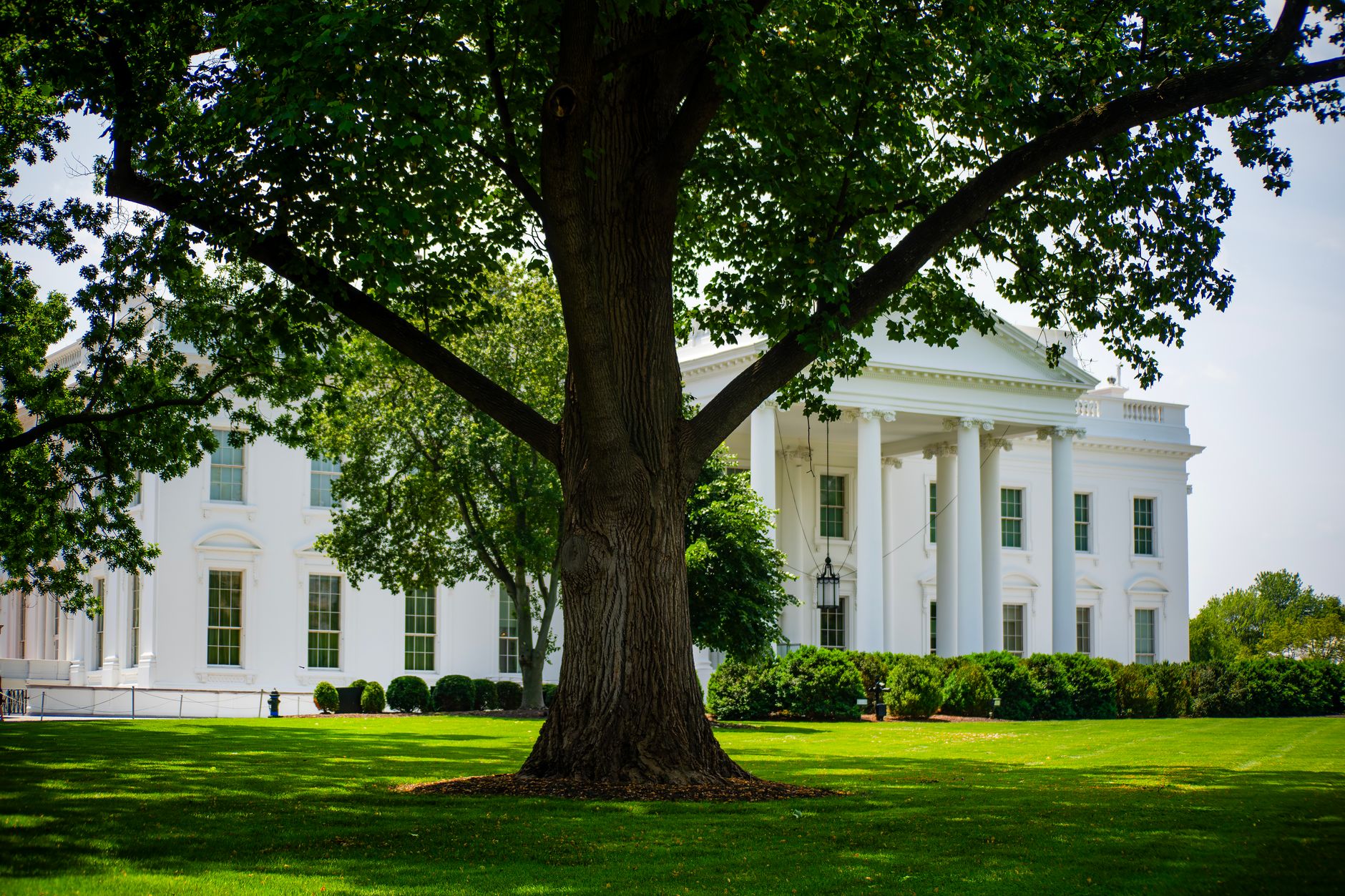
Governments are not inviting the labs in simply because they need technical advice. Sovereign control is the other test. During the same week executives argued for harmonised rules, officials were still dealing with the fallout from Washington’s intervention in Anthropic, which showed that a frontier model can be throttled by policy as quickly as by code. For Canberra, the lesson is awkward: global standards sound stabilising until a foreign capital can still switch off a tool Australian universities, agencies or suppliers rely on.
From lobbying to co-governing
The lab chiefs’ case is practical. Common rules are cheaper than a patchwork of national ones, especially when release cycles move faster than legislation. Shared testing language would also lock in the labs’ existing evaluation systems as the practical baseline for everyone else.

Inside the G7 working sessions, that argument moved from lobbying pitch to standards design. Semafor reported that executives discussed an international forum for advanced-model standards, while CNBC said around a dozen tech leaders were expected at the summit lunch. Symbolism matters because standards work decides who writes the tests, who passes them and whose internal methods become the default language of safety.
"I think we need … a standards body, a U.S.-led standards body"
Demis Hassabis, speaking to Axios
Reasonable enough. Still, it blurs the boundary between compliance and constitution-writing. Companies that control the leading models help design the tests that decide what "safe enough" means. In practice, they are shaping the operating system of policy, not just complying with it.
"No single lab should be making the decisions."
Sam Altman, speaking to Axios
Altman’s line is meant to reassure. It also captures the deeper shift. Frontier labs now expect to share decisions with states before formal rules arrive. France sketched a settlement: governments still reserve coercive power, but the labs want a standing role in defining the terms under which that power is used.
The Anthropic shutdown changed the argument
Regulators answer that harmonisation is useful only if governments can still act quickly when they think risk is rising. That makes the Anthropic fight more important than the summit optics. Anthropic’s dispute showed that export control is becoming a software lever. No data-centre seizure was needed. Instead, Washington could restrict access to a model and impose a compliance deadline measured in minutes.

The Financial Times reported that Anthropic had 90 minutes to comply with the export-control order, while CNBC said the White House had given itself 60 days to develop review frameworks. The gap matters. One side of the policy debate still speaks in voluntary standards and future process. Hard power is already available to the other side.
"resist the temptation to splinter"
Dario Amodei, speaking to Axios
Amodei’s warning is sound, but the market is already splintering. The Financial Times found Anthropic used risk and regulation language 336 times in 2026 communications, against 30 for OpenAI. Such posture can buy influence in a safety debate up to the point it invites harder state intervention. After governments start treating frontier models as strategic assets, even the lab most associated with guardrails can become the test case.
Researchers and cyber defenders have their own objection. As Science and TechCrunch have reported, opaque restrictions can make it harder for independent evaluators to tell whether a model failed on its merits or because access rules changed underneath it. Security work is affected too. From a summit communique, a standards regime can look orderly; from a lab bench or an incident-response team, the same regime can look arbitrary.
Australia’s problem is access, not just alignment
For Australia, the practical question is not whether global AI standards are desirable. The issue is whether Australia will have influence over them, or merely inherit them. The Financial Times reported that the US and Europe have discussed a trusted-partner approach to frontier model access. Locally, The Conversation AU made the consequence plain: if software-level AI export controls can be imposed overnight, Australian institutions depending on US-hosted models sit downstream of another country’s security judgments.
An overnight Washington block would cause interruption, not abstraction. Universities lose research tools. Agencies lose access to embedded model services bought through third parties. Businesses rework workflows around whichever provider still has clearance. The Australian Financial Review described fears of an "AI Strait of Hormuz": not because Australia is cut off today, but because the chokepoint has become visible.
Canberra does not need to build a frontier lab tomorrow to respond. It does need clearer policy on sovereign compute, procurement diversity, evaluation capacity and the conditions under which Australia would join, or resist, a trusted-partner scheme. AI access should not be treated as a pure competition issue. At frontier scale, access is becoming a foreign-policy instrument.
The G7 scene mattered because it stripped away the fiction that AI governance will be written first by neutral standards bodies and only later felt by markets. Model builders are already in the room, and governments have already shown they can close the door. Canberra’s question is what bargaining power it will have when those rules decide who gets to use the next model, on what terms, and with how much notice.

Marnie Blackwood
Regulation reporter on Privacy Act reform, eSafety, ACCC tech enforcement, and ACMA. Reports from Canberra.