AUKUS underwater drones open lane for Australian start-ups
AUKUS plans to deliver underwater drones from 2027, and recent Defence contracts show where Australian companies in navigation, sensing and cable-protection tools could fit.
AUKUS partners have agreed to develop underwater drones for delivery from 2027, giving Australian start-ups in subsea navigation, sensing and autonomy a clearer read on where defence procurement may move next. Defence minister Richard Marles said the project would put the capability into service next year, and Reuters reported the effort sits inside a wider push to speed up AUKUS technology delivery.
That timing is notable in Australia because Canberra had already started funding part of the enabling stack. In a 15 May Defence release, the government said it had awarded Phasor Innovation Pty Ltd, Nomad Atomics Pty Ltd and Q-CTRL Pty Ltd a combined $7.2 million to develop undersea-navigation technology. Defence did not say those contracts feed directly into the new AUKUS vehicle programme. Even so, the work lines up with the same problem set: navigation, sensors and autonomy for systems operating underwater without GPS.
“This is all three countries putting real money behind a capability we will put into the hands of the war fighter next year”
— Richard Marles, ABC News
For local founders, that makes the 30 May announcement easier to treat as a procurement cue. AUKUS has usually been discussed through submarines and alliance deadlines. An unmanned undersea programme with a 2027 delivery date suggests shorter development cycles and more room for specialist suppliers. British defence secretary John Healey told the BBC that “for too long in Aukus, we talked too much and delivered too little”.
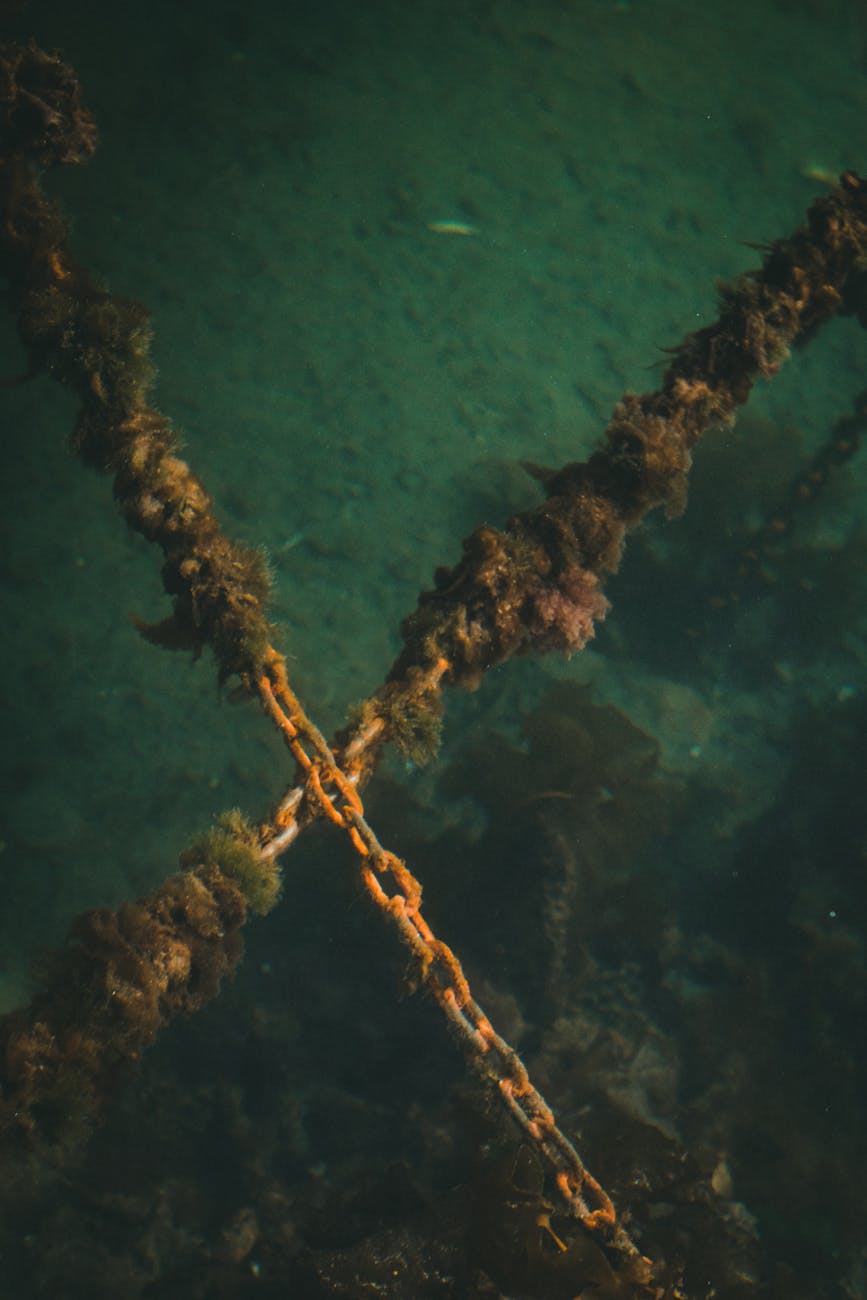
The addressable market is not only military. In The Guardian’s reporting from the Shangri-La Dialogue, Marles said “the seabed is a battlefield” as he tied the programme to protection of critical undersea infrastructure. The report said about 99 per cent of Australia’s internet traffic runs through 15 subsea cables. Companies that can map, monitor or inspect those routes are also selling into a civilian security problem.
The unknowns are still large. The AUKUS announcement set out the capability area and the 2027 timetable, but not the Australian prime contractors or the size of any local order book. What it did provide was sequence: a pact-level commitment on 30 May, after named Australian undersea-navigation awards earlier in the month.
“will rapidly give our forces the very most advanced battlefield technologies”
— John Healey, Reuters
The next question is whether those early contracts remain research work or turn into production programmes around autonomous undersea vehicles, subsea sensing and cable-protection tools. If AUKUS keeps to its 2027 schedule, Australian defence-tech start-ups have a more concrete signal than they had a week ago.

Jules Hartman
Startup reporter tracking the Sydney–Melbourne ecosystem, raises, and exits. Reports from Surry Hills.