Airwallex China staff move highlights US data risk
Airwallex China staff relocations show how US data rules are forcing Australian-founded fintechs to rework China-linked operations.
Airwallex is moving more than 100 staff out of China as the Australian-founded payments company builds a larger United States operation. The Australian reported the relocation had begun amid concern that US authorities could examine China-linked teams while the company pursues American customers.
The move turns a growth plan into a governance test for a fintech founded in Melbourne. Airwallex sells cross-border payments, business accounts and embedded finance tools, which puts it near customer identity, business and transaction data. Staff location now matters alongside licensing, security controls and sales targets.
Airwallex has described the change as an operational shift tied to expansion, rather than evidence of a compliance breach. In a statement carried by FStech, a company spokesperson said:
“employee realignment became part of our growth plan, in line with broader industry practice”
Airwallex spokesperson
The statement keeps the focus on staffing and governance. It also avoids the sharper allegation that China-linked technology operations could provide a backdoor into US data. The Financial Times reported that Airwallex had faced such accusations while pushing further into the US market.
Washington’s position on sensitive data is less forgiving than it was a few years ago. US policy published in the Federal Register set out a framework to restrict countries of concern from accessing Americans’ bulk sensitive personal data and government-related data. For payments companies, that means engineering, support and compliance teams can become part of the risk picture if they can touch sensitive systems.
What changes for Airwallex’s US push
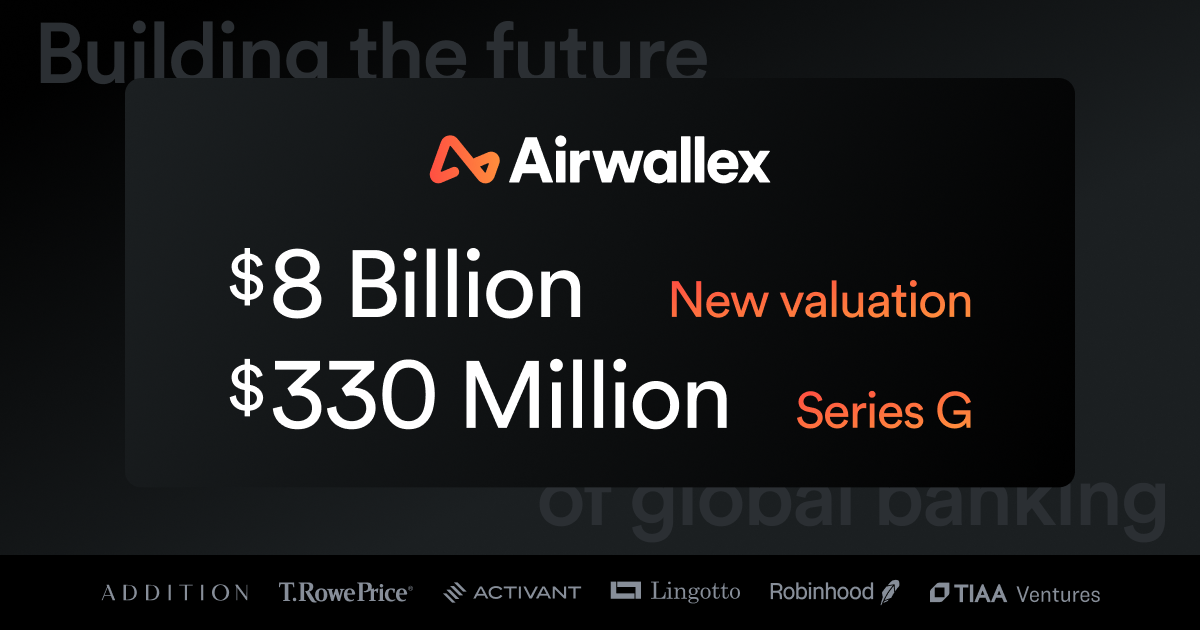
Airwallex has been expanding in the US, not pulling back. The company said in its Series G announcement that it had committed more than $US1 billion (about $1.5 billion) to scaling its US presence and planned to grow US headcount to more than 400 over the following 12 months. Chief executive Jack Zhang tied the expansion to a larger shift in financial infrastructure, saying in the company announcement:
“We believe the future of global banking will be borderless, real-time, and intelligent”
Jack Zhang, Airwallex
That ambition is why the relocation is more than an internal staffing matter. Airwallex’s pitch depends on moving money and data across borders with fewer delays. US rules are pushing in the other direction, asking where data is handled, who can view it and whether a foreign government could compel access.
Investors are still backing the expansion. Axios reported that Airwallex had reached a $US12 billion (about $18.5 billion) valuation and $US1.5 billion (about $2.3 billion) in annualised recurring revenue, with Addition founder Lee Fixel leading the latest funding round. More capital gives Airwallex room to build US teams. It also brings more customers, regulators and competitors ready to test its governance story.
The lesson for Australian-founded fintechs is direct. A US growth strategy now has to cover where sensitive roles sit and how clearly a company can explain data controls to customers, investors and officials. Airwallex’s relocation may prove to be a routine compliance adjustment. It still shows how quickly the geography behind financial software can become part of the product.

Yusra Ahmadi
Fintech reporter on neobanks, payments rails, Stripe AU, and the crypto regs catching up. Reports from Sydney.