Google Telstra AI deal links fibre and subsea cables
Google Telstra AI deal links subsea systems and 8,000km of Telstra fibre as Australia's cloud and data-centre demand rises.
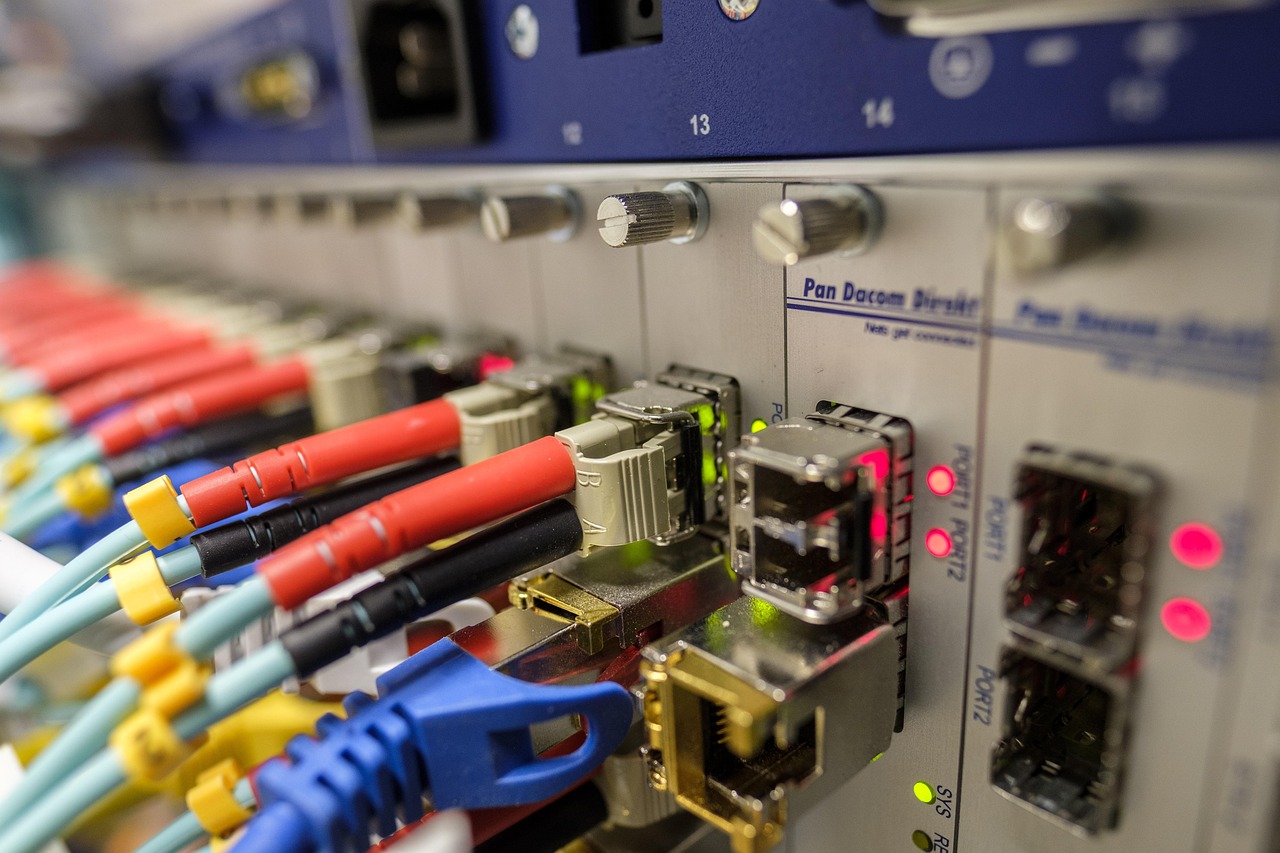
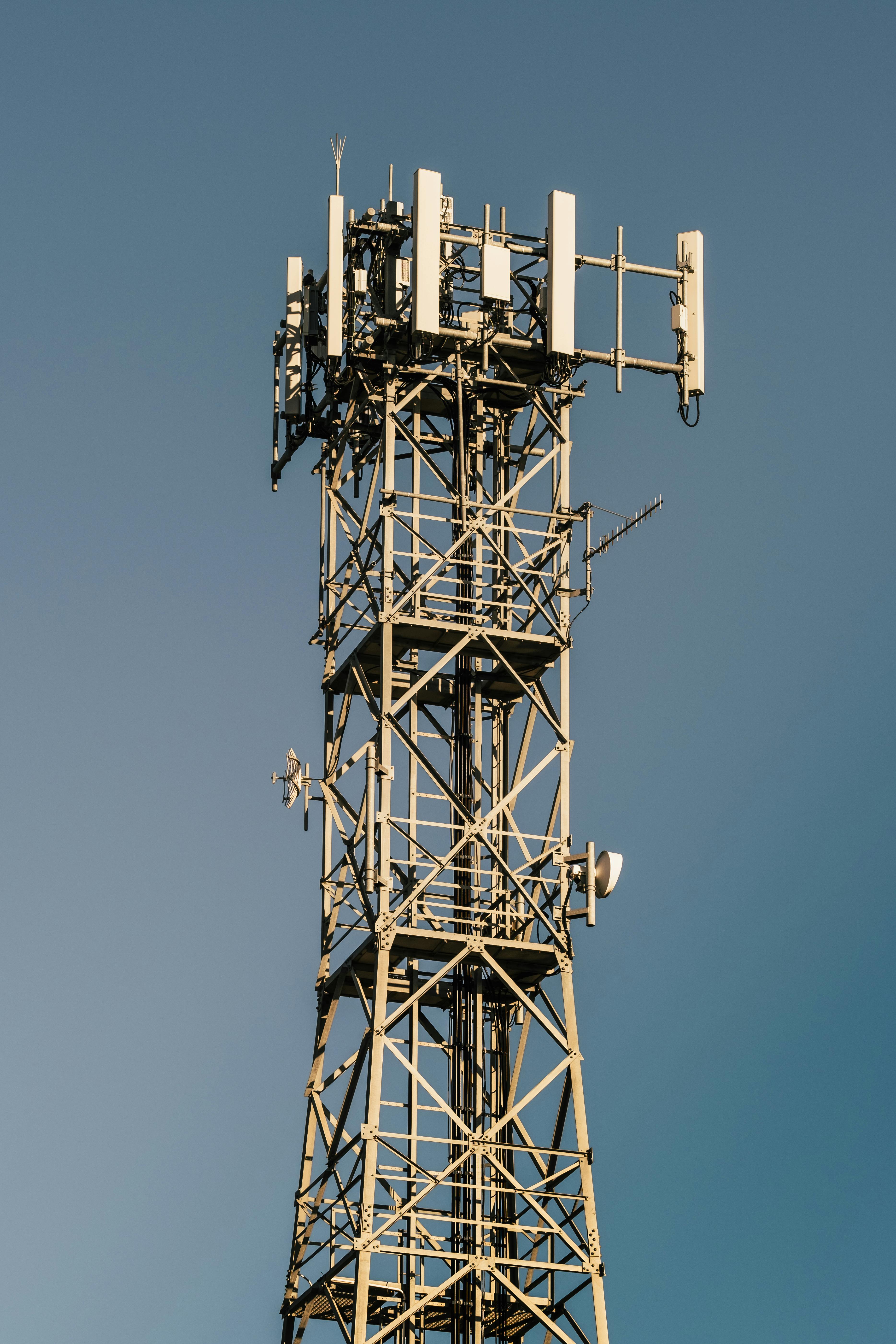
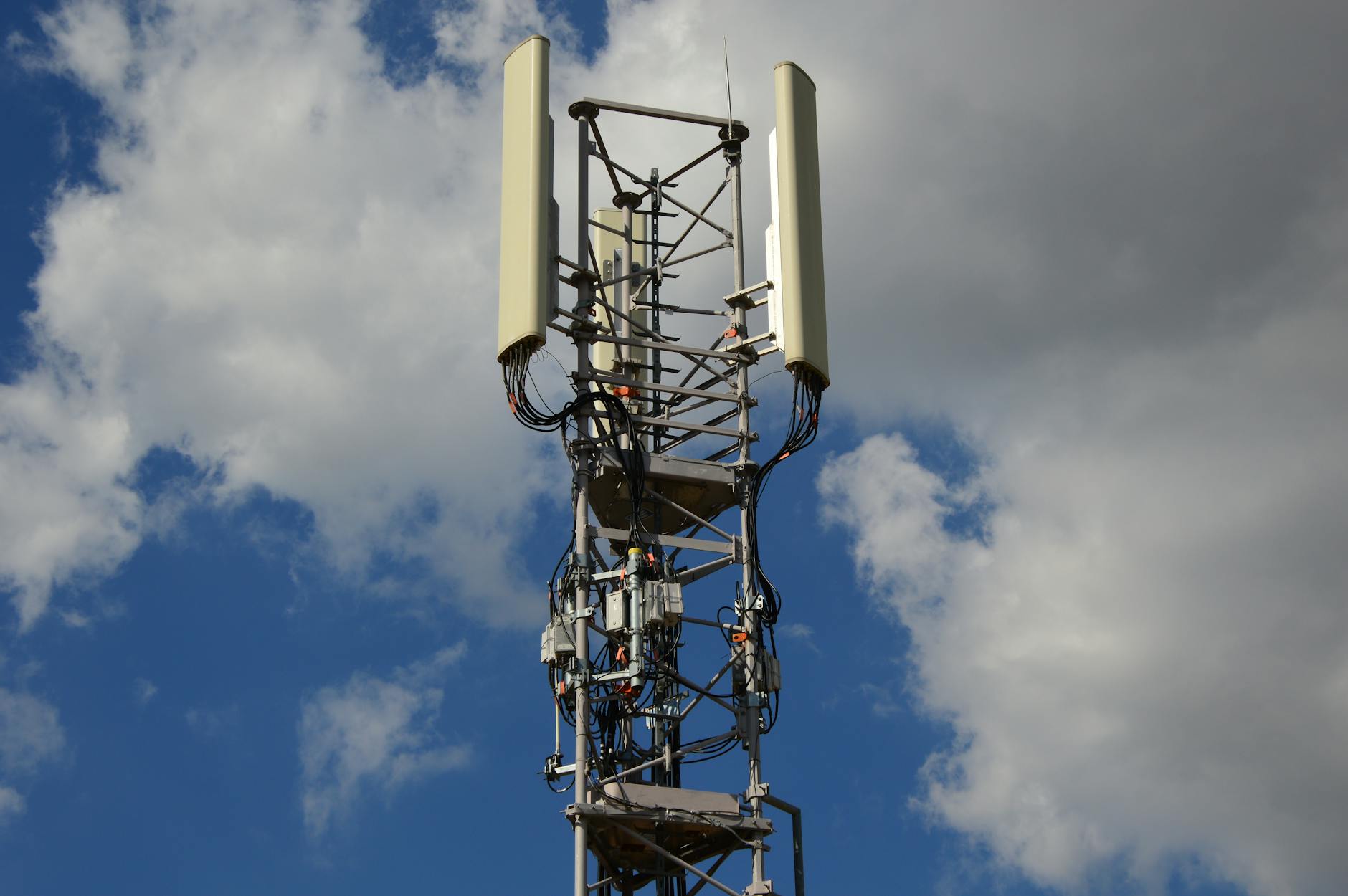
Google and Telstra will connect parts of Telstra’s domestic fibre network with Google’s Pacific subsea cable systems, putting the carrier’s long-haul Australian routes closer to the cloud and AI traffic now stretching data-centre links.
The companies said on 1 June that the partnership would pair Telstra’s Aura inter-city fibre with Google-backed subsea systems including Tabua, Proa and Bulikula. The claim is capacity and resilience: more paths between Australian cities, cloud regions and Pacific landing points as enterprise AI workloads put heavier demands on network interconnects.
Telstra has already deployed about 8,000km of fibre across Australia on Aura, Capacity reported, giving Google a domestic backhaul partner for traffic that starts or lands on its subsea routes. The agreement does not disclose financial terms, capacity commitments or customer pricing. Its importance is in the plumbing. Subsea systems bring traffic into the region; terrestrial fibre moves it across the continent.
“Building digital infrastructure capable of supporting the next wave of AI innovation requires deep collaboration and robust physical networks.”
Bikash Koley, Google
What the deal covers
Google’s announcement places the deal inside Australia Connect, its programme to improve links between Australia, the United States, Asia and Pacific island nations. Tabua is designed to connect the United States, Australia and Fiji. Proa would link Japan, the Northern Mariana Islands and Guam. Bulikula is planned to connect Guam, Fiji and Australia. None of those routes removes the need for domestic backhaul once traffic reaches shore.
That is where Telstra fits. Aura is meant to provide high-capacity fibre between major Australian markets, including routes from cable landing points to cloud and enterprise sites. Steven Worrall, chief executive of Telstra Digital Infrastructure, said the partnership was about national capability and Australia’s connection to the global economy.
The agreement is a carrier infrastructure story, rather than just another cloud partner release. Hyperscalers need power, chips and data-centre space for AI services, but they also need predictable network routes between users, training infrastructure, inference systems and enterprise customers. Carriers need anchor demand for the fibre and subsea capacity they are building or upgrading.
Light Reading described the agreement as part of a wider Australian connectivity surge, alongside projects intended to add route diversity around the country. For Australian businesses, the first effect is unlikely to be a visible product launch. The practical change sits in the wholesale layer: more options for cloud traffic, disaster recovery paths and lower-latency links into Asia-Pacific markets.
Why AI is the demand signal
Both companies use AI as the demand signal. Koley, Google’s vice president for global infrastructure, has argued that Australia’s AI market will include hyperscale cloud, local infrastructure providers and specialised “neocloud” operators. In a Capital Brief interview, he said the local ecosystem would include “all sorts of infrastructure” as customers decide where to run workloads.
For Telstra, that context matters. AI traffic is not just a cloud-compute story. It changes utilisation across private networks, internet exchanges, data centres and international cable systems. A training job may sit offshore, an inference workload may run near a customer, and corporate data may need controlled routes for latency, cost or compliance reasons.
The details still matter. For Google, the Telstra agreement gives its Pacific cable programme more relevance inside Australia. For Telstra, it gives Aura a clearer role in the AI-era cloud market without requiring the carrier to present itself as a model company. Much of the agreement remains high level until capacity, route availability and customer products are specified.
Australia’s AI infrastructure race is not being decided only in server halls. It is also being built into fibre paths, cable landings and the commercial arrangements that determine how quickly cloud traffic can move between them.

Hamish Doolan
Telco reporter covering Telstra, Optus, TPG, NBN, and the spectrum. Reports from Brisbane.