Meta Muse Image rolls out on Instagram, WhatsApp, Meta AI
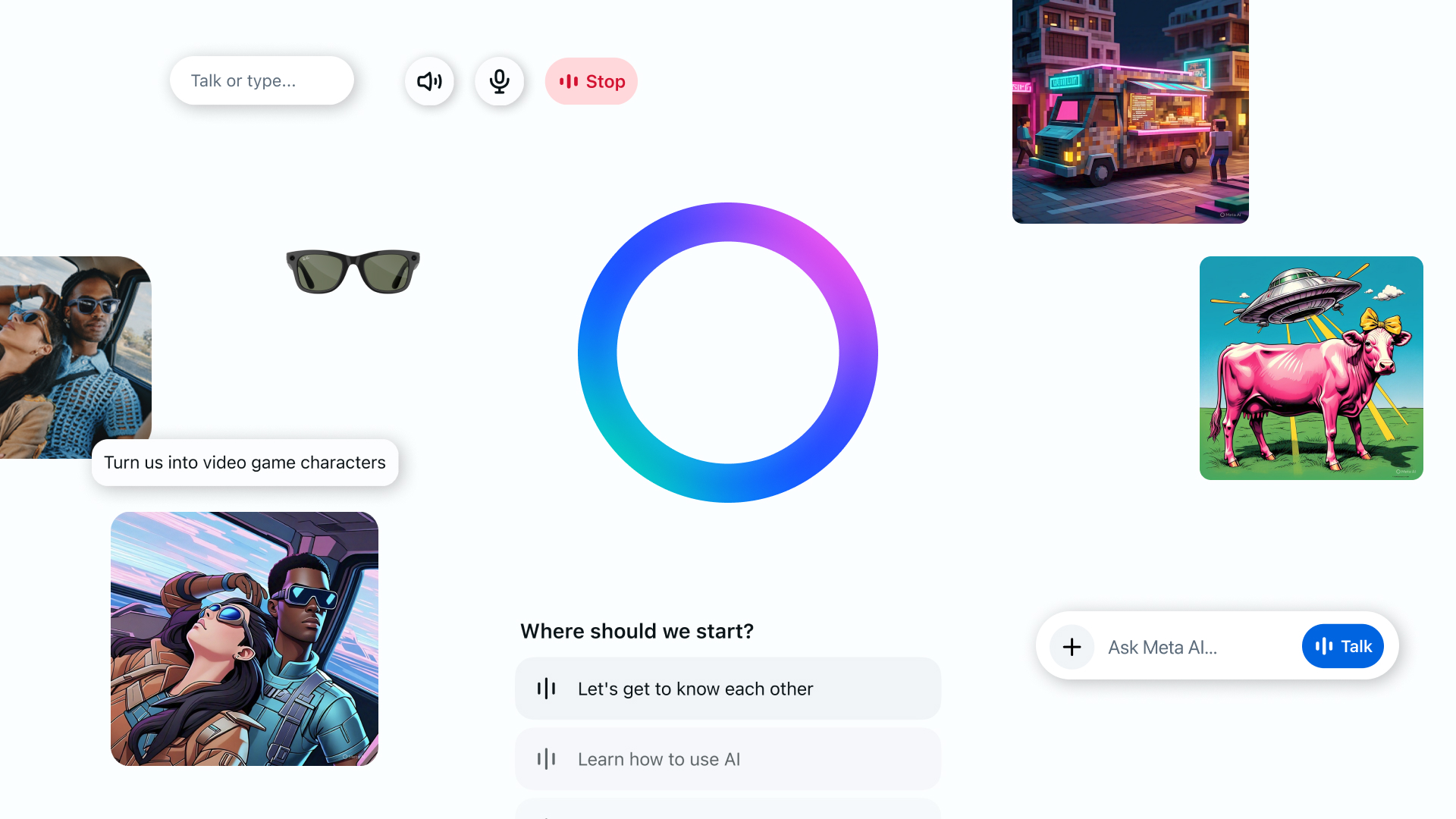
Meta is putting Muse Image inside Meta AI, Instagram Stories and WhatsApp as it tries to turn image generation into a feature for creators, advertisers and subscribers.
Meta on Tuesday began rolling out Muse Image, its first image-generation model from Meta Superintelligence Labs, and put the tool inside Meta AI, Instagram Stories and WhatsApp from the first wave.
Users will see more than 30 AI-powered effects in Instagram Stories, the company said. WhatsApp is getting direct image generation in select countries, while Facebook, Messenger and more Instagram and WhatsApp surfaces are due later this year, Reuters reported.
Distribution is the news.
Already, Meta has the consumer apps, the ad stack and a paid AI product to plug Muse Image into. CNBC reported the company sees the model serving advertisers as well as Meta AI subscribers, after monthly subscription plans were introduced in May. App placement also gives Meta a way to test the model with people who use its publishing and messaging tools every day.
In Meta’s description to CNBC, the model “brings native reasoning to the creative process to adjust elements, swap styles, and create variations based on the advertiser’s creative”. Its wording puts campaign production close to the centre of the pitch, even as the launch is presented to everyday users as a creativity feature.
In its launch post, Meta described Muse Image as a shortcut for people who start with a rough idea and want to keep working inside the same app. Users can change a background, restyle an image or produce variations without moving to a separate tool. “Sometimes the hardest part of creating is getting started,” the company said.
For Stories users, the feature sits near the publish button.
Instagram said the effects can turn a prompt or an existing image into a stylised Story background, giving creators another built-in option for quick edits and themed posts. Placement matters: the model arrives at the moment someone is already making content, rather than in a research demo or developer console.
A similar logic applies to WhatsApp and Meta AI. Instagram and WhatsApp sit inside daily habits for creators, small businesses and casual users. If Muse Image is good enough for quick social work, Meta can test it at consumer scale while keeping more of the creative process on its own surfaces.
Advertisers get a more direct use case. A brand team could take an existing creative, swap a style or produce extra versions for different audiences without moving outside Meta’s stack. That is useful for Meta even when the image model itself is not the only reason a campaign is bought.
After its reorganisation, Meta Superintelligence Labs, the AI group led by Alexandr Wang, now has an early product marker. The launch also puts Meta more squarely into the consumer image-model race, where distribution through existing apps can matter as much as benchmark claims.
Availability remains limited, with WhatsApp launching only in select countries and the wider timetable still set for later this year. No fixed date has been given for Facebook or Messenger. Meta’s bet is that image generation becomes stickier when it appears in the same place people already message, post and buy ads.

Asha Iyer
AI editor covering the model wars, AU enterprise adoption, and the policy shaping both. Reports from Sydney.