Meta smart glasses face-recognition code sparks privacy fight
Meta smart glasses face-recognition code reportedly sat inside the companion app, reviving privacy concerns before any public launch.
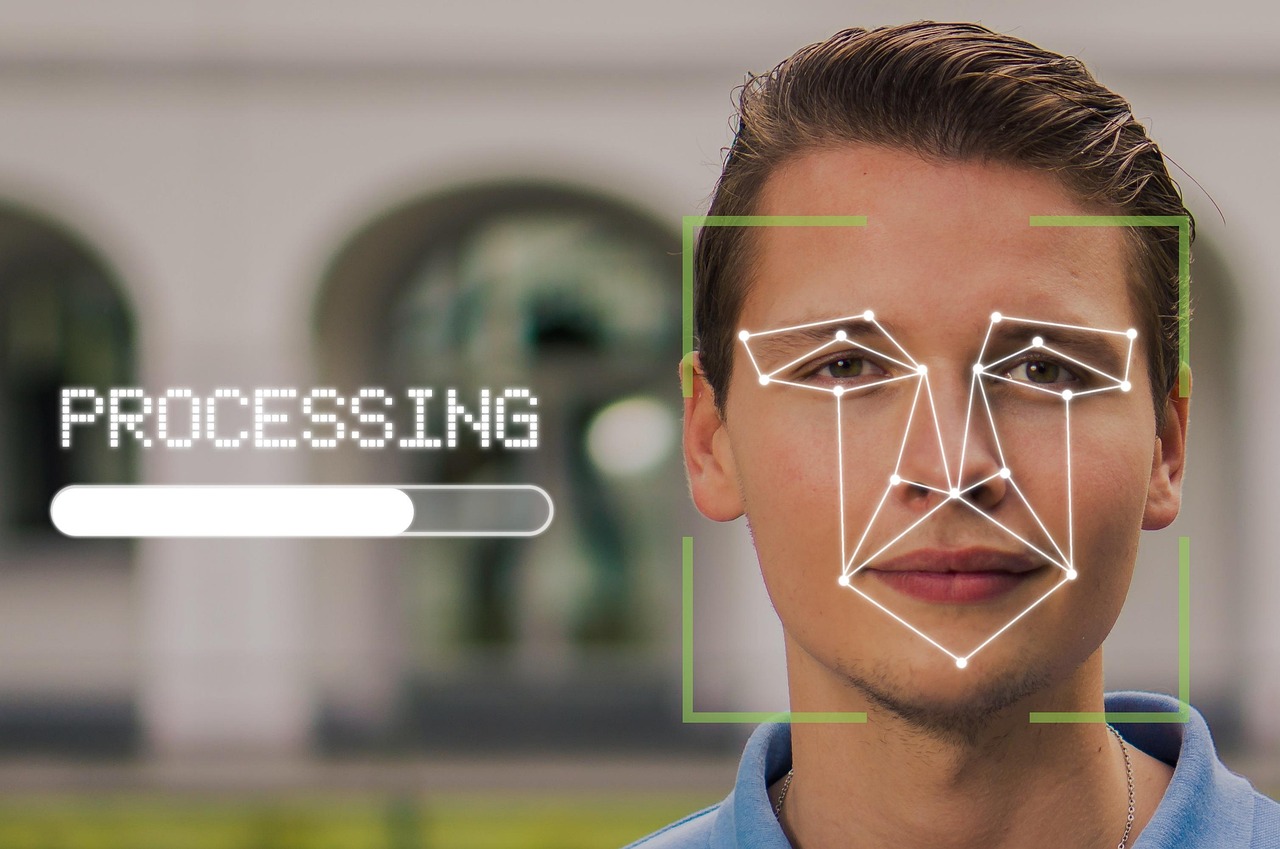
Meta put unreleased face-recognition code inside the companion app for its smart glasses, according to a Wired review of the software, sharpening a privacy fight over how far the company’s wearable AI plans may go.
The code, internally called NameTag, was found in the Meta AI app used with Ray-Ban smart glasses, Wired reported. Meta has not announced a public face-recognition feature for the glasses. Ryan Daniels, a company spokesperson, told the publication the capability had not been released to consumers.
“Nothing has shipped to consumers and no final decision has been made on what to do here, if anything.”
Ryan Daniels, Meta spokesperson, to Wired
The distinction matters. Code in a production companion app is not the same as an active consumer product, but it gives privacy advocates a firmer target than a roadmap rumour. Wired said the Meta AI app has more than 50 million downloads, meaning the unreleased system was reportedly sitting on millions of phones even if the feature itself was not switched on.
According to the report, NameTag was designed to identify people by comparing faces seen through the glasses with biometric data stored on a user’s phone. That would keep the matching close to the device and companion app, rather than requiring the glasses to stream each recognition request to Meta’s servers.
The unresolved issue is consent.
People in public may not know when someone else’s eyewear is trying to identify them. That is a harder consent question than unlocking a phone, using Face ID on a personal device or tagging friends in an uploaded photo, because the person being scanned may not have chosen to take part.
Joseph Jerome, a former Meta Reality Labs policy official, told Wired he was sceptical that Meta could deploy the feature responsibly. Wired also pointed to Meta’s history with biometric privacy disputes, including its $US5 billion 2019 privacy settlement with the US Federal Trade Commission and a $US1.4 billion Texas biometric-data settlement in 2024.
Privacy groups had already warned Meta
Civil rights and privacy groups were pressing Meta before the code discovery. A coalition of 75 organisations urged the company to abandon any face-recognition capability for its Ray-Ban and Oakley glasses, asking in a letter published by the ACLU of Massachusetts that Meta “immediately halt and publicly disavow” the plans.
“Immediately halt and publicly disavow its plans to deploy facial recognition features on its Ray-Ban and Oakley glasses.”
Coalition letter to Meta
Their warning turns on the form factor. A phone camera is visible when raised. Glasses make the capture step easier to miss, especially when the hardware is styled like conventional eyewear and worn in ordinary social settings.
US lawmakers have pressed the issue too. The Electronic Privacy Information Center said senators had demanded answers from Meta after earlier reporting on facial-recognition plans for the company’s smart glasses, including questions about consent, data retention and whether non-users could be identified.
For Australian readers, the immediate takeaway is narrow but important. Meta has not said face recognition is live in its glasses. Wired reported that code for such a system was embedded in software already distributed to consumers, while the public debate over wearable cameras is still catching up.
Meta’s hardware ambitions depend on making smart glasses feel ordinary enough to wear outside the home. The NameTag report shows why that path is fraught: the more the glasses promise to recognise the world around a user, the more they ask everyone else nearby to trust software they cannot see.

Marnie Blackwood
Regulation reporter on Privacy Act reform, eSafety, ACCC tech enforcement, and ACMA. Reports from Canberra.