Meta’s Muse Image backlash puts Instagram consent at the centre of an AI policy fight
Instagram consent backlash is turning Meta’s Muse Image into a policy fight over opt-out defaults, likeness reuse and user trust.
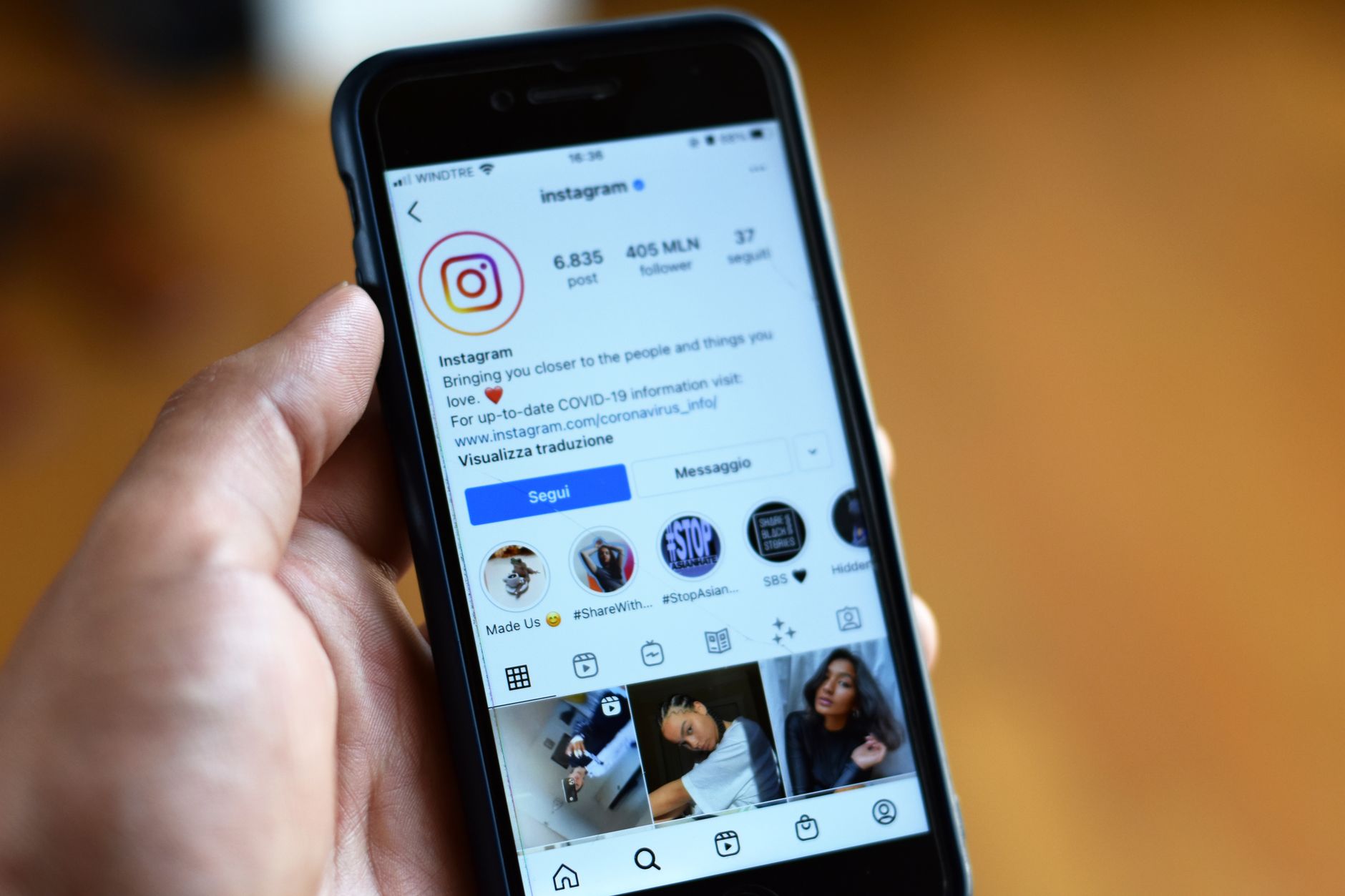
With Muse Image, Meta wanted to show how quickly Meta Superintelligence Labs research can become a consumer product. Instead, the rollout became a consent fight centred on Instagram, where public-account holders had to opt out if they did not want their likeness used in AI-generated images. For a company trying to make creative AI feel ordinary, that was the wrong argument to start.
A backlash built because the dispute was less about image generation itself than about who sets the opening terms. WIRED reported that the feature let people tag adult public Instagram accounts in prompts, while Meta said Muse Image would also power more than 30 new Stories effects. Together, those facts turned a product launch into a policy question almost immediately: when a platform already holds the photos, does “public” also mean available for reuse unless a user objects?
The company’s reading was narrower. In its statement on the launch and rollback, Meta said the tool was meant to be creative and controllable, not coercive.
“Our intent was to provide a useful creative tool and to give people control over whether their public content could be referenced in this way. We’ve heard the feedback that this feature missed the mark, so it’s no longer available.”
— Meta, Meta Newsroom
Such an explanation accounts for the product logic. It does not settle the consent question. If control only becomes meaningful after a user finds the setting, understands it and flips it in time, the company has already chosen the default for them.
The real dispute is about defaults
Critics have read Muse Image as an opt-in versus opt-out test, rather than another noisy AI launch. Axios reported that privacy advocates and rights groups objected to the idea that people might discover only after the fact that their face or public posts were available for AI remixes. Business Insider’s walkthrough said users would not be notified when their content was used. Missing notice answers the user question at the centre of the story: yes, a setting existed, but practical control looked thin.
On that reading, the backlash moved beyond ordinary platform criticism. The feature asked users to treat visibility and permission as the same thing. They are not. A public post is visible to the internet; it does not automatically feel like a standing licence for synthetic reuse inside a new product surface.
Public Citizen’s J.B. Branch told Axios the line plainly:
“People should not wake up to discover their face has become raw material for someone else’s AI experiment.”
— J.B. Branch, Public Citizen
Branch’s wording lands because it describes the emotional failure of opt-out design. What bothered critics was the prospect of waking up to a derivative use you never actively approved, not an abstract argument about model training.
Rights holders are making a similar point, which is a warning sign for Meta because it broadens the coalition against the feature. Axios reported that CAA called for clear, documented consent, and ABC News reported that SAG-AFTRA urged members to opt out. Once that language enters the debate, Muse Image stops looking like a playful Instagram add-on and starts looking like a case study in likeness governance.
“No one’s name, image, likeness, voice or creative work should be used by any third party, including AI models, without clear, documented consent.”
— CAA, via Axios
Meta’s speed collided with trust
A three-day rollback, reported by WIRED, suggests Meta understood that the objection was central. Complaints were not about output quality or prompt safety. Instead, they went to the premise of the launch. Inside Instagram’s distribution engine, a default setting on public accounts became a trust decision as much as a product decision.

Distribution is the point.
The company did not unveil Muse Image as a research demo parked on the edge of the company. Meta’s newsroom post described it as the first image generation model from Meta Superintelligence Labs, and Instagram’s own announcement tied it directly to Stories effects. The bet was clear: put generative AI in a place where users already spend time, then let the network do the work.
The distribution strategy also helps explain why the market barely blinked at the controversy. CNBC reported that Meta shares rose 15 per cent for the week as investors warmed to its broader AI push under Alexandr Wang. Wall Street and the policy debate were judging different things. Investors saw rollout pace and product breadth. Critics saw a company still treating privacy friction as something to manage after launch.
For now, both readings can be true. Still, they sit uneasily together. As Meta moves AI features from lab to feed, the margin for misreading consent norms gets smaller.
Why the dispute matters in Australia too
In Australia, the Muse Image fight is a reminder that global platform AI decisions do not stay confined to Silicon Valley product blogs. For users, they arrive as settings, defaults and unexplained prompts inside apps people already use. Often, by the time the policy argument becomes visible, the product logic has been live for days.
One removed toggle is not the whole issue. Meta, or any platform, can say a tool is optional and still choose a default that places the burden on the user. Practically, the argument then shifts from capability to comprehension: could an ordinary account holder reasonably know what had changed, what public status now allowed and how to stop it? On the evidence gathered by WIRED, Business Insider and BBC Technology, that answer looked shaky.
Pulling the public-account tagging feature resolves the immediate problem. It does not resolve the underlying policy fight. The company’s own launch materials and investor messaging still point the same way: more AI woven through Instagram, more consumer-facing surfaces, more pressure to ship. Should that remain the strategy, the next dispute will not turn on whether users like generative images. It will turn on whether Meta asks first.
The centre of the backlash is the permission model, not the pictures.

Marnie Blackwood
Regulation reporter on Privacy Act reform, eSafety, ACCC tech enforcement, and ACMA. Reports from Canberra.