Acer smart glasses Australia launch set for Q3 2026
Acer smart glasses Australia launch plans include a $999 AR viewing model and $599 Gemini-powered AI glasses due in Q3 2026.
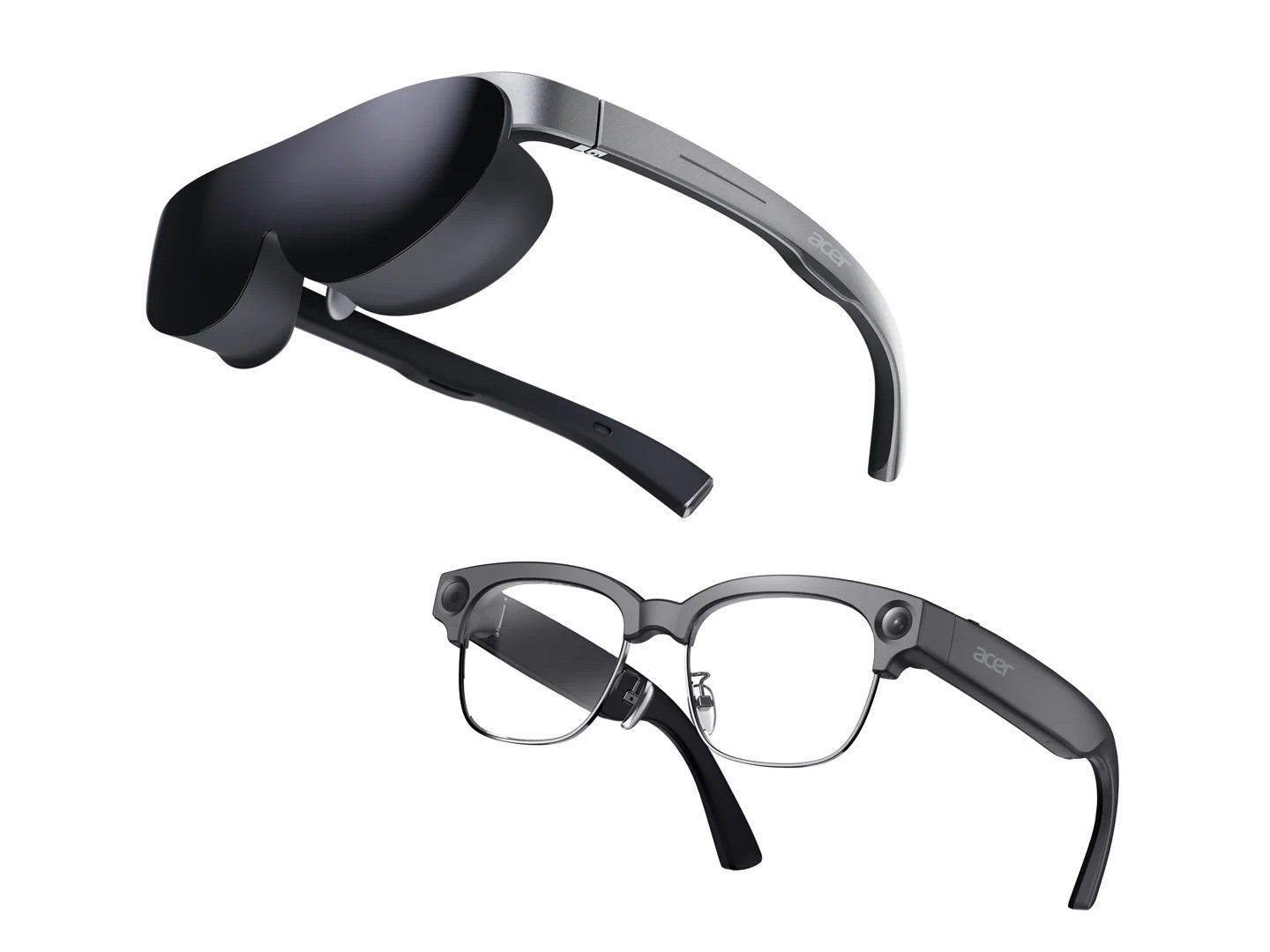
Acer plans to bring two new smart-glasses models to Australia in the third quarter, putting an AR viewing pair and a lighter AI camera model into a category edging back from trade-show demos to shop-ready hardware.
In its launch material, the company announced the AR Vision GR0 and GI0 AI glasses alongside new tablets, with Australian pricing set at $999 for the AR model and $599 for the AI glasses. Local retailers and exact sale dates have not been named beyond Q3 2026. Those gaps will matter if the range is to move past early adopters.
Australian buyers now have prices and a quarter for both products. That makes the range more than a concept pitch, although the retail path is still thin.
Two models, two jobs
At $999, the AR Vision GR0 is the dearer pair. Acer says the glasses weigh 69 grams and can present the equivalent of a 172-inch screen, putting them in the same broad class as display glasses used for private video, gaming or laptop mirroring rather than full mixed-reality headsets. It is closer to a portable screen than a standalone computer. That may make the price easier to explain, but it still sits well above impulse-buy territory.
The $599 GI0 AI glasses have a different job. They are built around a camera plus Google Gemini, making them an AI-assistant product rather than an AR viewing device. That split matters because smart glasses often blur several promises at once, from display and capture to audio and phone companion features. Acer is separating the private-screen use case from the capture-and-assistant one.
Notebookcheck’s hardware rundown made the same distinction between the AR Vision GR0 and GI0 AI glasses, describing one model around virtual-screen viewing and the other around hands-free AI functions. The comparison is useful because Acer is not selling the two devices as versions of the same product. Buyers will be choosing between different jobs, not merely between storage tiers or colours.
Apple, Meta and other hardware platforms are drawing more attention to smart glasses, but Acer’s announcement is narrower than that rivalry suggests. There is no claim here that the glasses replace a phone or define a new operating system. The Australian pitch is more practical: a $999 display accessory for people who want a private large screen, and a $599 camera-and-Gemini pair for people who want an AI device close to the camera roll.
Several local questions remain open, including prescription-lens options, warranty handling, battery-life details for Australian retail units and whether launch bundles will soften the opening prices. Acer also has not said whether carriers or major electronics chains will range the glasses. Software support is another local detail that often decides how long first-generation wearables stay useful.
With a Q3 window, Acer still has time to put the products in front of shoppers before the end-of-year device cycle. Clear in-store use cases may decide whether the Australian launch feels like ordinary consumer electronics or stays a niche for travellers, gamers and early hardware buyers.

Pip Sanderson
Reviews editor on phones, wearables, and the gear that lands in Australian shops. Reports from Melbourne.