Google smart glasses return with Android XR this fall
Google smart glasses will return this fall with Android XR and Gemini, but price, full specs and Australian launch timing remain undisclosed.
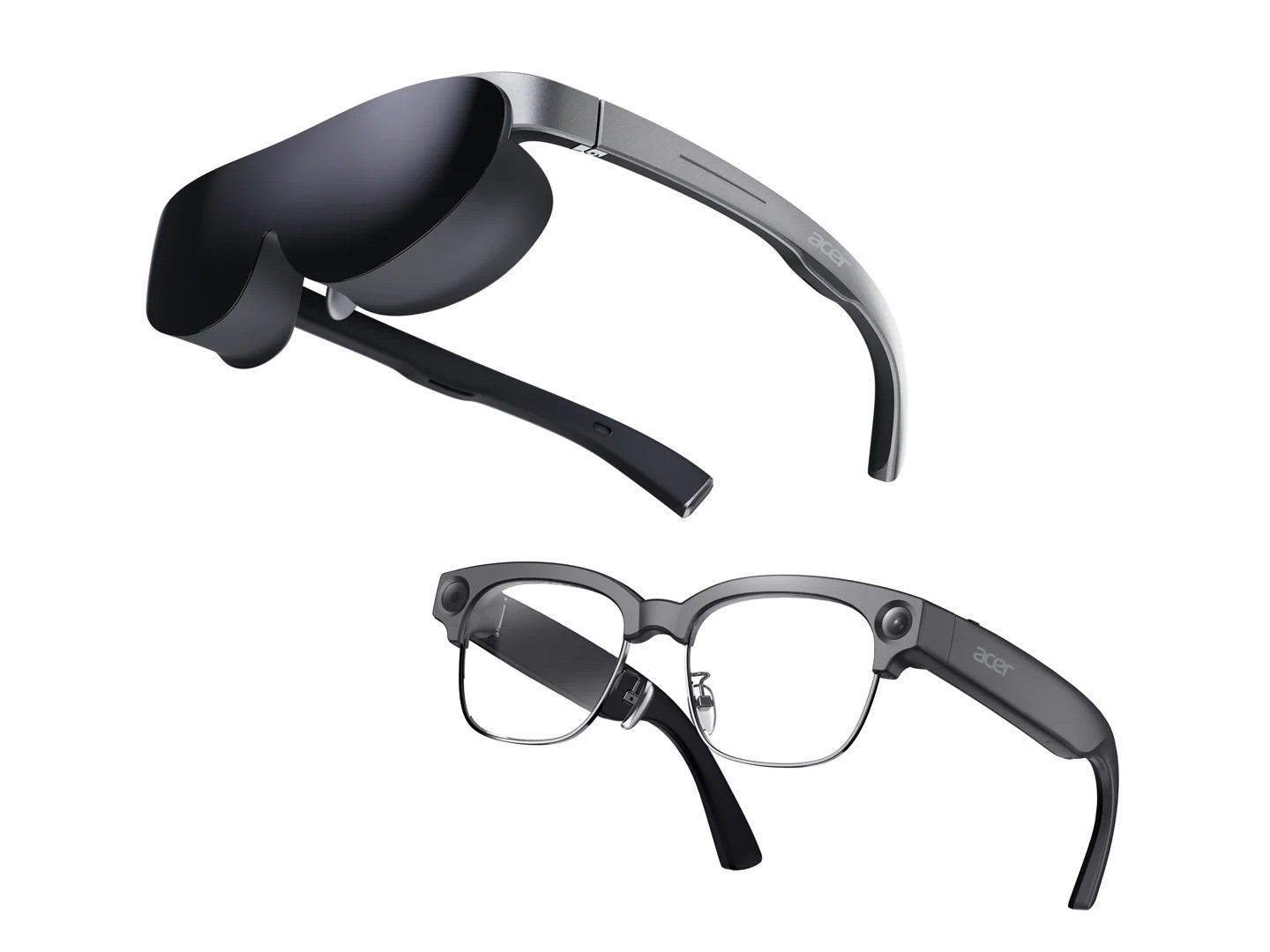
At I/O 2026 on Tuesday, Google previewed Android XR smart glasses, its first real return to face-worn computing since Google Glass was pulled from sale more than a decade ago. Built with Samsung and eyewear labels Warby Parker and Gentle Monster, the frames put Gemini directly into a lightweight wearable. An audio-led model ships first, the company said, within a launch window of later this fall.
For Google, the announcement marks a fresh consumer-hardware push in the effort to move AI assistants off phones. Reuters reported last year that the company and Warby Parker were working on AI-powered glasses for a 2026 launch, but Tuesday’s preview gave the first firm release window. Pricing, battery life, technical specifications and launch markets remain undisclosed, including whether Australia is in the first wave.
Google XR vice-president Shahram Izadi told the BBC the goal was to help people “stay hands free and heads up”. It is a deliberate pivot, utility over spectacle, a decade after Glass was pulled following privacy complaints and weak sales.
“stay hands free and heads up”
— Shahram Izadi, via BBC
The company’s own announcement confirmed it is building two types of intelligent eyewear: audio glasses and display glasses. The audio version ships first. The display model stays a longer-range Android XR concept. The sequence is telling. It puts Google in the same lane as the lightweight, voice-first smart glasses that have already found a market, sidestepping the heavier, camera-forward approach that sank Glass.
Why Google is taking a different path
Bringing Samsung in as a hardware partner and working with established eyewear labels signals that Alphabet wants the project anchored inside a broader Android XR ecosystem. The frames are tied directly to Gemini, which ran through nearly every I/O 2026 announcement, from Search to Android to new devices. That lets the search giant sell the glasses as another surface for an assistant people already use, sidestepping the harder job of launching a new gadget category from a cold start.
The announcement puts Google more directly against Meta in face-worn computing. TechCrunch noted the audio-first approach echoes Meta’s strategy with its Ray-Ban smart glasses, where voice interaction in a lightweight frame has outsold full augmented-reality promises. How much of the Android XR experience will be available on the first model remains unclear. The I/O messaging suggests the company wants to start where consumers already are before pushing into display-based wearables.
Google kept its promises narrow. It confirmed partners, product direction and a fall window for audio glasses. Left unanswered were the questions that will determine whether smart glasses stay an enthusiast category: price, battery life, whether Australia is in the first release group, and how much works without a tethered phone. The preview matters. It is also incomplete.
“Audio glasses are launching first, coming later this fall.”
— Google, Android XR announcement
I/O does not need to prove smart glasses are mainstream. What the company needed to show was that this time it has partners and a schedule people can actually track. Whether Android XR becomes a real wearable business depends on what ships this fall.

Pip Sanderson
Reviews editor on phones, wearables, and the gear that lands in Australian shops. Reports from Melbourne.