Silicon Quantum Computing gets $40m NRF top-up
Silicon Quantum Computing has secured another $40m from the National Reconstruction Fund as Canberra backs local quantum-chip manufacturing.
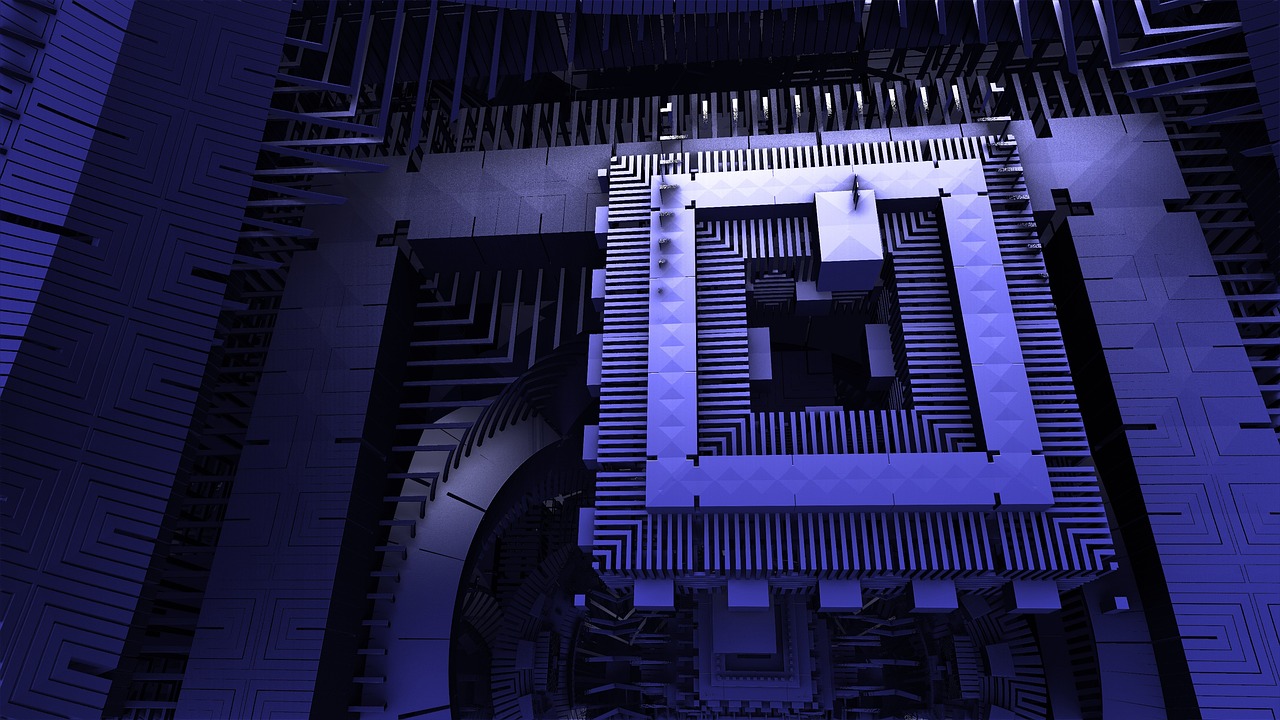
Australia’s National Reconstruction Fund has committed another $40 million to Silicon Quantum Computing, taking its backing for the Sydney quantum-chip company to $60 million. Both sides cast the top-up as support for processors that can be designed, built and commercialised in Australia, rather than handed off overseas once the research is proven.
In March, the National Reconstruction Fund Corporation invested $20 million in Silicon Quantum Computing. This second cheque puts the company near the centre of Canberra’s attempt to turn quantum research into a domestic manufacturing base.
This investment backs Australian ingenuity and ensures world-leading quantum technologies are designed, built, and commercialised here at home.
Tim Ayres, federal industry minister
Unlike a general research grant, the new capital is aimed at a company trying to make silicon-based quantum chips at commercial scale. Proving quantum effects in a university lab is one challenge; manufacturing repeatable devices is another. The NRFC said the investment was directed at quantum computing and atomic-scale semiconductor manufacturing capability.
Michelle Simmons, the UNSW physicist and Australian of the Year, founded Silicon Quantum Computing after years of work on silicon quantum processors. Simmons said the company’s goal was to build a commercial-scale quantum computer in Australia, using the same material base that underpins conventional chipmaking.
From day one, SQC’s mission has been clear: To build the world’s first commercial-scale quantum computer in silicon, right here in Australia.
Michelle Simmons, Silicon Quantum Computing
NRFC chief executive David Gall said Silicon Quantum Computing was a leader in silicon-based quantum computing and that the investment would support skilled jobs, commercialisation and sovereign capability. Those terms place SQC in the same policy frame as battery materials, critical minerals and advanced manufacturing, where public capital is being used to keep more of the value chain onshore.
Australia has often produced high-value research before losing the manufacturing and scale-up phase overseas. This investment is a small but pointed intervention in that pattern. Canberra is not claiming a finished quantum computer; it is trying to keep one route to that machine anchored in local facilities, local engineers and domestic semiconductor know-how.
Why the cheque is strategic
Useful quantum machines remain contested, and the sector is still early. The funding is therefore more signal than finish line. It shows the NRFC is prepared to make repeat investments in companies it believes can anchor manufacturing capacity, rather than scattering one-off cheques across the sector.
Outside Australia, SQC is also in the frame. The company is among 11 companies selected for stage B of DARPA’s Quantum Benchmarking Initiative, a US programme assessing whether different quantum approaches can reach industrial usefulness. That does not guarantee a commercial computer, but it gives SQC another external test of its technical path.
Jobs and supply-chain control underpin Canberra’s case. The government’s National Quantum Strategy estimates the sector could be worth $6 billion and support 19,400 jobs by 2045, if Australia can keep more development and manufacturing activity at home.
For SQC, the immediate result is more runway. For the NRFC, it is a deeper stake in one of Australia’s best-known quantum bets. The harder test is whether that capital helps move the company from laboratory advantage to repeatable chip manufacturing.

Jules Hartman
Startup reporter tracking the Sydney–Melbourne ecosystem, raises, and exits. Reports from Surry Hills.