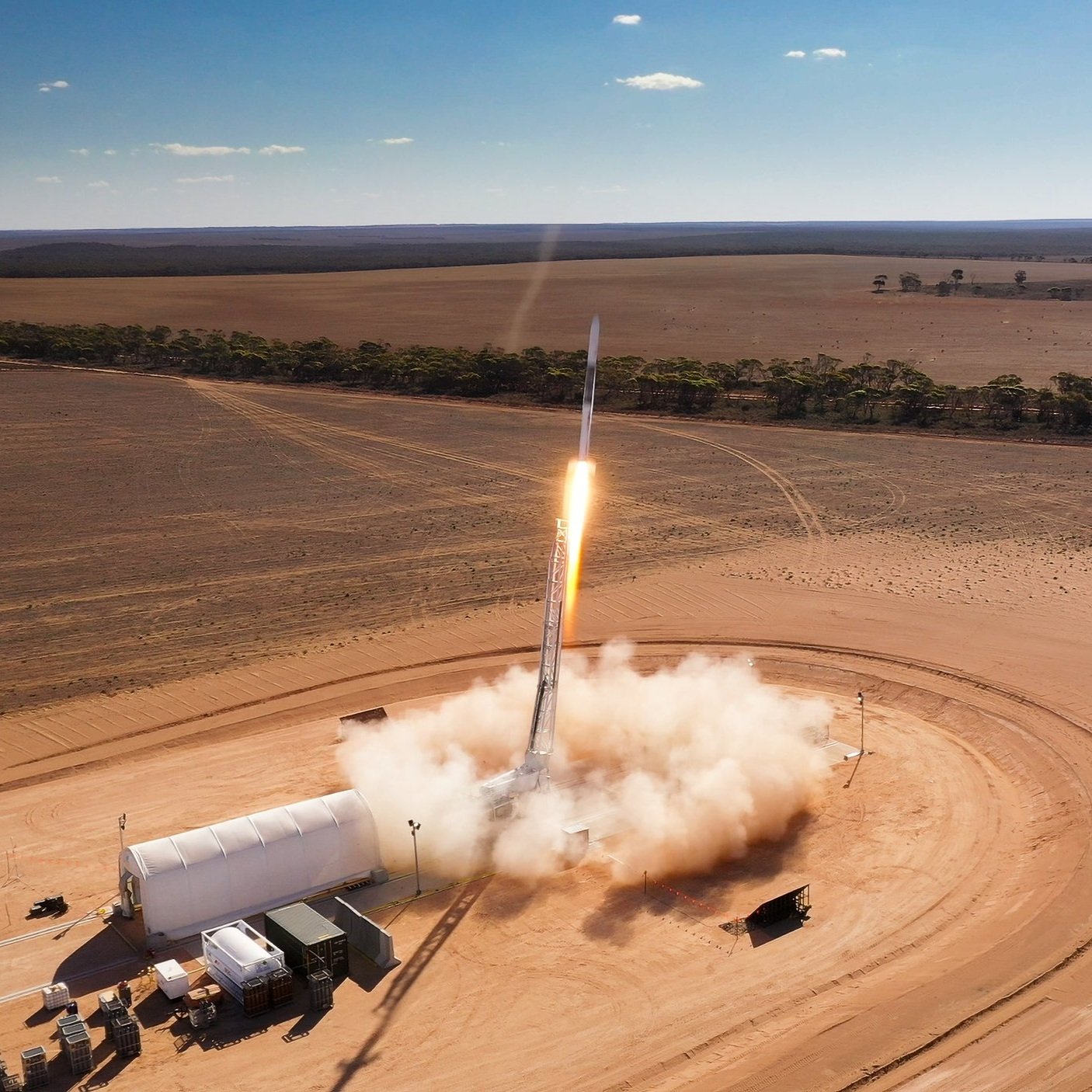
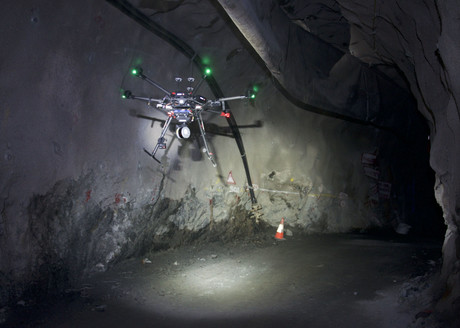
HEO $30m raise tests appetite for Australian space tech
HEO's mooted $30 million raise puts Australian space tech, Airtree backing and sovereign-capital questions into focus.

Sydney space-imaging start-up HEO is seeking about $30 million, The Australian Financial Review reported, in a funding process that will test how much capital is still available for Australian deep-tech companies beyond software.
The proposed round reaches beyond one company. HEO was founded in 2016 and is led by chief executive Will Crowe and chief technology officer Hiranya Jayakody. It also has ties to Airtree Ventures and the UNSW Founders Program. AFR said the process had also prompted discussion about National Reconstruction Fund backing.
That mix of venture, university and policy links is why the raise matters in local start-up finance.
Australian founders have spent much of the past year describing slower late-stage cheques and a smaller pool of investors willing to back hardware-heavy or defence-adjacent businesses. A $30 million target is modest by global space standards, but large enough locally to show whether specialist capital still moves when the pitch is sovereign capability rather than consumer growth.
HEO’s product pitch is part of that case. On its company overview, the company says it is building non-Earth imaging and insights services that use existing space assets as a more flexible intelligence layer rather than launching another small-satellite fleet.
“HEO has a vision to image anything in the solar system on demand.”
— HEO, company overview
The company has already shown it can raise institutional money. HEO said in 2023 that it had secured a $12 million funding round led by Airtree, and AFR said the current process also reaches into Y Combinator circles. Together, those links give HEO a local venture backer and an offshore credential at a time when many Australian growth rounds have become harder to close.
But space businesses still ask investors to underwrite technical execution, longer timelines and a strategic case for why the capability should sit in Australia. That is a harder sell than a recurring-revenue software company.
The National Reconstruction Fund Corporation angle pushes the story further into policy. Even the suggestion of NRF involvement puts HEO alongside other nationally strategic industrial bets, where the question is not only whether private investors will write a cheque, but whether Canberra wants some technologies kept closer to sovereign capability.
HEO has not announced a completed raise, and AFR described an active process rather than a signed deal. If the company closes the round, it would point to remaining appetite for hard-technology start-ups with a space or defence edge, not only the enterprise AI and fintech names that have dominated recent Australian funding.

Jules Hartman
Startup reporter tracking the Sydney–Melbourne ecosystem, raises, and exits. Reports from Surry Hills.