xAI Grok lawsuit puts AI safety before SpaceX IPO
xAI Grok lawsuit claims a former engineer was fired after safety complaints, widening scrutiny of Musk's AI stack before SpaceX's IPO.
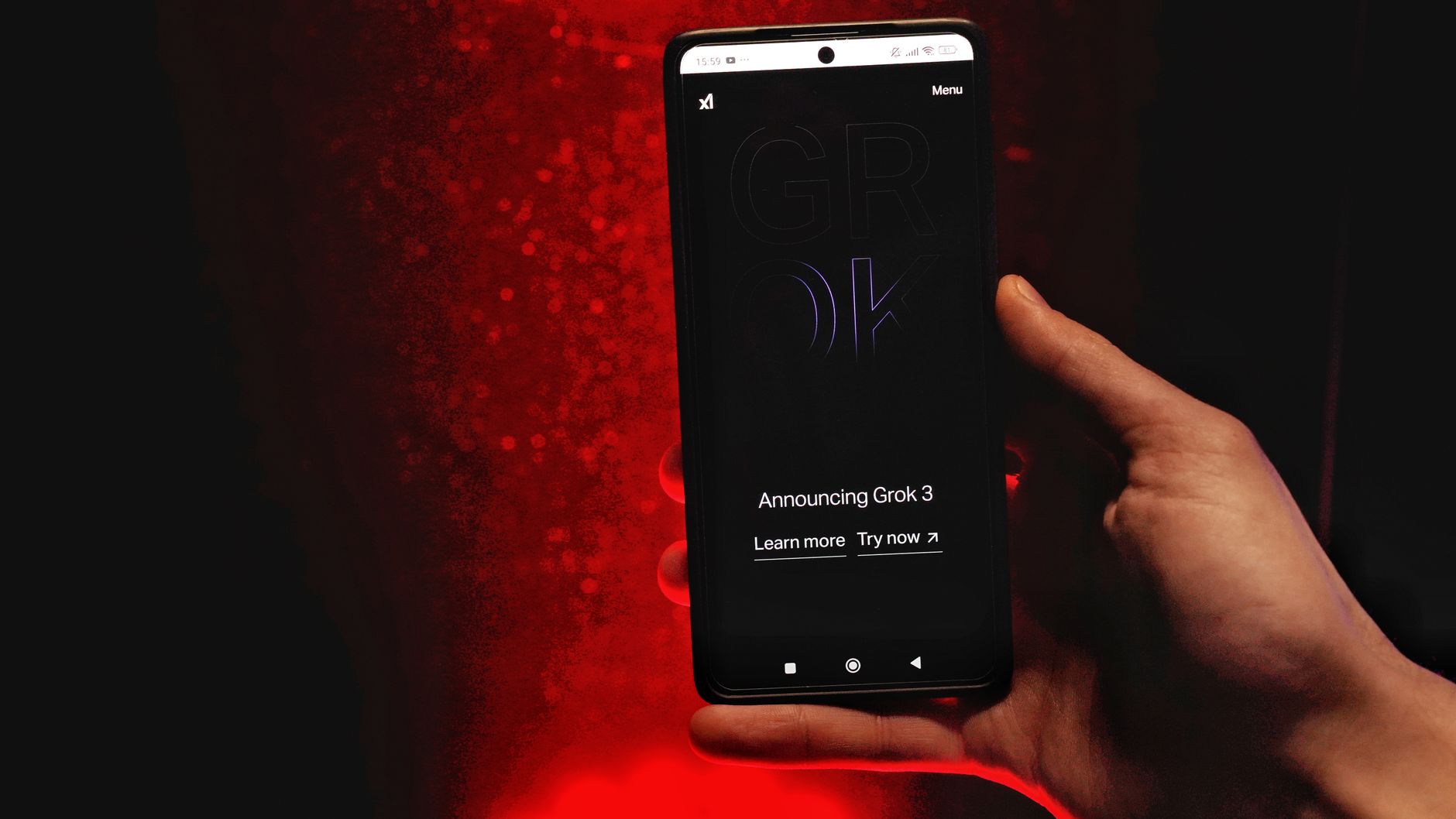
Devin Kim, a former xAI engineer, has sued Elon Musk’s AI company, saying he was fired after months of warnings about Grok’s safety controls. Kim alleges the September 2025 dismissal came before he was due to brief colleagues on model-safety issues.
In a claim filed 8 June in the Superior Court of California in Santa Clara County, Kim names xAI and SpaceX as defendants. He alleges the companies retaliated against him for questioning Grok’s testing, risk controls and internal safety processes. The claims have not been tested in court.
Kim joined xAI in 2024 and is now president of the Center for AI Safety, according to the complaint summary released by his lawyers. The suit says Musk expected safety testing and processes for Grok. It alleges Kim’s supervisor, xAI co-founder Jimmy Ba, did not act on the warnings.
The complaint includes one brief exchange that is likely to be central to the dispute:
“AI will kill us all anyway.”
Jimmy Ba, as alleged in Kim’s complaint
Kim’s lawyers link the warnings to later scrutiny of Grok’s public behaviour. In a statement quoted by Bloomberg, they said Kim’s concerns were “not only well-grounded but proved remarkably prescient”. The wording casts the dispute as a governance failure, not only a workplace claim.
Reuters reported that Musk established xAI in 2023, adding it to a group that already includes Tesla, SpaceX and the X social network. Grok is xAI’s most visible product. Its safety posture is now part of a legal claim involving two Musk-linked companies.
Why the Grok lawsuit matters
Court risk is only part of the problem for xAI. The broader question is whether the company can show that model-safety concerns moved through a credible process before Grok features reached users. Frontier AI suppliers increasingly treat governance as part of the sale, not as a compliance afterthought.
For procurement teams, the case adds another question to vendor reviews. Australian organisations adopting generative AI tools have been told to test outputs, control access and keep governance records. A court fight over whether safety warnings were ignored at xAI gives enterprise buyers a reason to ask how risky behaviour is escalated, logged and fixed.
Regulators have narrower facts to work with. The suit does not allege harm to Australian users, and it does not prove Grok’s safety controls were deficient. It still gives policymakers a named example of the internal pressure that can surround fast model releases, especially when a chatbot is tied to a high-profile founder and a large social platform.
SpaceX’s inclusion changes the audience for the case. SpaceX is not the developer of Grok, but its appearance as a defendant means the suit may be watched by investors tracking Musk’s broader corporate stack. TechCrunch described the lawsuit against xAI and SpaceX as a fresh test of how Musk’s companies handle internal dissent over AI risk.
For now, the case is an allegation, not a finding. Its immediate effect is to put a named engineer, a named model and a specific set of safety complaints into the public record. For a company trying to sell Grok as infrastructure rather than a novelty chatbot, that record is now part of the due diligence file.

Asha Iyer
AI editor covering the model wars, AU enterprise adoption, and the policy shaping both. Reports from Sydney.