Jury tosses Elon Musk lawsuit against OpenAI
A California jury dismissed Elon Musk's lawsuit against OpenAI as untimely, easing an immediate legal threat over the company's direction as the AI race intensifies.
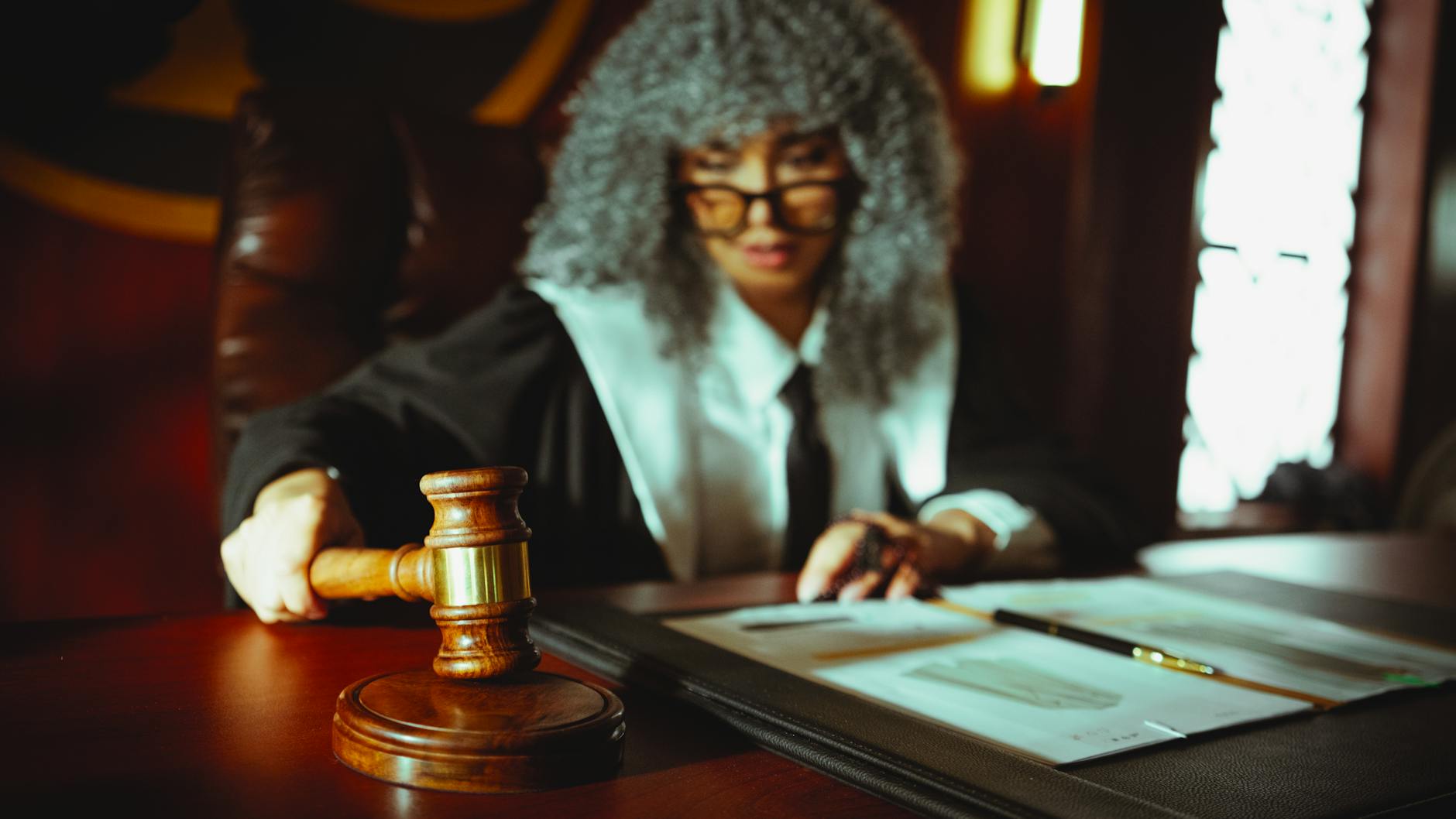
Elon Musk lost his lawsuit against OpenAI on Monday after a California jury found the case had been brought too late. The verdict hands Sam Altman and the ChatGPT maker a courtroom win that clears one legal threat the company had been fighting since Musk sued. The jury knocked out Musk’s claims over OpenAI’s direction at the end of a trial that drew attention well beyond Silicon Valley, Reuters reported, because it touched who controls one of the market’s most influential AI companies.
The case had become a governance fight fought through the courts, which is why the outcome matters. OpenAI still faces broader arguments about its structure and funding, but this verdict narrows the near-term risk from the lawsuit Musk brought against the organisation he helped found in 2015. For rivals, developers and investors, the signal is blunt: one of the most visible legal attacks on OpenAI failed.
The three-week trial ended with jurors deliberating for roughly two hours before tossing the case, the BBC reported. Musk, who left OpenAI’s board in 2018, argued the group’s move away from its non-profit mission was effectively plundering a charity after he had put in about $US38 million. In court he said: “It’s not OK to steal a charity… If it’s okay to loot a charity, the entire foundation of charitable giving will be destroyed.”
OpenAI cast the lawsuit as a competitive play, not a charitable dispute. “This was nothing but an effort by Mr Musk to slow down a competitor,” OpenAI spokesman Sam Singer told Reuters. Microsoft, whose partnership with OpenAI has made it central to the AI build-out, also welcomed the result. “The facts and the timeline in this case have long been clear and we welcome the jury’s decision to dismiss these claims as untimely,” a Microsoft spokesperson said.
The industry watched the case so closely in part because Musk is one of the few people with the platform and the resources to challenge Altman in court and in the market simultaneously. CNBC’s account of the verdict framed it as the latest chapter in the Musk-Altman feud. The longer-lasting issue is corporate control: who sets the terms for a lab that is now central to the model race.
Why the verdict matters
For OpenAI, the practical gain is breathing room. The company no longer has this lawsuit hanging over its effort to build products, sign partners and defend its commercial structure. The verdict does not end the scrutiny of how frontier AI groups balance original missions with investor demands, nor does it settle the broader split between Musk and Altman. But it strips away a source of courtroom uncertainty at a moment when product cycles are accelerating and capital requirements are rising.
The verdict lands as AI governance has moved from niche policy circles into mainstream technology coverage. The same companies pushing models into coding tools, search and productivity software are fighting over ownership and access at the same time. When those disputes reach court, they are not just about founders’ grievances. They can shift partnerships and the confidence of businesses choosing which AI platforms to build on.
For Australian readers, that is the useful frame. Local developers, enterprise buyers and startups are not parties to the case, but many depend on services tied to OpenAI or to competitors trying to unseat it. A verdict that removes one legal obstacle does not settle the larger questions around governance or market concentration. It does clarify that this challenge failed, leaving OpenAI in a stronger position than it was before the jury returned.
More legal and commercial fights are likely as model makers push deeper into search, office software and developer tools. Monday’s decision did not end that contest. It gave OpenAI one clear win.

Asha Iyer
AI editor covering the model wars, AU enterprise adoption, and the policy shaping both. Reports from Sydney.