Brazil fake emergency alert hack hits millions of phones
Brazil fake emergency alert messages hit phones in three states after a suspected hack shut the civil-defence system and triggered a police probe.
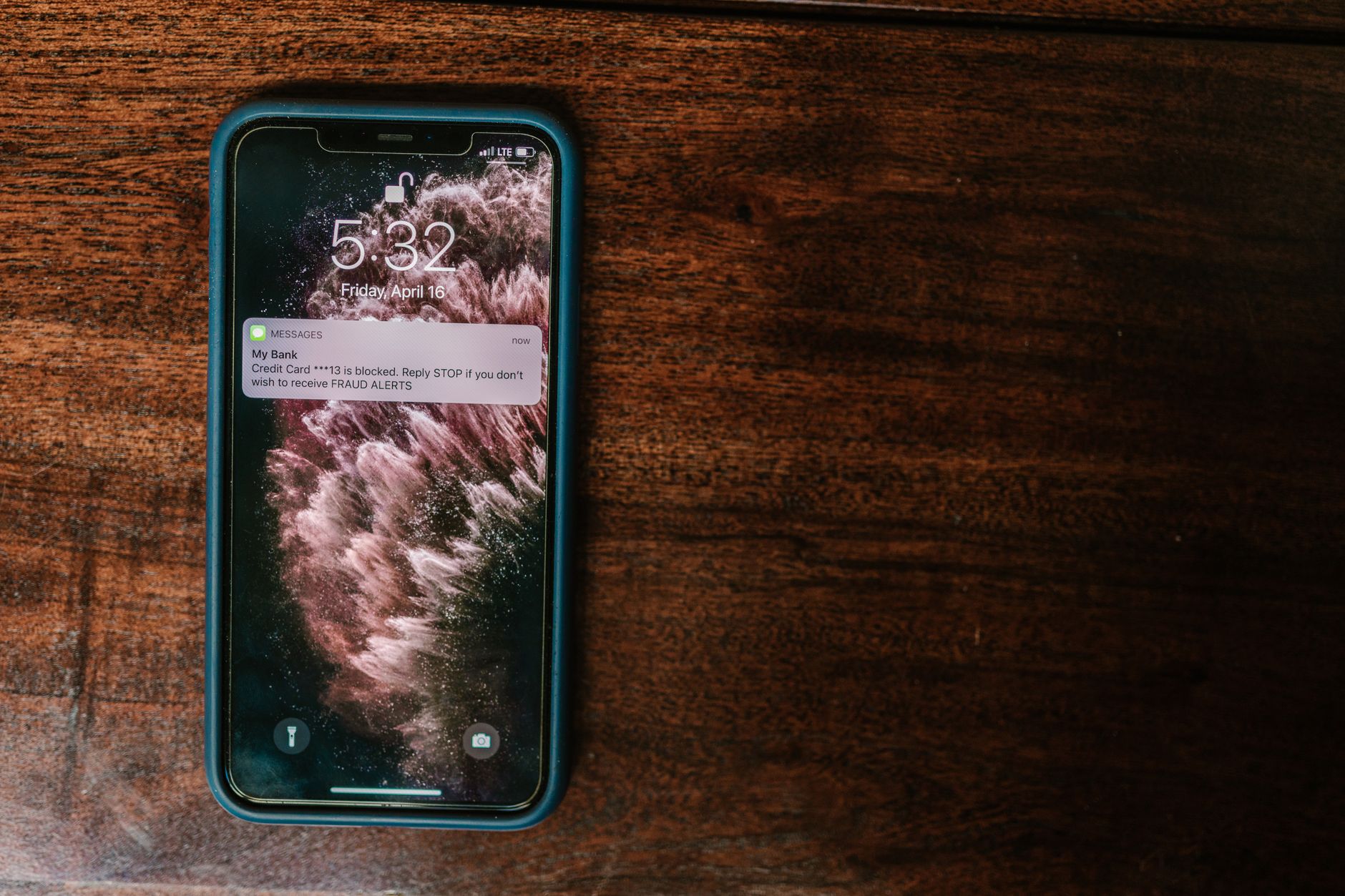
Brazilian authorities have taken the country’s civil-defence mobile alert platform offline after a suspected hack sent a false emergency warning to phones in several states, putting a government warning channel under unusual scrutiny.
The incident was not a phone compromise in the usual sense. The message appeared to come through Defesa Civil Alerta, the system Brazil uses to push urgent warnings to handsets in affected areas without asking people to sign up first. Overnight on Saturday, it sent an “Extreme Alert” containing the word “misanthropy” to users in at least Paraná, São Paulo and Rio de Janeiro, according to CNN’s reporting. That made the alert system itself the problem, not merely the delivery channel.
Brazil’s Integration and Regional Development Ministry and federal police are investigating. Wolnei Wolff, the National Secretary of Protection and Civil Defense, said officials had tracked 10 unauthorised alerts in several states. Reuters reported the notification system was taken offline at 1.30am local time as officials tried to contain the breach and work out how the alert was triggered.
False alerts are a difficult category for cyber responders. No customer database has to be stolen. No handset has to be infected. The public effect can still be serious, because the channel works only if people assume it is official. That loss of confidence is hard to measure during the first hours of an incident. It can show up later, when residents hesitate over a real flood notice or assume a bushfire evacuation message is another mistake. For operators, recovery is not only a matter of patching the entry point. They also have to prove that the next warning came from the right authority and passed through the right checks.
Brazil’s National Civil Defense said in the CNN-reported statement that the bogus message used the system’s most severe tier: “The message sent was of the ‘Extreme Alert’ type and contained the word ‘misanthropy’ - which means hatred towards humanity. It is probably a hacker attack.” The phrasing left room for investigators to establish the technical cause, but it also confirmed that officials were treating the episode as a suspected intrusion rather than a harmless system glitch.
Rio de Janeiro’s civil defence agency separately blamed “instability” in the IDAP/Cellbroadcast alert platform, which sits under the federal government’s civil defence structure. That wording does not explain whether credentials were abused, an integration failed or a console was reached by someone who should not have had access. It does, however, point attention at the software and controls that authorise an alert, rather than at the phones that received it.
For Australian readers, the Brazilian case is mainly a critical-infrastructure warning. Mobile emergency alerts are now part of disaster response in countries that face fires, floods and storms, and their usefulness depends on trust built before a crisis. Brazil’s investigators still have to establish exactly where the compromise occurred. The practical lesson for other governments is narrower: the alerting system needs monitoring, access controls and recovery drills before it is needed in a real emergency.

Reza Khalil
Cybersecurity reporter covering breaches, threat intel, and the ACSC beat. Former incident responder. Reports from Canberra.