SMS sender ID rules 2026: business texts risk 'Unverified'
SMS sender ID rules take effect on 1 July, and businesses that fail to register branded texts can have messages labelled 'Unverified'.
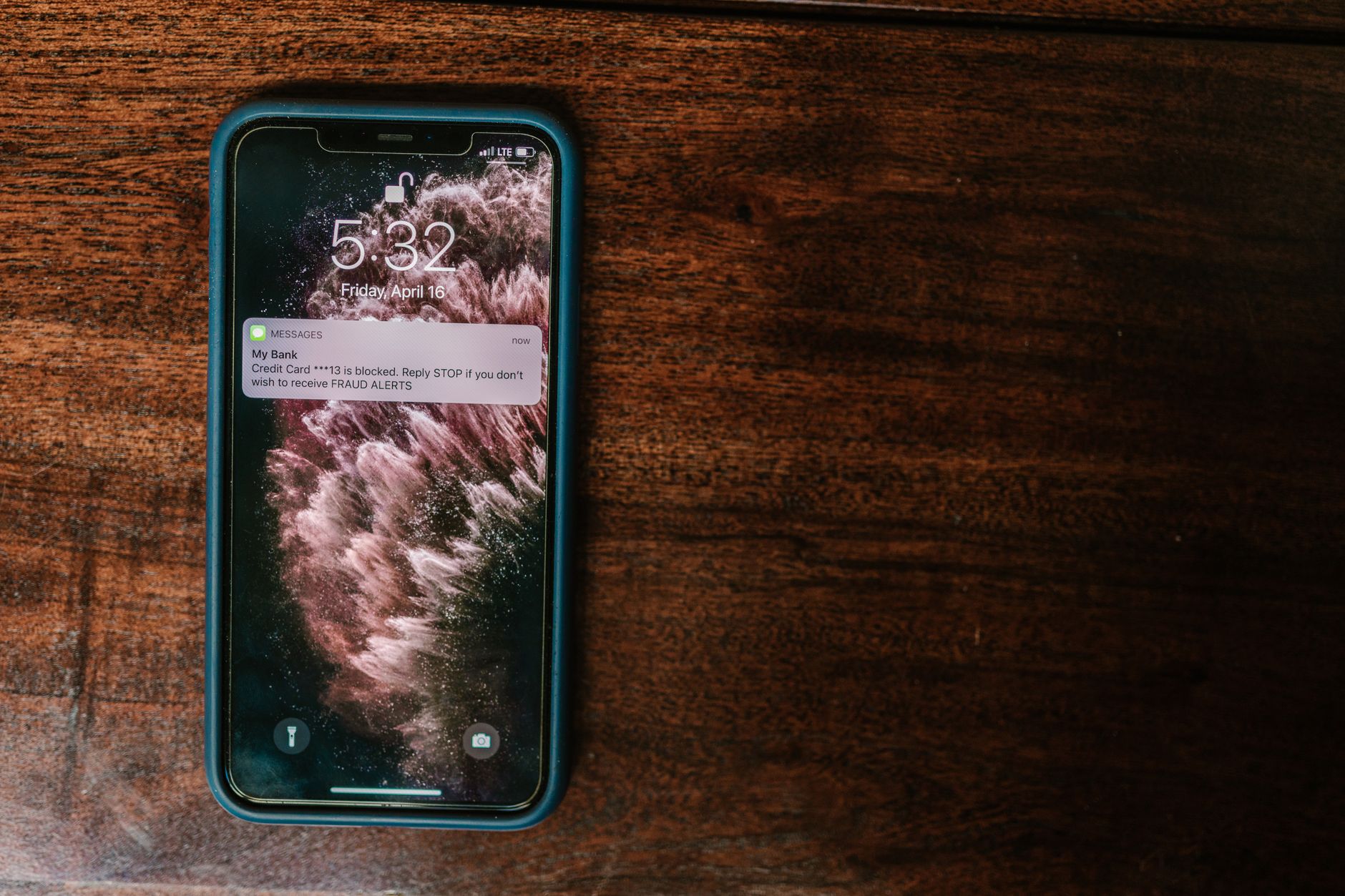
Australian businesses that send text messages under a brand name have until 1 July 2026 to register those sender IDs, or their messages can be labelled “Unverified” under anti-scam rules overseen by the Australian Communications and Media Authority.
The rule applies when an SMS shows a business name instead of a phone number. Banks, retailers, utilities, healthcare providers and service platforms use that format for account alerts, appointment reminders, login codes, delivery notices and payment prompts. Customers often decide whether a message is safe before opening it, so the sender line is part of the trust signal.
From 1 July, branded sender IDs must be listed on ACMA’s SMS Sender ID Register. ACMA says registration is arranged through the telco or messaging provider that sends the traffic, not by a direct public self-service form for every business. That detail matters for larger organisations, where marketing, support and billing texts may be handled by different vendors.
For most companies, the change is a telecoms compliance task with a customer-trust consequence. A legitimate reminder carrying an “Unverified” label may be ignored or reported by customers who have been trained to distrust unexpected links and urgent SMS prompts. It can also make customer-support teams explain messages that should have been routine.
What businesses need to do
SmartCompany reported registration is free. Businesses still need to audit the names they use in live campaigns, lodge them through the provider that sends each message stream and check Australian Business Register details are up to date. Old support flows and outsourced billing platforms are the easy places to miss, particularly for companies that have changed trading names or moved messaging suppliers.
ACMA’s public warning has been blunt.
“Sending SMS with your business/org name? You must register your sender ID now to avoid disruption by 1 July 2026.”
ACMA, SMS Sender ID Register
The consumer logic is direct. If a scammer imitates a recognised brand, the register is meant to make an unverified message easier to question. The label is aimed at impersonation texts that lean on toll notices, parcel updates or urgent account warnings to push people into a fast click.
Drive reported Australians lost nearly $18 million to SMS scams in 2025, citing ACMA member Samantha Yorke. Yorke said people should treat any message marked “Unverified” with extra caution and avoid clicking links or providing personal information.
For businesses, that advice changes the cost of a missed registration. A bank, clinic, retailer or platform may still be sending a legitimate login code or booking change, but the customer sees a warning before the brand can explain. The fallout is likely to show up as failed deliveries, support calls and lower trust in a channel that many companies still treat as high priority.
The near-term job is not complicated, but it is easy to split across teams. Operations may know the provider, marketing may own the campaign names and finance may hold the ABR records. Someone has to reconcile those pieces before the deadline.
The rollout sits alongside wider anti-scam work before the new financial year, but ACMA’s message is immediate: check every branded SMS sender ID, identify the provider responsible for registration and make sure the business details attached to those names match what customers recognise.

Marnie Blackwood
Regulation reporter on Privacy Act reform, eSafety, ACCC tech enforcement, and ACMA. Reports from Canberra.