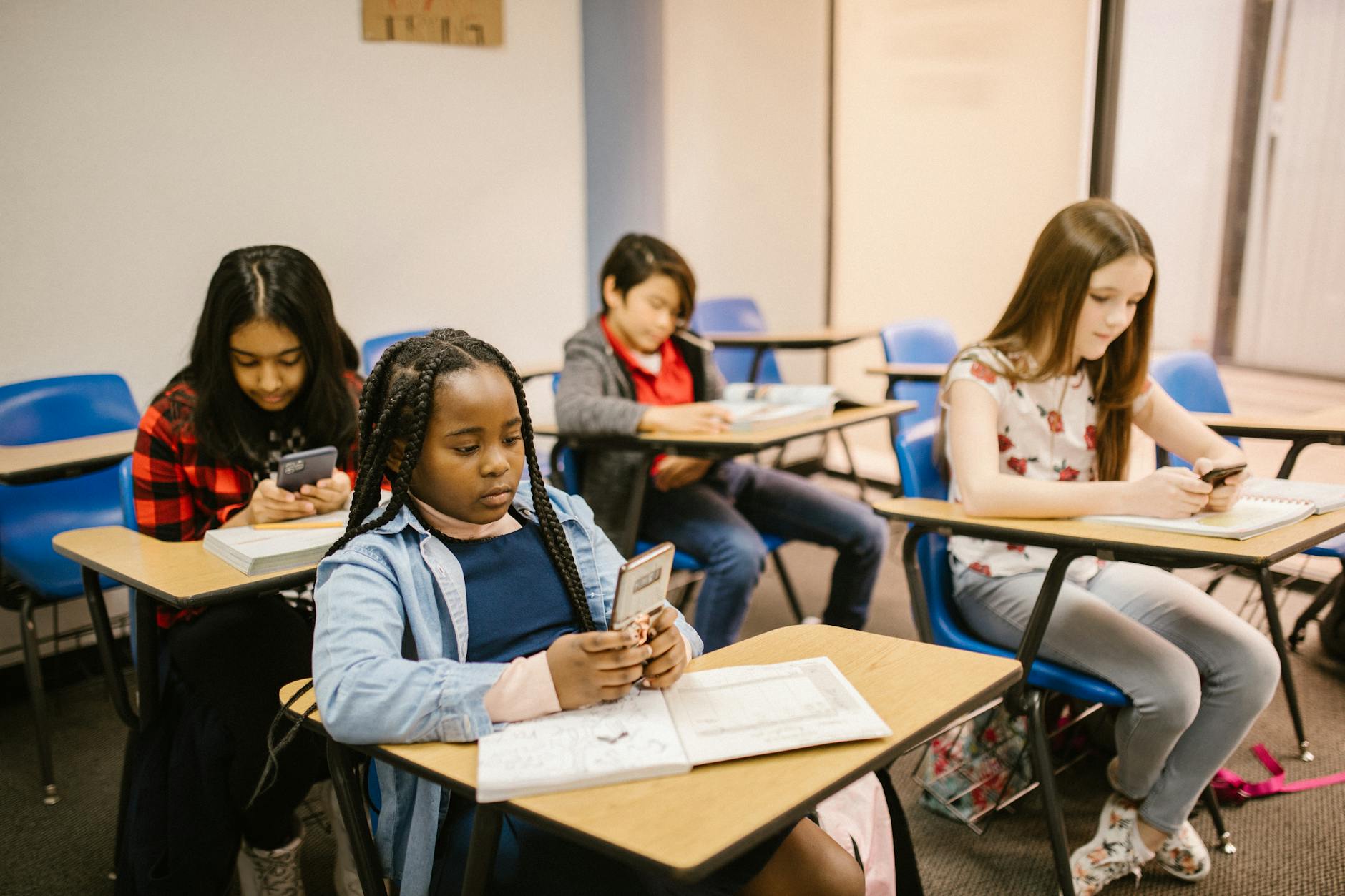
AI-generated influencers test Australia's ad disclosure rules
AI-generated influencers are testing disclosure rules as the ACCC’s influencer enforcement and AI monitoring converge on social media ads.
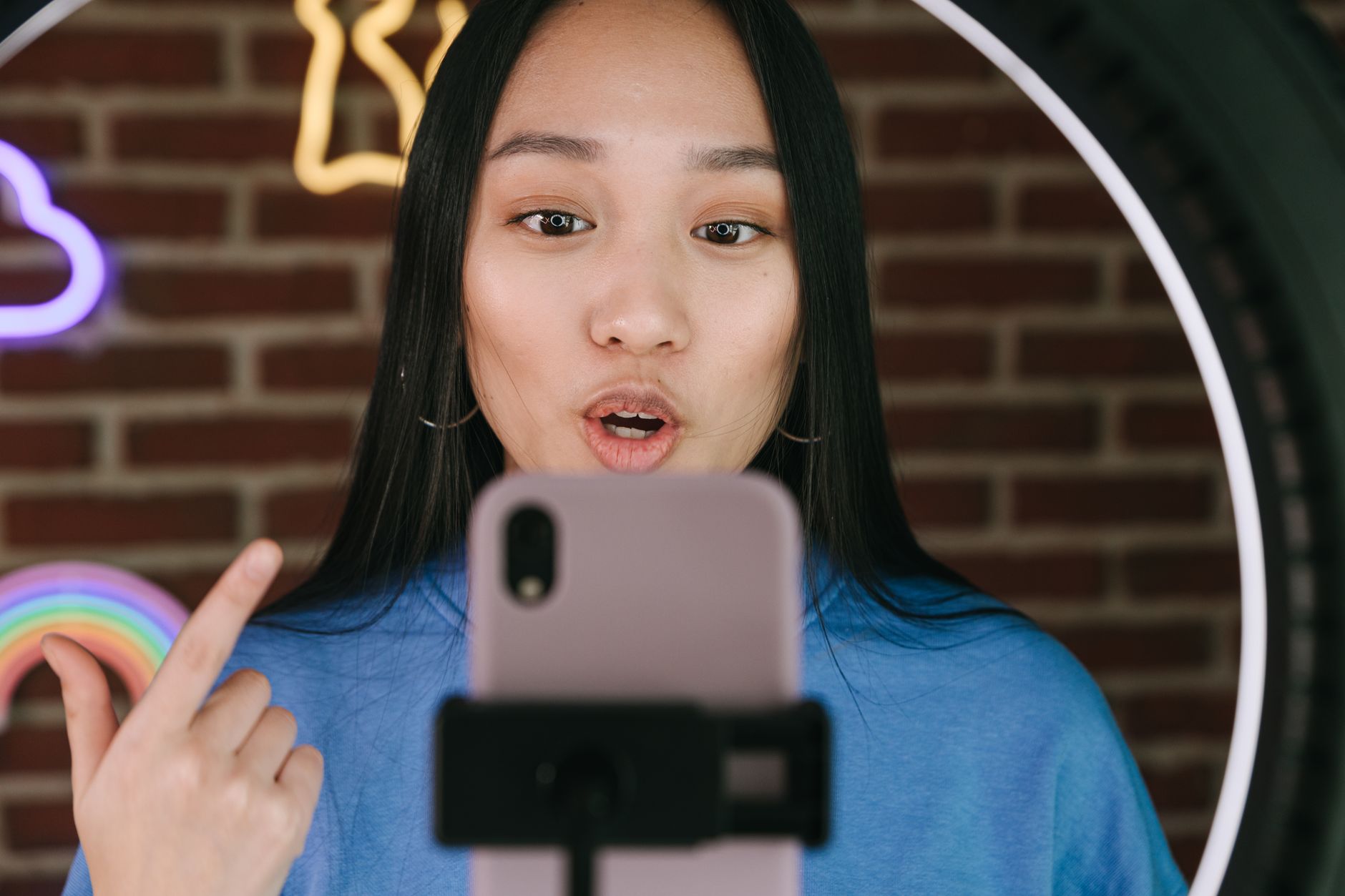
Brands are using AI-generated influencers and synthetic customer-style posts to sell products on social media, a Guardian investigation found. For Australian regulators, the issue is less exotic than the technology around it: can a user tell when a recommendation is paid for, machine-made, or both?
Australia already treats hidden influencer promotions as a consumer-law matter. There is no stand-alone rule requiring every AI-made social ad to carry a label, but the Australian Competition and Consumer Commission has penalised disclosure failures before. It has also said fast-moving AI markets need closer scrutiny. Together, those lines of enforcement turn the AI influencer trend back into a familiar advertising test. The post should make clear who is speaking and who is paying.
According to the Guardian, some brands are testing artificial personalities that look like creators or customers, even when the account or image is synthetic. The newspaper cited a Which? test in which 70 per cent of participants could not identify every real and fake video they were shown. That does not make every virtual influencer unlawful. It does make the labelling problem sharper, because the usual cues that tell viewers a post is sponsored or fictitious are easier to blur when the person on screen does not exist.
An ACCC enforcement action against PhotobookShop gives advertisers the clearest Australian warning. The regulator said the company paid $39,600 in penalties after allegedly sending 107 requests asking influencers not to disclose free products worth between $50 and $400. “Businesses must not mislead consumers by posting misleading reviews or failing to disclose when an influencer has been paid to create social media content, whether that payment is free gifted products or services, or money,” ACCC deputy chair Catriona Lowe said.
That case did not involve generative AI. The principle still travels. If a brand uses a synthetic influencer to mimic an independent endorsement, the risk may sit in the impression left with consumers rather than in the software used to make the post. An AI label will not do much work if the commercial relationship stays hidden or the post still reads like an ordinary customer’s review.
The ACCC has also kept broader AI transparency issues on its watch list. In a snapshot on emerging AI developments, chair Gina Cass-Gottlieb said the widening set of AI use cases warranted continued scrutiny from regulators and governments. “The continued rapid pace of developments in AI, and growing variety of AI applications, underscores the need for continued monitoring by regulators and governments,” Cass-Gottlieb said. The statement does not amount to a new rule for AI-generated advertising, but it puts synthetic social endorsements inside a live policy debate about unfair practices, opacity and consumer harm.
The disclosure gap is not only an Australian issue. The Guardian quoted an Advertising Standards Authority spokesperson in Britain saying UK rules did not prohibit the practice and did not require disclosure labels for AI content. For Australian brands, the safer reading is narrower: virtual influencers are not outside the rules just because the person is not real.
For platforms, agencies and marketers, the immediate job is operational. If AI-generated influencers become another format in the ad stack, the old disclosure questions remain. They just have to be answered faster, in-feed and at scale.

Marnie Blackwood
Regulation reporter on Privacy Act reform, eSafety, ACCC tech enforcement, and ACMA. Reports from Canberra.