Qantas, Airbus back Wildfire in $2m Brisbane SAF raise
Qantas and Airbus backed Wildfire in a $2 million raise as the Brisbane startup moves its waste-to-jet-fuel process towards commercial scale.
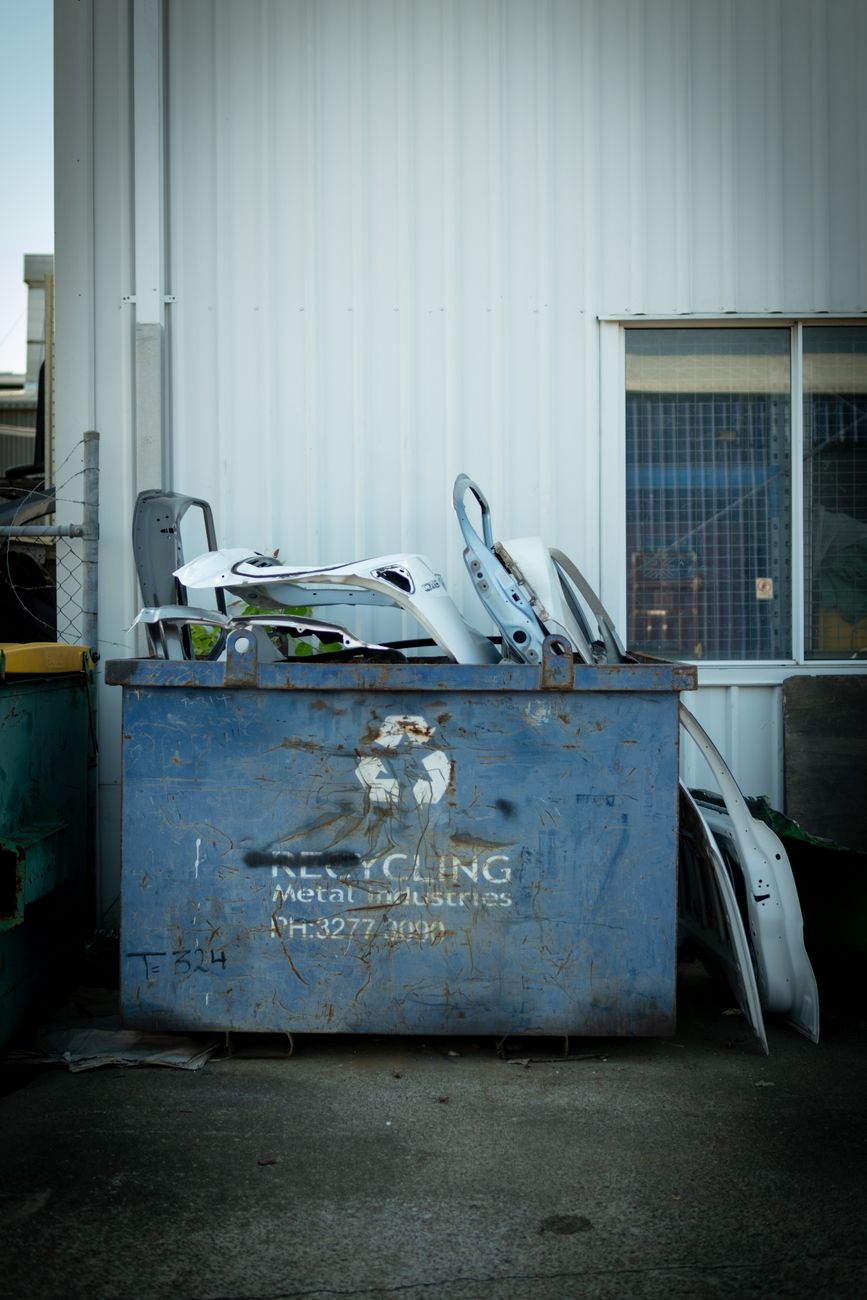
Wildfire Energy has raised $2 million from Qantas and Airbus through Climate Tech Partners’ aviation sidecar fund, giving the Brisbane startup fresh capital for its waste-to-jet-fuel process. The company says the money will help move work beyond an eight-year-old pilot plant near Brisbane and towards commercial production of sustainable aviation fuel.
Startup Daily reported that the equity round sits alongside $3.15 million in grant funding for the upgrade. Wildfire was founded in 2016 and says it was bootstrapped until 2022, while it worked on technology that can convert household rubbish and other low-value waste streams into fuel and chemicals. The Australian separately reported that Qantas and Airbus joined the backing. For a company still proving its process, that industry support may matter more than the size of the cheque.
Chief executive Greg Perkins told Startup Daily the commercial case rests on feedstocks that usually cost money to dispose of. That is the practical part of the pitch, in a sector where local fuel projects have often run ahead of local supply chains.
“Wildfire’s technology converts abundant negative value wastes into low cost sustainable fuels and chemicals, enabling local production to meet local demand.”
Greg Perkins, Startup Daily
Qantas and Airbus have been trying to build an Australian biofuels pipeline for several years. In 2022 the pair announced a joint investment to kickstart the Australian biofuels industry, saying domestic production would be needed if airlines were to reduce their reliance on imported fuel. Their participation now gives Wildfire validation from two companies that could buy, blend or help certify local SAF if the technology reaches commercial scale. It also keeps the story anchored in supply, rather than a generic climate-tech promise.
For airlines, that is a near-term problem. Sustainable aviation fuel remains scarce in Australia, and projects that can use local waste streams have to prove both the chemistry and the economics.
Airbus chief representative Stephen Forshaw put the investment in those supply-chain terms.
“Local SAF production needs to be brought online to reduce our reliance on imported fuels, which is why Airbus is backing innovations that will make its local production more efficient.”
Stephen Forshaw, Startup Daily
Wildfire is not there yet. The company is at scale-up stage, not full commercial production, and it has not said this round alone will put fuel into aircraft tanks. The funding does show that airline and aircraft manufacturers are willing to back domestic projects before they are ready to sell fuel, provided the feedstock story is credible.
ARENA chief executive Darren Miller said in a separate agency statement on local sustainable aviation fuel projects that Australia has the feedstocks and renewable resources to produce more aviation fuel at home.
“With abundant feedstocks and vast renewable energy resources, Australia is well placed to produce the sustainable aviation fuels we need, right here at home.”
Darren Miller, ARENA
For Wildfire, the next test is narrow and industrial: turn the Brisbane pilot plant into something strategic backers can one day source fuel from. In a selective climate-tech funding market, that is the piece Qantas and Airbus are now testing.

Jules Hartman
Startup reporter tracking the Sydney–Melbourne ecosystem, raises, and exits. Reports from Surry Hills.