YouTube widens deepfake likeness detection to all adult users
YouTube is opening its likeness detection tool to users aged 18 and over, widening a safeguard that started with celebrities and entertainment partners into a mainstream account feature.
YouTube is opening its likeness detection tool to users aged 18 and over, widening a safeguard that until now had been associated with a smaller pool of creators, celebrities and public figures. The rollout, described in YouTube’s help documentation and reported by The Verge, turns one of the platform’s more specialised deepfake defences into a mainstream account feature.
Behind the update is a simple product message: synthetic-media risk is no longer being treated as a niche problem for famous people. YouTube is packaging one response as a normal account control. Jack Malon, a YouTube spokesperson, told The Verge that the expansion means people “whether creators have been uploading to YouTube for a decade or are just starting” will be able to use the same protection.
Users who enrol are asked to submit a selfie-style facial scan so YouTube can look for videos that appear to use their face. In its support page, the company says the system works “similarly to Content ID”, except the scan searches for a creator’s likeness rather than copyrighted material. The tool is closer to a monitoring layer than a fully automated takedown system.
There are conditions attached. Identity verification can take up to five days, according to the same documentation.
YouTube also says a user’s likeness template and identity information can be stored for as long as three years after their last login, and that switching the feature off can take up to 24 hours to stop new matches from appearing. Those settings matter because the product asks users to hand over a biometric-style reference in exchange for extra protection against impersonation. For a platform pitching this as a mainstream feature, the privacy terms are part of the story, not a side note.
Earlier this year, the company framed likeness detection much more narrowly. In a March update, YouTube said it was expanding the technology to talent agencies, management companies and the celebrities they represent, with CAA among the early partners. Music Business Worldwide described that phase as an entertainment-industry safeguard.
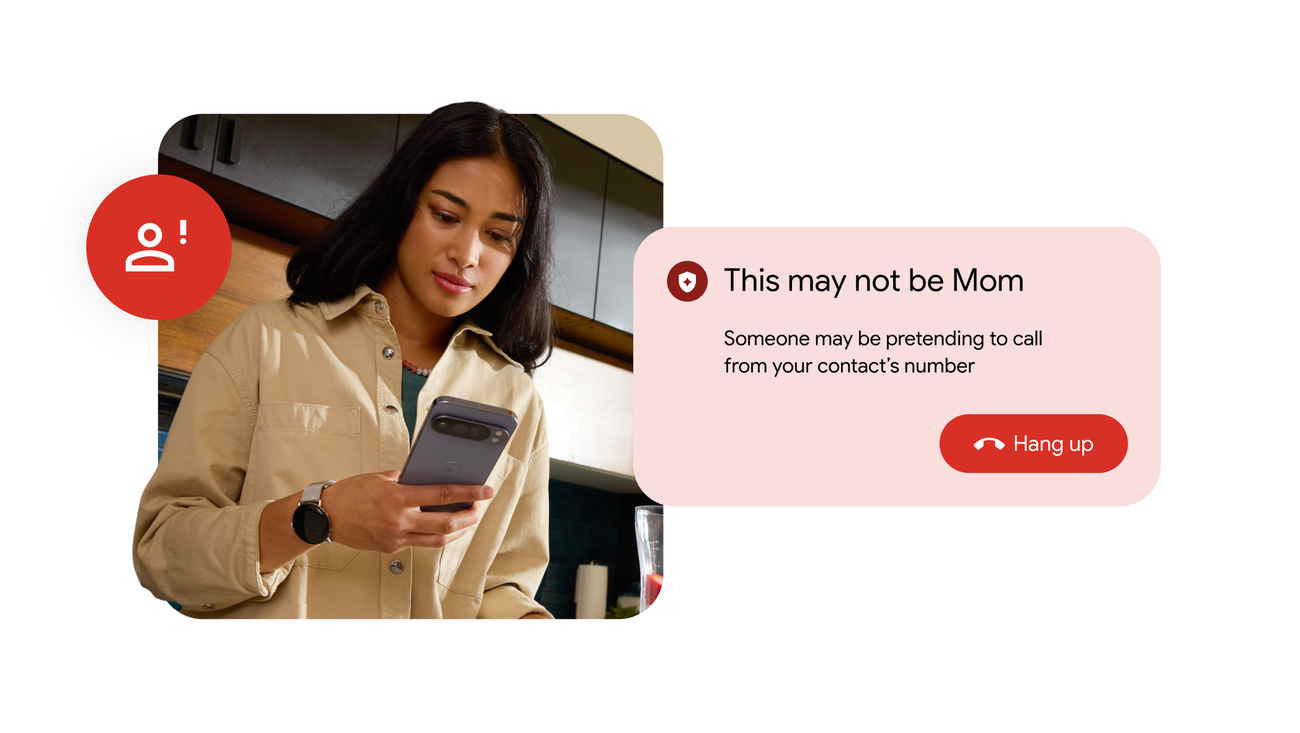
This latest step shifts who the product is built for. Instead of talking only about headline risks to stars and politicians, YouTube is setting up a workflow for smaller creators, business owners and everyday users who may want help tracking impersonation on the platform. The company is not presenting the feature as a guarantee that every synthetic clip will be blocked before it spreads.
For digitalblog’s audience, the Australian angle is practical. A creator in Melbourne, a musician in Perth or a sole trader in Brisbane now has access to the same likeness-monitoring option that was first promoted with US entertainment partners. YouTube has not described the expansion as a separate Australian policy move. Still, it shows how quickly deepfake defence is being folded into ordinary consumer product design as generative-video tools become easier to access. For users whose work depends on their face or voice being recognisable online, that is a concrete shift.
What began as a protection for high-profile accounts is being repackaged as a standard feature for adults using a mass-market video service. On YouTube, synthetic-media defence is beginning to function as part of the basic kit for running an account, not a special case. That is the point at which deepfake defence registers as ordinary product design.

Pip Sanderson
Reviews editor on phones, wearables, and the gear that lands in Australian shops. Reports from Melbourne.