Android deepfake call detection starts with Pixel phones
Android deepfake call detection is rolling out to Pixel phones as Google moves AI voice-scam checks into the Phone app on Android 12+ devices.
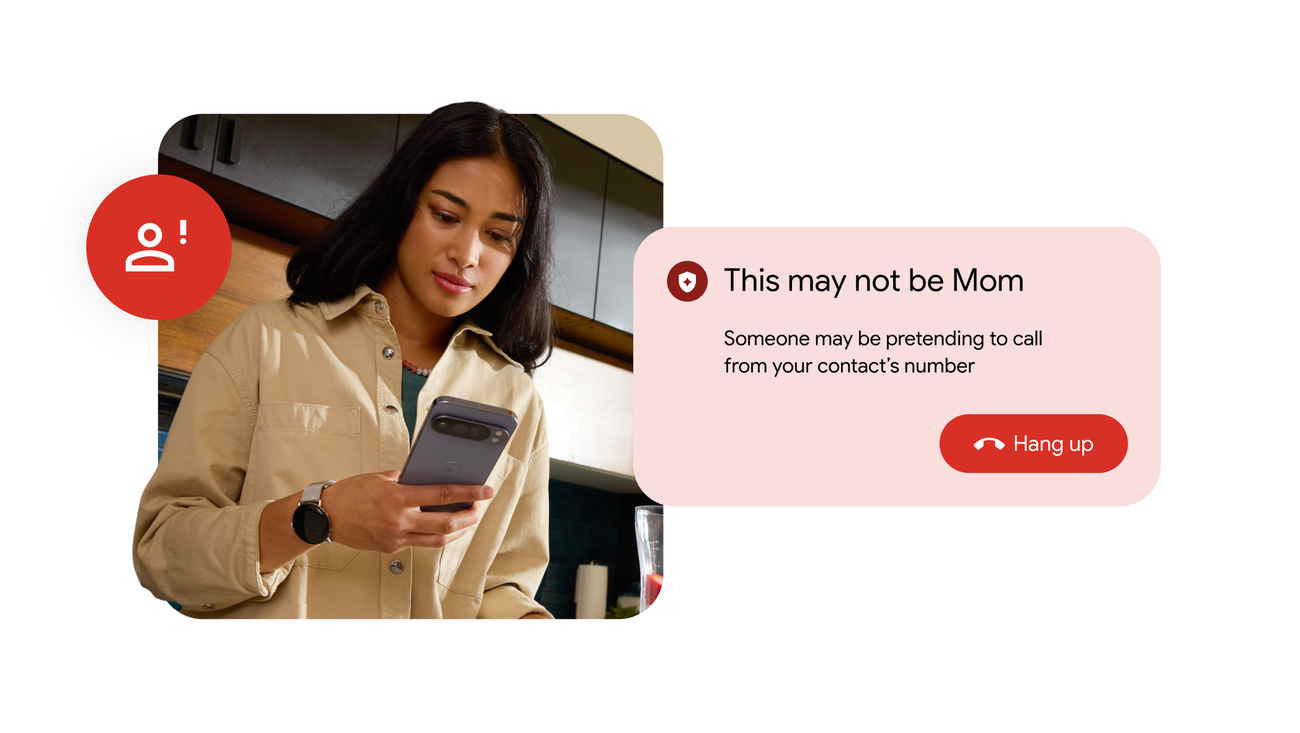
Google has started rolling out Android fake-call detection in Phone by Google, giving some Android handsets an on-device warning against AI voice impersonation scams. The global rollout begins this month with Pixel phones and applies to Android 12+ devices that use Google’s dialler, Contacts and Messages apps.
For a user caught by a caller who sounds like a child, parent or colleague, the timing matters. The pressure usually arrives before there is time to check another channel. This feature tries to move part of that verification into the phone itself, before the request turns to money, gift cards or account details.
Impersonation fraud was the frame Google chose for the launch. The company said consumers lost $US2.95 billion in cases tracked by the US Federal Trade Commission in 2024, and said AI voice tools have made it easier for criminals to mimic people already known to a target.
“This feature is on by default and works automatically behind the scenes.”
Google Security Blog
Under the hood, the Phone app looks for a confirmation signal from a trusted contact when a call arrives. If the signal is missing, the user can receive a warning that the caller may be attempting an impersonation scam. Google is keeping that process largely in the background.
How the Android check works
Because the feature sits inside Phone by Google, it is not simply a new setting for every Android handset. Ars Technica reported that compatible phones need Android 12 or later and Google’s Phone, Contacts and Messages apps. The first release is therefore much smaller than Android’s full installed base.
The company’s example is deliberately ordinary: a caller sounds like someone in the user’s contacts. The phone checks whether the call has the expected confirmation signal. Google described the missing-signal case this way:
“If a scammer tries to impersonate your trusted contact, that initial confirmation signal will be missing.”
Google Security Blog
Automatic does not mean universal. The feature still relies on Google’s app stack and a compatible handset, which is relevant in Australia, where Android users are split across Pixel, Samsung, Motorola, Oppo and other brands. Many of those phones ship with their own default dialler and messaging apps.
9to5Google reported that the rollout is linked to the Google Phone app and its caller-verification work, not a broad Android switch that appears immediately on every device. Pixel owners are likely to see it first. Wider access will depend on device support and app availability.
Why this matters now
Deepfake audio has pushed phone scams beyond suspicious numbers and stiff scripts. The threat is now a voice that sounds close enough to a relative, colleague or executive to make a hurried request feel plausible.
That is awkward terrain for platform vendors. The warning has to arrive when the phone rings. Once a user has opened a browser, banking app or support page, the scam may already be moving.
Fake-call detection also fits Google’s wider move toward default security. Scam alerts, passkeys, caller ID checks and message filtering tend to work better when people do not need to install another product or learn a new habit. This feature uses the phone’s existing contact and messaging context as the trust signal.
The limits are plain. A warning can help with one impersonation pattern, but it cannot judge every caller’s intent or verify every legitimate number. Scammers can also change tactics after a platform closes one route.
For now, the useful result is a visible pause when a call claims to come from someone the user trusts and the device cannot confirm the contact signal. For Android users, deepfake protection is starting to move from scam-awareness advice into the dialler itself.

Pip Sanderson
Reviews editor on phones, wearables, and the gear that lands in Australian shops. Reports from Melbourne.