South Australia $50m R&D fund gives startups a narrow win
South Australia $50m R&D fund targets startup commercialisation, but the 2026-27 budget offers a narrow form of relief.
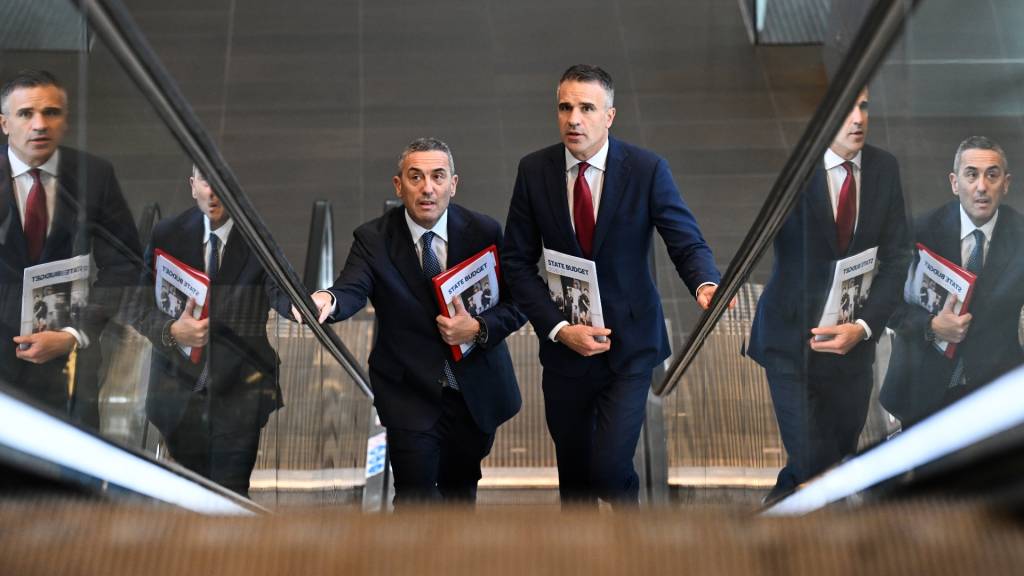
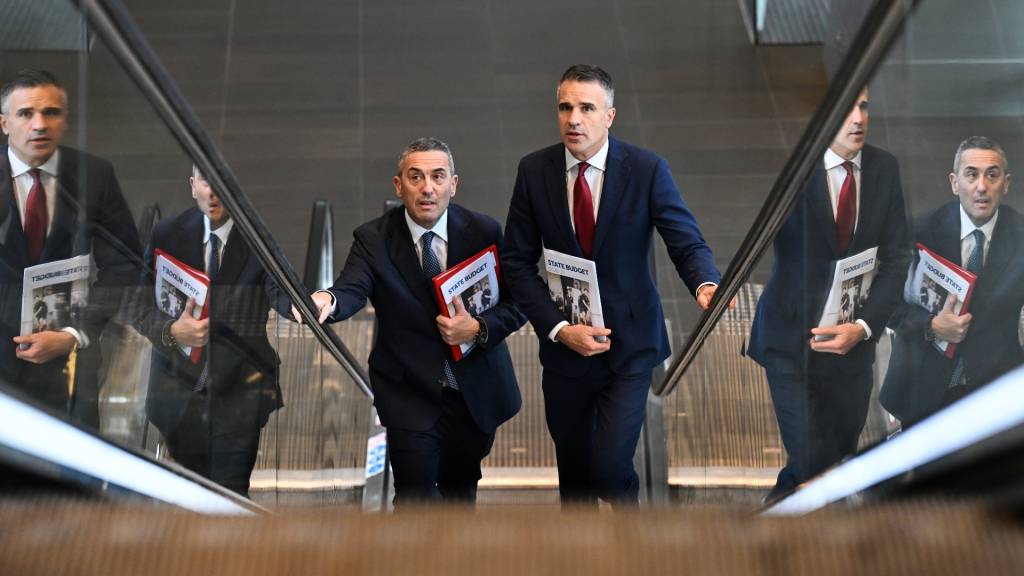
South Australia has set aside $50 million over four years for a new Research and Development Productivity Fund, giving the local startup sector one of the clearer technology wins in the 2026-27 state budget. The official framing is precise: commercialisation, collaboration and productivity, not a broad rebate for every small business dealing with higher costs.
That wording matters. Treasurer Tom Koutsantonis used the wider budget papers to argue the package would support growth and resilience, but the startup measure is narrower than the usual budget-day language about backing business. It picks a particular type of firm, at a particular stage, with a particular problem: getting research and early products into markets big enough to matter.
Startup policy analysts will see the trade-off quickly. The fund answers one question founders keep asking: whether governments still see commercialisation as worth funding. Another question is left open by paragraph three: whether targeted R&D money can compensate for a tighter national funding climate, paused grant programs and continuing arguments over tax settings for early-stage investors.
That boundary explains why startup-focused coverage of the SA budget has centred on the fund as the clearest small-business technology measure, rather than as broad operating-cost relief. The same distinction should shape how the program is judged.
A concrete win, tightly drawn
The fund sits inside an economy package the government says is worth more than $650 million. Its wording is not incidental. Budget papers describe the R&D fund as a way to back programs that can turn research into commercial products, strengthen links between universities and industry, and support businesses trying to reach national and global markets.

Budget officials put the measure in commercialisation terms, not relief terms:
The initiative will support high-impact programs, strengthen collaboration between universities, industry and government, and accelerate commercialisation.
State Budget 2026-27
This is not a general small-business rescue package. It does not read like a payroll-tax holiday, an energy-bill offset or a grants blitz for any firm with a shopfront. It is closer to an investment filter. South Australia is saying the startup and research-heavy companies it wants to help are the ones with the potential to lift productivity, attract follow-on capital and keep intellectual property attached to the state.
Against national policy, the design looks deliberate. The federal budget’s productivity agenda argues that changes to R&D incentives could unlock $400 million a year in additional R&D by young firms. South Australia’s version is smaller and more place-based. It is not trying to redesign the national tax system. It is trying to make the state a more credible place for founders who need labs, university partnerships, patient capital and customers.
Adelaide’s founders will notice the practical edge. A deep-tech company does not only need a cheque. It needs a university partner that will move at commercial speed, a government buyer willing to test a product, specialist staff and investors who believe the next funding round can be raised without relocating the company to Sydney, Melbourne or offshore. A targeted R&D fund can help with that, if the program is built around milestones rather than announcements.
Why the timing matters
The timing sharpens the policy signal because other parts of the support stack look less certain. Startup Daily reported in May that the federal Industry Growth Program had quietly paused new applications while uncommitted funding was redirected, putting one of the country’s larger commercialisation grant channels under review.
Angel investors and startup advocates will read that uncertainty differently from budget officials. They have warned that policy churn can make early-stage capital formation more fragile, not less. Cheryl Mack’s criticism of proposed capital-gains-tax changes, published as original analysis in Startup Daily, made the argument from the investor side: if the rules make direct angel deals less attractive, founders feel the effect long before a later-stage venture round appears.
On that reading, South Australia’s fund does not solve the bigger problem. It can improve the odds for a subset of companies that are already close enough to research or product commercialisation to qualify. It cannot create a liquid angel market by itself, fix federal tax settings or replace national grant certainty. State innovation programs often get judged by their announcement value rather than by whether they fill a real gap in the startup lifecycle.
Startup operators make a related point in plainer terms. Fishburners chief executive Carolyn Breeze has argued that Australia’s startup economy needs long-term support and infrastructure, not only short-cycle funding decisions, in a Startup Daily opinion piece about the depth of the startup support system. Applied to South Australia, the test is whether the R&D fund becomes a repeatable support channel or another program founders must learn, apply for and then watch disappear.
Koutsantonis framed the broader budget as a growth package in the official overview:
This budget delivers on our commitments, eases cost of living pressures and supports our economic growth by building a stronger, more productive and resilient South Australia for the future.
Tom Koutsantonis, South Australian Treasurer
For startups, the second half of that sentence is the useful part. In a tighter fiscal environment, narrow programs can be more defensible than general relief if they are tied to measurable outcomes. The harder question is what the government will count. Jobs created is one measure. Private capital attracted is another. Commercial licences, export sales and companies that stay headquartered in South Australia may be better signals.
The state policy bet
Canberra cannot be replaced by a state fund, and South Australia is not pretending otherwise. It cannot match federal R&D tax settings, and it cannot make global venture markets cheaper. What it can do is choose the sectors and institutions it wants to bind together, then put money behind the frictions that stop research leaving the lab.
In dollar terms, the fund is meaningful but not overwhelming. Over four years, $50 million can become another line item in a crowded support landscape if it is spread too thinly. Concentrated around a few high-potential programs, it could help South Australia answer a persistent founder complaint: governments like the idea of startups, but underfund the messy middle between invention and revenue.
Selection remains the risk. A narrowly designed fund will favour companies that can present as research-intensive, institutionally connected and productivity-friendly. That may be exactly the point, but it also means many software, services and small-business founders will see little direct benefit. For them, the budget’s innovation message may sound positive while still leaving rent, wages, customer acquisition and private capital as the real constraints.
Transparency is the obvious defence. If the fund is meant to back early-stage commercialisation, the government should publish the criteria, the size of awards, the sectors favoured and the follow-on outcomes. A programme designed to pull universities and industry closer together should show which partnerships produce companies, not only papers or pilots. A productivity measure should explain the pathway from grant or equity support to output that can be measured.
South Australia’s budget gives startups a win. It is a narrow one, probably by design. The state is not promising to make business cheaper for everyone. Instead, it is putting a modest pool of money behind research-led companies that might scale, export and stay local. In the current funding climate, that may be the more honest form of innovation policy. It is also the form that will be easiest to judge when the first recipients are named.

Jules Hartman
Startup reporter tracking the Sydney–Melbourne ecosystem, raises, and exits. Reports from Surry Hills.