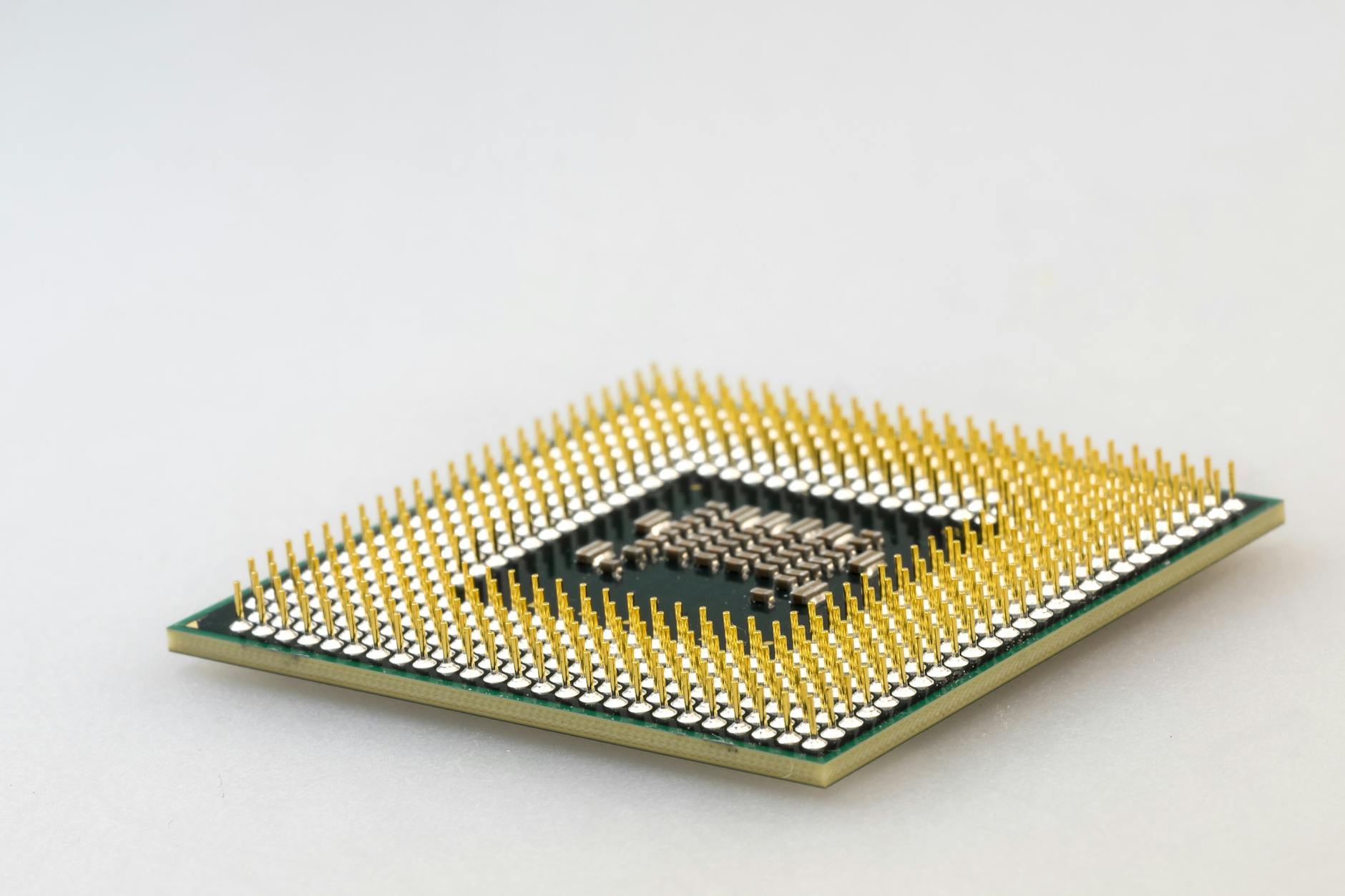
Samsung strike threat exposes fault lines in the AI chip boom
Samsung's planned 18-day strike shows how AI-era chip profits are widening pay divisions inside one of the suppliers underpinning enterprise AI infrastructure.
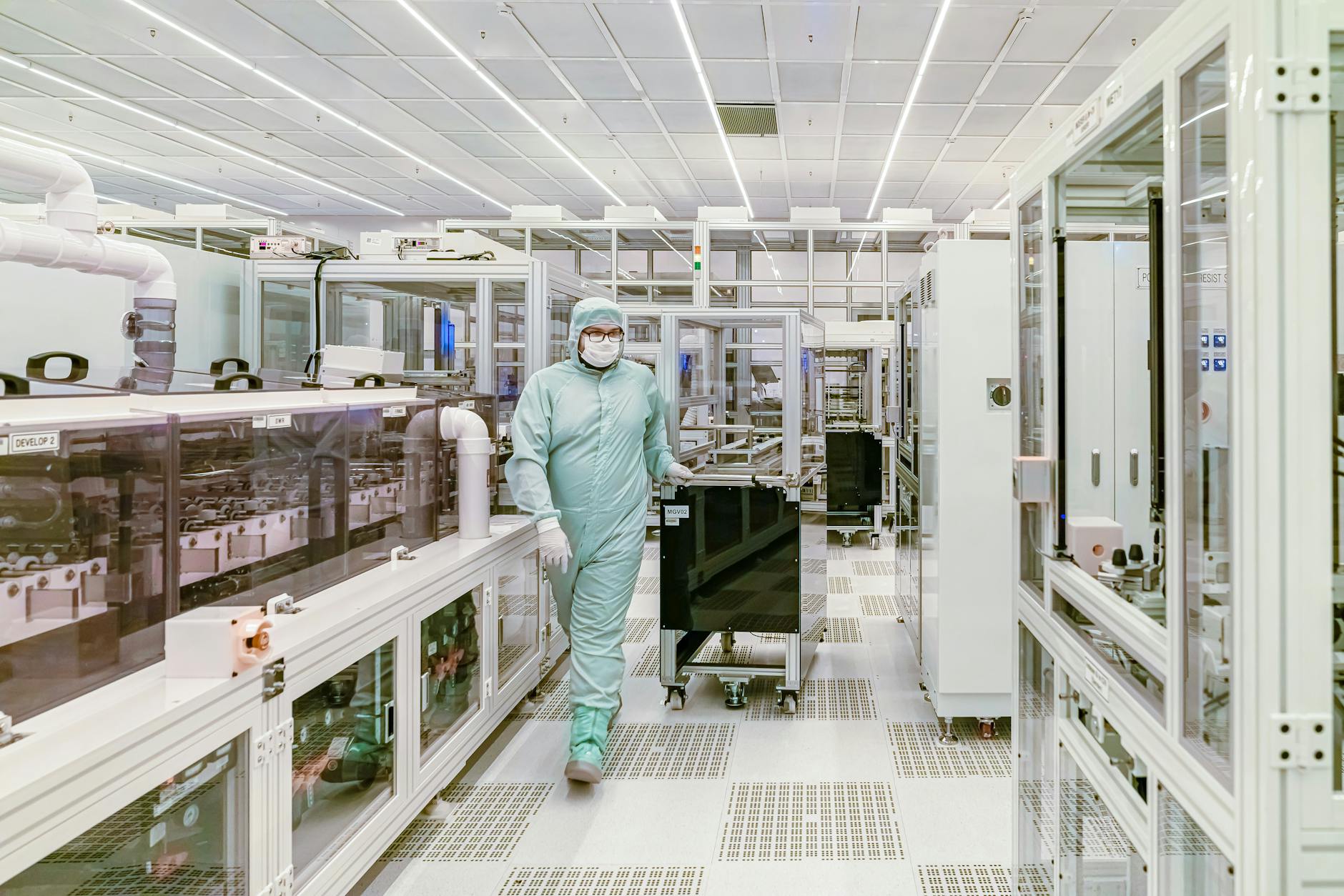
Samsung Electronics is heading into an 18-day strike threat just as the AI server build-out has made its memory business one of the most strategic links in the semiconductor stack. Reuters reported that more than 41,000 workers said they would join a general walkout, turning a wage dispute into a broader test of how evenly AI-era gains are being shared inside South Korea’s biggest corporate group. Union chief Choi Seung-ho was blunt: “The chip industry is booming, but those gains aren’t trickling down to us. That’s why we’re fighting.”
For enterprise technology buyers, this goes past Samsung’s HR department. Samsung supplies memory that runs through AI infrastructure at multiple layers, and the bonus fight has pulled open a split between the employees riding the high-bandwidth memory upcycle and teams in weaker businesses who say they are being asked to carry the same company through a far leaner reward system. Cloud operators, server vendors and corporate buyers already dealing with tight AI hardware planning now have another variable to track. Labour friction at a critical supplier is a reminder that the AI build-out still runs on factory floors and shift schedules.
The dispute has grown because the cycle’s spoils landed unevenly. Reuters reported that Samsung’s memory unit, riding AI-driven demand, awarded richer bonuses than the logic chip and device divisions. That gap matters inside a conglomerate that has spent years working to restore morale after chip setbacks, executive turnover and tougher foundry competition. When one unit is paid like the growth engine and another treated as a cost centre, a compensation debate turns into an argument about status, retention and who the company values.
Choi has pushed that argument into public view. In a second Reuters report, he said a prolonged strike would disrupt chip supply; the union’s demand would direct 15 per cent of operating profit into bonuses. Yonhap reported that government and company representatives proposed resuming wage talks, only for the union to reject the offer. Samsung then asked a court to block what it described as illegal strike activities, according to Reuters. The timing of this escalation is awkward against Samsung’s capital plans: The Korea Herald reported that Samsung intends to spend 110 trillion won on R&D and capital expenditure in 2026 — the price of staying competitive in HBM, advanced packaging and the wider AI supply chain. Big capex numbers make a bonus fight harder to finesse. Management argues that reinvestment is non-negotiable when Nvidia, SK Hynix, TSMC and major cloud customers keep raising the bar. Workers point to the same spending plan as evidence that cash is available when the company decides something matters.
The harder question is whether any of this hits output.
Reuters cited estimates that an 18-day strike could cut 21 trillion to 31 trillion won from operating profit if disruption reaches critical production lines. The final hit might land lower, but the headline alone explains why Seoul is paying attention. Samsung is a national industrial asset. Its memory roadmap shapes procurement decisions well beyond Korea.
The AI angle is more than backdrop here. Memory has become the scarce ingredient in many AI systems — especially servers built around accelerators that need large volumes of HBM and advanced DRAM. A company can announce new AI products, bigger model budgets, more datacentre builds. Those plans still depend on factories, engineers and shift workers delivering physical components on time. Samsung’s labour fight shows how quickly an AI growth story runs into the older realities of manufacturing, where pay systems and line staffing decide what ships.
A governance problem sits inside the strike as well. Korea JoongAng Daily reported that a senior presidential official had already called for excess chip profits at Samsung and SK to be returned to the public. Once a wage dispute merges with questions about national champions and industrial policy, management cannot treat it as a contained factory-floor issue. Investors start pricing execution risk and political risk together.
For Australian enterprise readers, the immediate effect is unlikely to show up as a sudden shortage on a distributor price list. The real read-through is planning risk. Local cloud buyers and CIOs budgeting for server capacity have spent two years learning that semiconductor constraints surface first in lead times and supplier leverage. Samsung’s dispute adds another pressure point. A partial slowdown is enough to keep buyers nervous.
Samsung said it would make its best efforts to conclude the 2026 wage negotiations amicably. That leaves room for a settlement before the worst-case scenarios materialise. Even so, the standoff has already punctured one tidy assumption around the AI trade: that strong demand and huge chip profits automatically keep the workforce aligned. At Samsung, the AI boom delivered cash, urgency and global relevance. It also exposed who feels included in that success — and who does not. For a supplier this central to enterprise AI infrastructure, that division now matters to the rest of the market.

Soren Chau
Enterprise editor covering AWS, Azure, and GCP in the AU region, plus the SaaS shaping local IT. Reports from Sydney.