OpenAI Guaranteed Capacity locks in AI compute access
OpenAI Guaranteed Capacity lets enterprise customers reserve one to three years of AI compute, making reliable access a premium service.
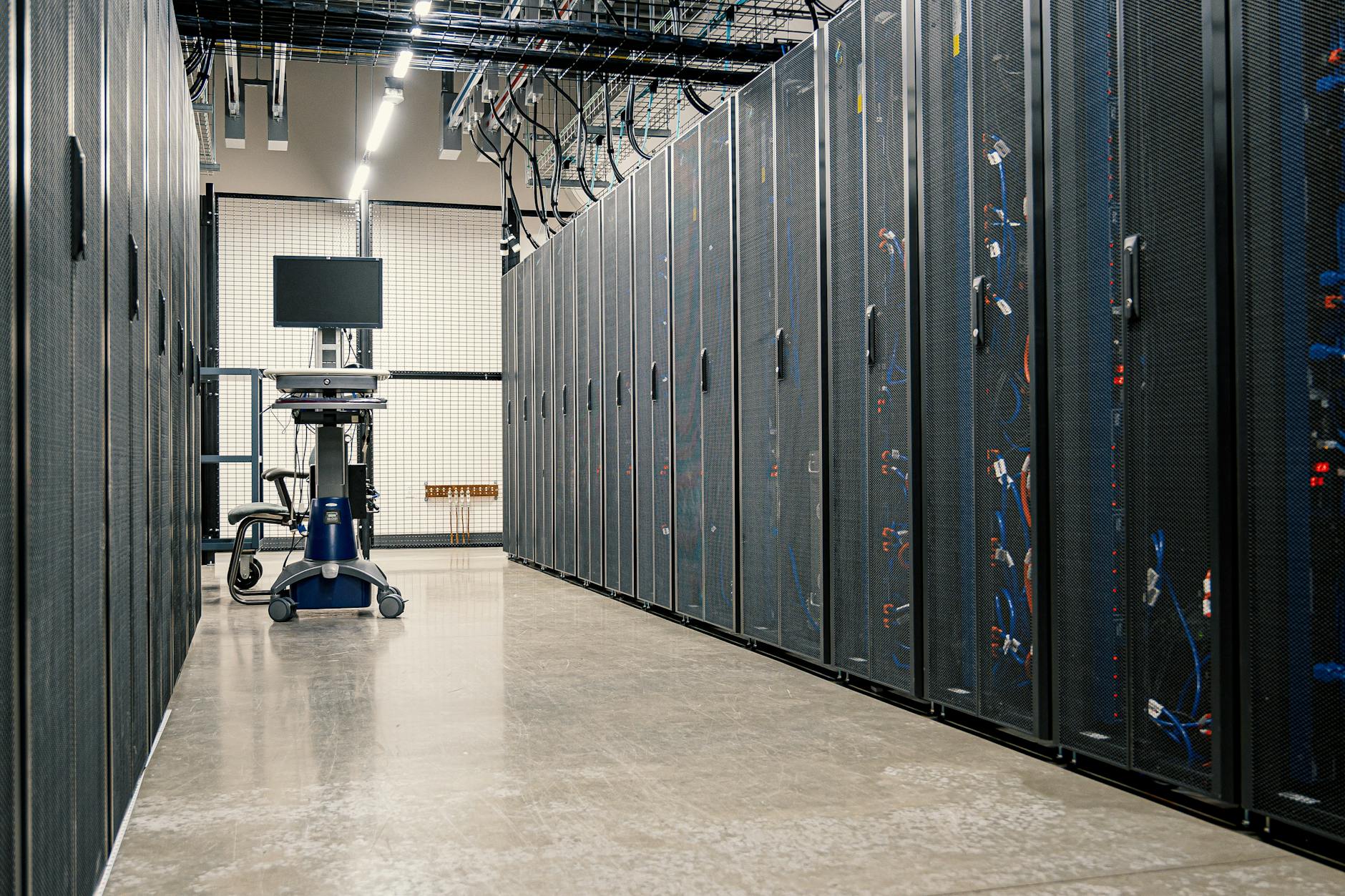
OpenAI has launched Guaranteed Capacity, letting customers lock in one to three years of compute access for products, agents and workflows. Reliability is now its own product line — a response to infrastructure pressure that has been building across every major model provider for the past eighteen months.
The company is pitching the plan to enterprise buyers. OpenAI’s product page describes Guaranteed Capacity as a service for organisations that need predictable access over multi-year terms. For Australian businesses building internal assistants, coding tools or customer-service systems on large language models, the offer moves some of the procurement conversation away from benchmark scores and toward a simpler question: can capacity be reserved when the system needs to stay online.
OpenAI chief executive Sam Altman told CNBC that customers have been pressing for more certainty as model use expands.
“Customers are increasingly asking us for certainty on capacity. As models get better, we expect that the world will be capacity-constrained for some time.”
— Sam Altman, CNBC
CNBC reported that Altman said OpenAI would keep enough capacity available for its own services, including ChatGPT and coding assistant Codex, even as it sells longer-term access to outside customers. The company is effectively splitting its supply: one pool for its consumer and developer products, another sold under contract to larger buyers.
OpenAI’s own description of the plan reads more like infrastructure procurement than a software upgrade. The company framed the service for customers running products, agents and workflows over one to three years, putting it closer to cloud capacity planning than a normal per-seat deal. Procurement teams and engineering leaders get a concrete question: how much throughput can we lock in, and for how long, before committing a core workflow to one model provider.
A secondary report from Investing.com described the launch in similar terms. Guaranteed supply is being sold as a long-term commercial commitment. Pricing and contract details were not made public, but the shape of the offer tells the story: compute certainty now carries enough standalone value to be priced separately from standard API access.
Why it matters for enterprise AI buyers
The announcement lands in the middle of a broader race for AI infrastructure. CNBC reported that OpenAI is targeting as much as $US600 billion (about $930 billion) in compute spending by 2030, and that private investors valued the company at $US850 billion (about $1.3 trillion) in March. Against numbers that size, treating reliable access as a premium line item starts to make sense.
The structure will look familiar to IT departments that already buy reserved cloud instances from AWS or Azure. The scarce input here is frontier-model compute rather than raw virtual-machine hours. Software teams deciding whether an AI feature can move from pilot to production now have to weigh capacity guarantees alongside cost and model performance.
For enterprise technology teams, which model scores highest on a benchmark still matters. But procurement conversations are starting to include a second variable: whether a supplier can promise access when an internal coding assistant, support bot or document workflow becomes business-critical. OpenAI’s Guaranteed Capacity puts that commitment onto the order form alongside security controls and per-token pricing.
Australian organisations buying frontier-model access from overseas providers have spent the past two years graduating from pilots to proof-of-concept work and early deployments. Reserved-compute products point toward a more operational phase: long-term contracts, capacity planning, and a willingness to pay for predictability when AI tools are tied to revenue, customer support or software delivery.
For local developers, the signal is similar. If guaranteed capacity becomes the premium tier for large buyers, smaller teams may need to think harder about which workloads can stay on shared access and which need firmer commitments. OpenAI kept the focus on contracted supply for enterprise use, which tells you where the company sees the market pressure sitting. The announcement is at least as much about infrastructure economics as it is about model features.

Asha Iyer
AI editor covering the model wars, AU enterprise adoption, and the policy shaping both. Reports from Sydney.