
eero 7 vs eero Pro 7 review: which AU mesh router to buy
eero 7 vs eero Pro 7 review for Australian buyers: the cheaper dual-band model suits smaller homes, while Pro 7 earns its premium on busier networks.
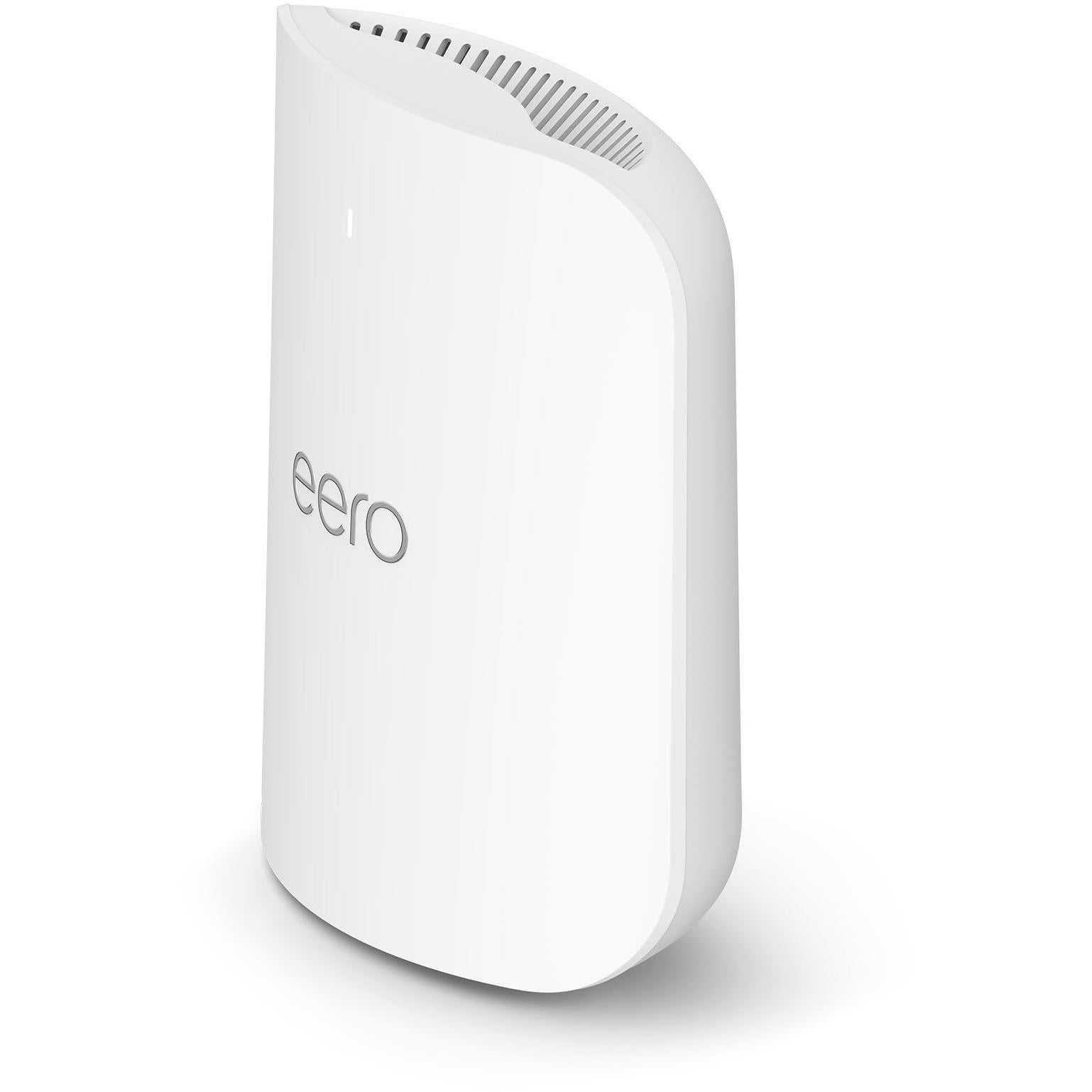
Amazon’s latest eero Wi-Fi 7 mesh pair is not a simple faster-or-slower split. For Australian buyers comparing the eero 7 line-up, the cheaper model is the sensible buy for apartments and modest family homes, while the Pro 7 is the tier worth stretching to when a house is larger, a broadband plan is faster or wired gear matters. Current local pricing puts a single eero 7 one-pack at about A$239 at Officeworks versus A$527 for an eero Pro 7 one-pack, a gap large enough that the flagship has to justify itself quickly.
Eero frames the launch differently. In its own announcement, the company casts the pair as a fuller Wi-Fi 7 family, with the base eero 7 pitched at accessible whole-home coverage and the Pro 7 aimed at heavier households and small-business use. That insider view matters because setup simplicity remains central to the brand, and ease of deployment is still one of eero’s clearest selling points.
Look at the same two-box family from an Australian checkout page, though, and the picture shifts. Independent reviewers at Reviews.org and WhistleOut treat the decision less as a branding exercise and more as a value test: does the dual-band model already cover what most homes need, or do the Pro 7’s tri-band design, 6GHz lane and 5GbE ports make the premium worthwhile? That tension, not the marketing, decides this comparison.
The short answer is clear enough. Buyers on a standard NBN connection, or anyone upgrading from ageing Wi-Fi 5 or early Wi-Fi 6 hardware in a smaller home, should start with eero 7. Buyers chasing longer-term headroom, faster backhaul and better odds of keeping performance intact as more devices pile onto the network should pay up for eero Pro 7. The catch is that both systems still inherit eero’s app-first philosophy, and that will not suit every power user.
What are the eero 7 and eero Pro 7, and what’s new?
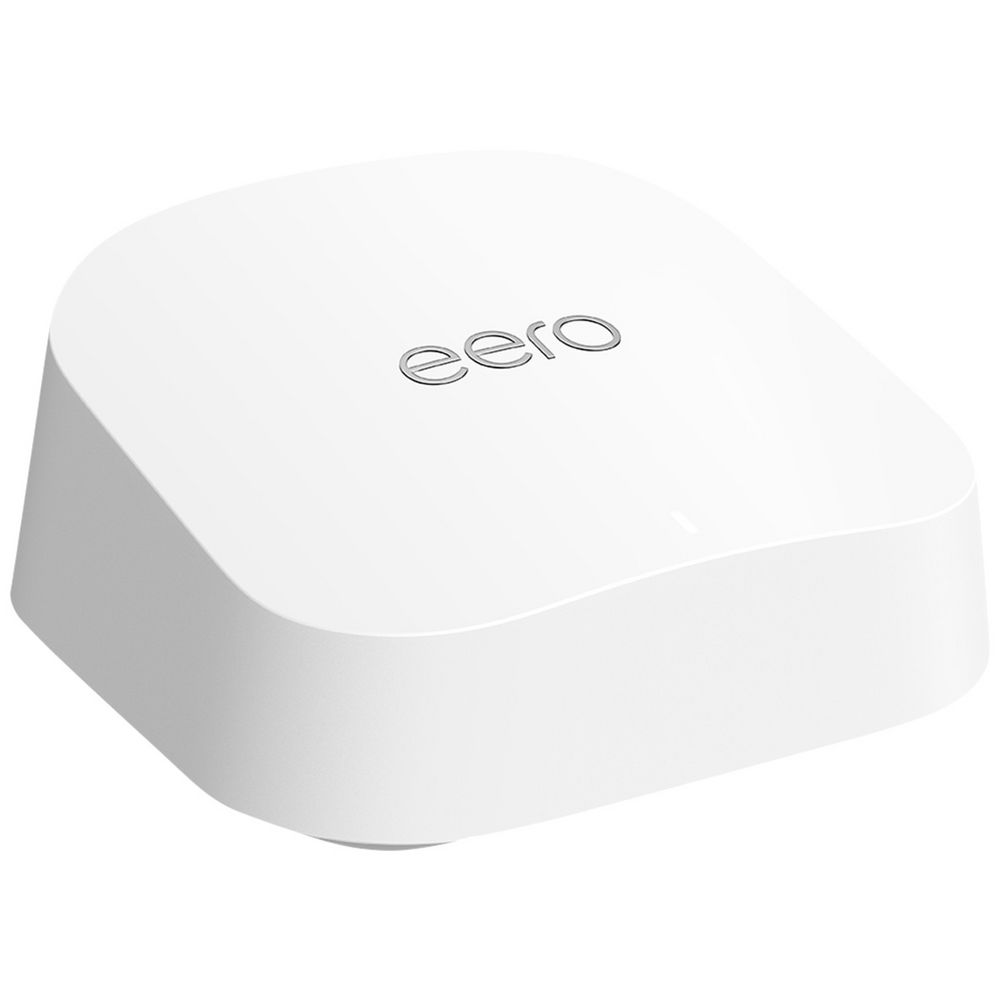
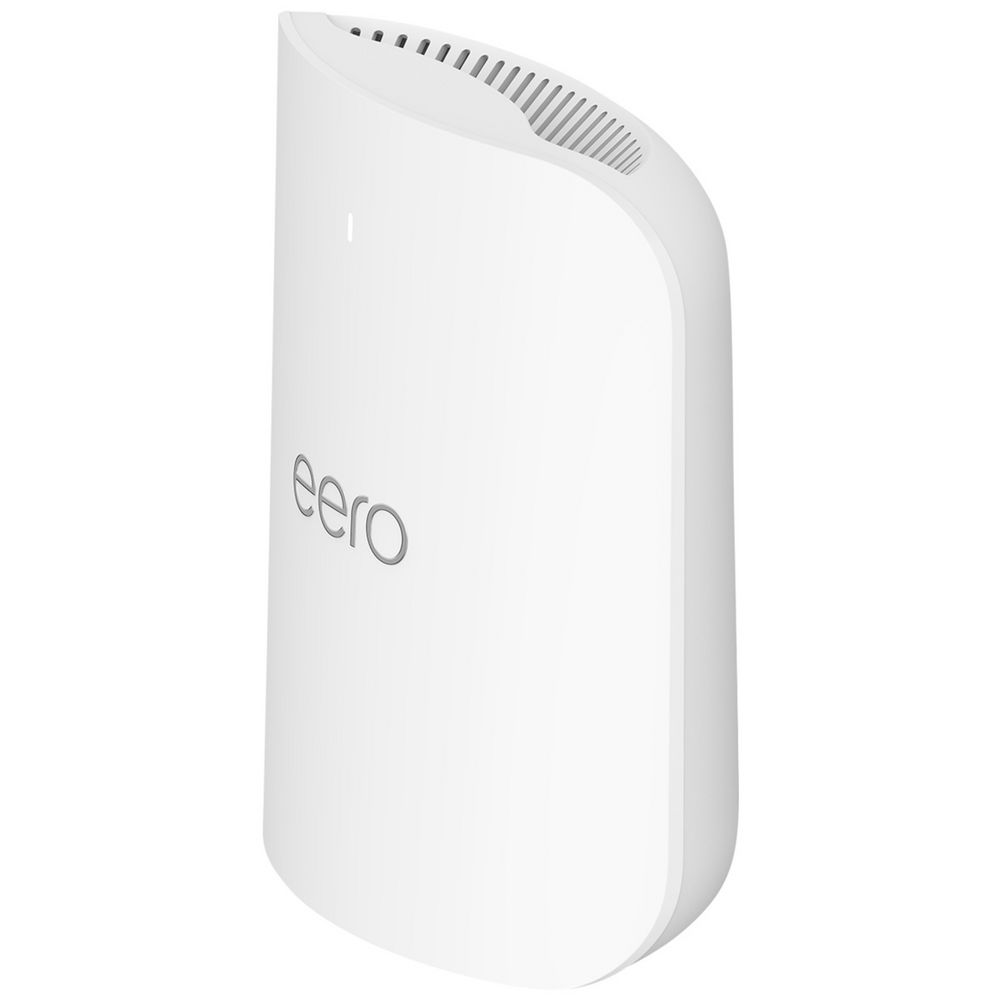
Both products carry the Wi-Fi 7 label, but the more useful change is that eero’s current family now spans a clearer budget-to-premium ladder. The dual-band eero 7 is the entry point; the tri-band Pro 7 is the model for homes that expect more from a mesh system than basic dead-zone cleanup.
That product-boundary question is where the insider and analyst perspectives overlap. eero chief executive Nick Weaver described the launch as a way to cover “the distinct needs” of customers across the line-up, which is accurate enough if the needs in question are budget, scale and throughput.
“Now we’ve got a full suite of Wi-Fi 7 devices to cover the distinct needs of our customers.”
— Nick Weaver, eero
The base model is the simpler proposition. The eero 7 is the cheaper dual-band system and the easier recommendation for buyers who mainly want a modern mesh kit, straightforward setup and a cleaner route into Wi-Fi 7 without buying a top-tier box. The Pro 7 is where eero starts making the futureproofing argument in earnest. The 6GHz band and 5GbE ports are the real dividing line — the Pro 7 is built for households more likely to notice the difference.
That makes the eero 7 less ambitious, but not automatically less useful. Reviews.org’s Australian review positions it as the sensible starting point for Wi-Fi 7 rather than a stripped-down compromise, and that framing lands because most buyers do not begin with a multi-gig home network. They begin with patchy reception in two rooms, too many devices on one router and a wish for easier setup.
“The Amazon Eero 7 is a great place to start with WiFi 7.”
— Nathan Lawrence, Reviews.org
The Pro 7, by contrast, is the model for the household that already knows why tri-band matters. That could mean a larger home, more simultaneous traffic, heavier use of wired devices or simply less tolerance for performance falling away once a network gets busy. It is the router pair’s more serious side, and it is also the point where the price climbs from reasonable to demanding.
How much do they cost in Australia?
For Australian buyers, price is the first filter and the most persuasive one. The cheapest live listing puts the eero 7 at A$239 for a single unit at Officeworks, while the same retailer lists the eero Pro 7 at A$527 for a one-pack. That is a jump of A$288 before buyers even begin thinking about multi-pack coverage.
The multi-pack gap is just as sharp. Officeworks lists the eero 7 three-pack at A$647 and the eero Pro 7 three-pack at A$1,197. For households that truly need whole-home mesh rather than a single-router refresh, the premium tier is nearly double the outlay. It is not a casual add-on.
JB Hi-Fi’s list pricing reinforces the shape of the decision even if it narrows the one-pack difference slightly. The retailer lists the eero 7 one-pack at A$299 and the eero Pro 7 one-pack at A$529. The Pro 7 still sits firmly in premium-router territory, while the eero 7 remains the model more likely to tempt buyers who would otherwise default to a single traditional router.
Does that price gap hold up on current Australian retail numbers? Only for certain homes. At A$239, the eero 7 has room to win on simplicity alone. At A$527, the Pro 7 has to earn its keep on capacity, futureproofing and the avoidance of an early second upgrade.
What’s it like to use day to day?
Set aside the spec sheets for a moment. In sourced hands-on reporting, the most consistent theme across both models is simplicity. eero’s appeal has long rested on easy setup and an app-led experience, and the independent Australian reviews broadly support the idea that the company still does the basics well. That matters more than benchmark numbers for households whose real problem is unreliable coverage, not bragging rights.

For the base model, that ease is the point. Reviews.org’s eero 7 assessment treats the product as an approachable entry into Wi-Fi 7 rather than a half-step to something better. In a typical Australian apartment or modest freestanding house, that is probably the right read. The buyer gets mesh convenience, newer wireless standards and a lower starting price, without being pushed into features the home may never exploit.
The Pro 7 reads differently in the same reporting. Reviews.org’s Pro 7 review frames it as a futureproof option, while WhistleOut’s take makes the price the obvious tension in the equation. Those two viewpoints sit well together. The Pro 7 sounds like the better box for demanding homes, but also the one that asks buyers to pay now for headroom they may not fully use on day one.
“The Amazon Eero Pro 7 is a great WiFi mesh system if you’re looking to futureproof your home network.”
— Nathan Lawrence, Reviews.org
The sceptic’s concern sits around that convenience. eero’s app-first model is clean, but it is not especially generous to buyers who expect deeper control by default. Engadget’s Pro 7 review points straight at the frustration of paying a premium for hardware and still being steered towards a subscription layer. That does not make the routers bad. It does mean the experience is friendlier for households that want networking to disappear into the background than for users who enjoy tweaking every corner of it.
That distinction matters in real homes. A busy household with smart-home gear, work devices, a fast fibre connection and some wired equipment may well prefer the Pro 7’s ceiling and live happily with the app approach. A smaller household that just wants stable Wi-Fi in the study, living room and back bedroom may find the eero 7’s lower buy-in more persuasive than any promise of futureproofing.
How does eero 7 compare with eero Pro 7?
The buying logic sharpens here. The eero 7 is the practical choice when the job is to modernise a home network without overspending. The eero Pro 7 is the better choice when the network itself is becoming a bigger part of the household’s daily load. The comparison is not really about whether Pro 7 is better. It is about how many homes actually need better enough to pay for it.

Category
eero 7
eero Pro 7
Wireless design
Dual-band Wi-Fi 7
Tri-band Wi-Fi 7 with a 6GHz lane
Product position
Entry point to eero’s Wi-Fi 7 range
Premium tier for heavier homes and small-business-style loads
One-pack AU price
A$239 at Officeworks; A$299 at JB Hi-Fi
A$527 at Officeworks; A$529 at JB Hi-Fi
Three-pack AU price
A$647 at Officeworks
A$1,197 at Officeworks
Best fit
Apartments, smaller houses, moderate device loads
Larger homes, faster plans, denser traffic, more futureproofing
Main compromise
Lower ceiling and fewer premium extras
Steep price and the same app-plus-subscription culture
What does the Pro premium actually buy? Not just a faster badge, but a more capable tier whose tri-band architecture, 6GHz support and 5GbE ports make more sense when a network is carrying a lot of simultaneous demand. Larger Australian homes, fibre users on faster plans, and households that increasingly treat the router as infrastructure rather than an appliance are the buyers who stand to get the most from the extra spend.
The eero 7 still has a strong case because Wi-Fi gear is easy to overbuy. Plenty of homes do not need premium mesh. They need coverage that works, setup that is painless and a cost low enough that the upgrade feels proportionate. The Reviews.org eero 7 verdict does not oversell the base model. It simply argues that starting with Wi-Fi 7 does not have to mean paying flagship money.
The Pro 7’s stronger argument is endurance. Buyers who know they will add more connected gear, care about faster backhaul or simply do not want to revisit the network question for years will find more comfort in the higher tier. This comparison ultimately lands on a split: the eero 7 is easier to recommend broadly, but the eero Pro 7 is easier to defend in a demanding house.
A rival like TP-Link’s Archer BE770 also helps explain the market. Wi-Fi 7 hardware is no longer a rarefied niche, but the best value still depends on whether a buyer prioritises wireless headroom, wired flexibility or pure price. eero’s edge is simplicity; the risk is that simplicity can look expensive once alternatives crowd the shelf.
What are the downsides?
The first downside is obvious and cannot be marketed away: the Pro 7 is expensive in Australia. At A$527 for a one-pack and A$1,197 for a three-pack, it has to outperform the ordinary needs of an ordinary home by a wide enough margin to justify nearly doubling the spend.
The second downside is that eero’s software philosophy remains a matter of taste. Buyers who want a network product to be clean, guided and largely self-managing will see that as a virtue. Buyers who expect broader native controls, or who bristle at the idea of a subscription shadow hanging over premium hardware, may see it as an unnecessary trade-off. The sceptic perspective is not about speed. It is about autonomy.
There is also a subtler downside for the base model. Its lower price is its strength, but it also narrows the reasons to choose it if a home is already on the edge of needing more. A buyer with a larger floor plan, faster broadband or a heavier device mix might save money upfront with eero 7 only to start wondering, fairly quickly, whether the Pro tier would have been the better long-term call.
Finally, this comparison has one sourcing limitation worth stating plainly: the available hands-on reporting supports strong pricing, positioning and guidance, but not a long list of lab-tested throughput data. That means the recommendation here rests where most buying decisions should rest anyway, on use case, price and the quality of the real-world reporting already available, rather than on theoretical maximums that many homes never reach.
Should you buy the eero 7 or eero Pro 7?
For most Australian buyers, the better default recommendation is eero 7. It hits the cleaner value point, it lowers the entry cost to Wi-Fi 7 and it appears, based on the sourced Australian hands-on reporting, to deliver the part of the eero promise that matters most: easy mesh setup without much drama. In apartments, townhouses and smaller detached homes, that is likely enough.
The eero Pro 7 is the model to buy when the home network is already under visible strain, or when the household knows it is buying for the next several years rather than the next sales cycle. That includes larger homes, faster NBN users, people with heavier wired and wireless demand, and anyone who would rather overbuy once than replace sooner. Its premium is real, but so is the gap in ambition between the two tiers.
Put more bluntly, the eero 7 is the smarter buy for buyers who are solving today’s Wi-Fi problem. The eero Pro 7 is the smarter buy for buyers who are trying not to have the same conversation again in two or three years. The wrong move is assuming that Wi-Fi 7 branding alone makes the dearer router the better purchase.
That brings the verdict back to the user-affected question at the centre of this review. Is the eero 7 good enough for a typical Australian home? Yes, in many cases it is. Is the Pro 7 worth the money? Yes, but only when the home, the broadband plan and the device load are substantial enough to make its extra headroom more than theoretical.
Where should Australians buy them?
Current Australian retail listings show Officeworks as the clearest value reference on both the eero 7 one-pack and the eero Pro 7 one-pack, while JB Hi-Fi lists both one-pack models for buyers who prefer a major consumer-electronics chain. For buyers comparing bundles, Officeworks also lists the eero 7 and eero Pro 7 three-packs, which makes it the better sourced checkpoint for whole-home pricing.
The safer buying rule is simple: start with eero 7 unless there is a concrete reason to need Pro 7. In Australia’s current Wi-Fi 7 market, paying for the better router only makes sense when a household is also paying for a network that can use it.

Pip Sanderson
Reviews editor on phones, wearables, and the gear that lands in Australian shops. Reports from Melbourne.


