Meta starts AI subscriptions at $US7.99 a month
Meta has begun testing paid Meta AI tiers from $US7.99 a month inside Facebook, Instagram and WhatsApp, testing whether consumer AI can deliver recurring revenue.
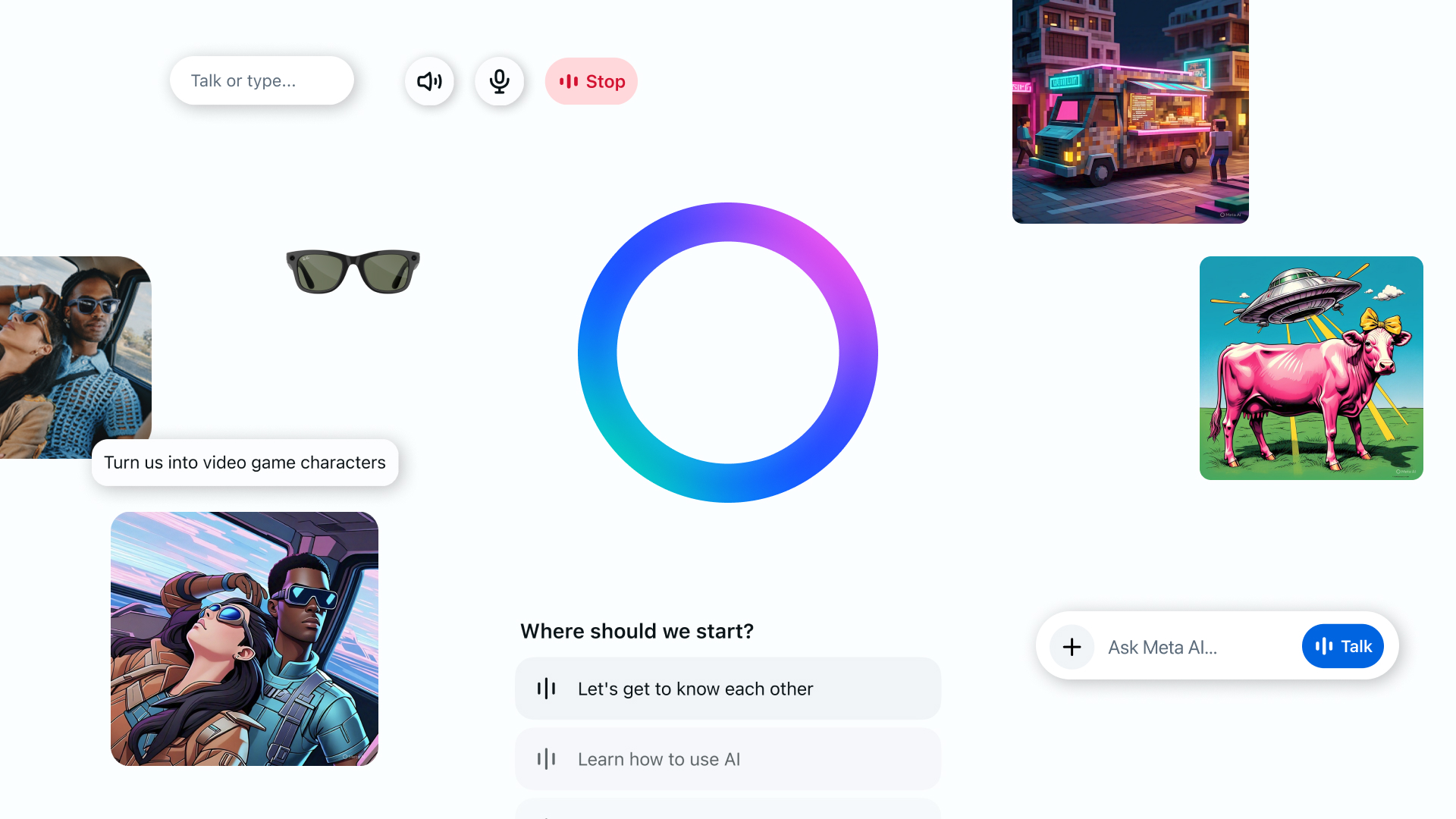
Meta has started testing Meta AI subscription plans from $US7.99 (about $12) a month, opening a new front in the generative-AI race: charging ordinary app users, not just businesses, for extra compute and features. CNBC reported Wednesday that the trial sits inside Meta’s existing consumer apps, giving the company a direct test of whether people who already use Facebook, Instagram and WhatsApp will pay for a higher AI tier.
The offer is part of a broader Meta One subscription package across Instagram, Facebook and WhatsApp and is being tested in three countries, according to TechCrunch and Meta executives. Instead of launching a separate AI product and hoping users show up, Meta is adding paid features to apps with established habits and huge audiences.
Naomi Gleit wrote on Instagram that Meta wanted to explore whether subscriptions could give users “more from your apps”. TechCrunch reported that she also described the plans as a way to unlock “more fun features”. The phrasing leaves open what those extras will be in practice, but it also shows Meta is still testing the bundle as much as the price.
“What if subscriptions could give you more from your apps?”
— Naomi Gleit, Instagram post
Meta One Plus costs $US7.99 (about $12) a month and Meta One Premium costs $US19.99 (about $31), CNBC reported. In comments reported by CNBC, chief executive Mark Zuckerberg said Meta AI could become “a subscription service so that people can pay to use more compute”. That frames the launch in blunt commercial terms. Running large AI services is expensive, and Meta is now asking whether a slice of its consumer base will help cover that bill.
“a subscription service so that people can pay to use more compute”
— Mark Zuckerberg, via CNBC
The tiering also lets Meta separate lighter users from people who want more usage or faster access without changing the free version for everyone at once. For rivals, the launch matters too. OpenAI, Google and others have already trained users to see advanced AI as something worth paying for, and Meta now wants to find out whether the same logic holds inside social apps.
From app feature to recurring revenue
Meta has spent heavily on AI assistants, recommendation tools and creation features across its products. A paid tier offers a cleaner way to recover some of that infrastructure spend while building revenue outside advertising. Bloomberg’s analysis of the launch focused on that pressure: Meta needs more than engagement if AI is going to become a business line large enough to justify the investment.
TechCrunch said Meta sees more paid offerings to come, including AI plans which suggests Meta One could become a home for future add-ons rather than a one-off bundle. For digitalblog readers, the bigger signal is retention. Meta needs mainstream users to keep paying month after month if consumer AI is to become a durable subscription business.

Asha Iyer
AI editor covering the model wars, AU enterprise adoption, and the policy shaping both. Reports from Sydney.