Apple weighs PrismML AI models to run Qwen on iPhone
Apple is evaluating PrismML's compressed Qwen models for iPhone, a step that could keep more AI processing on-device and reduce cloud reliance.
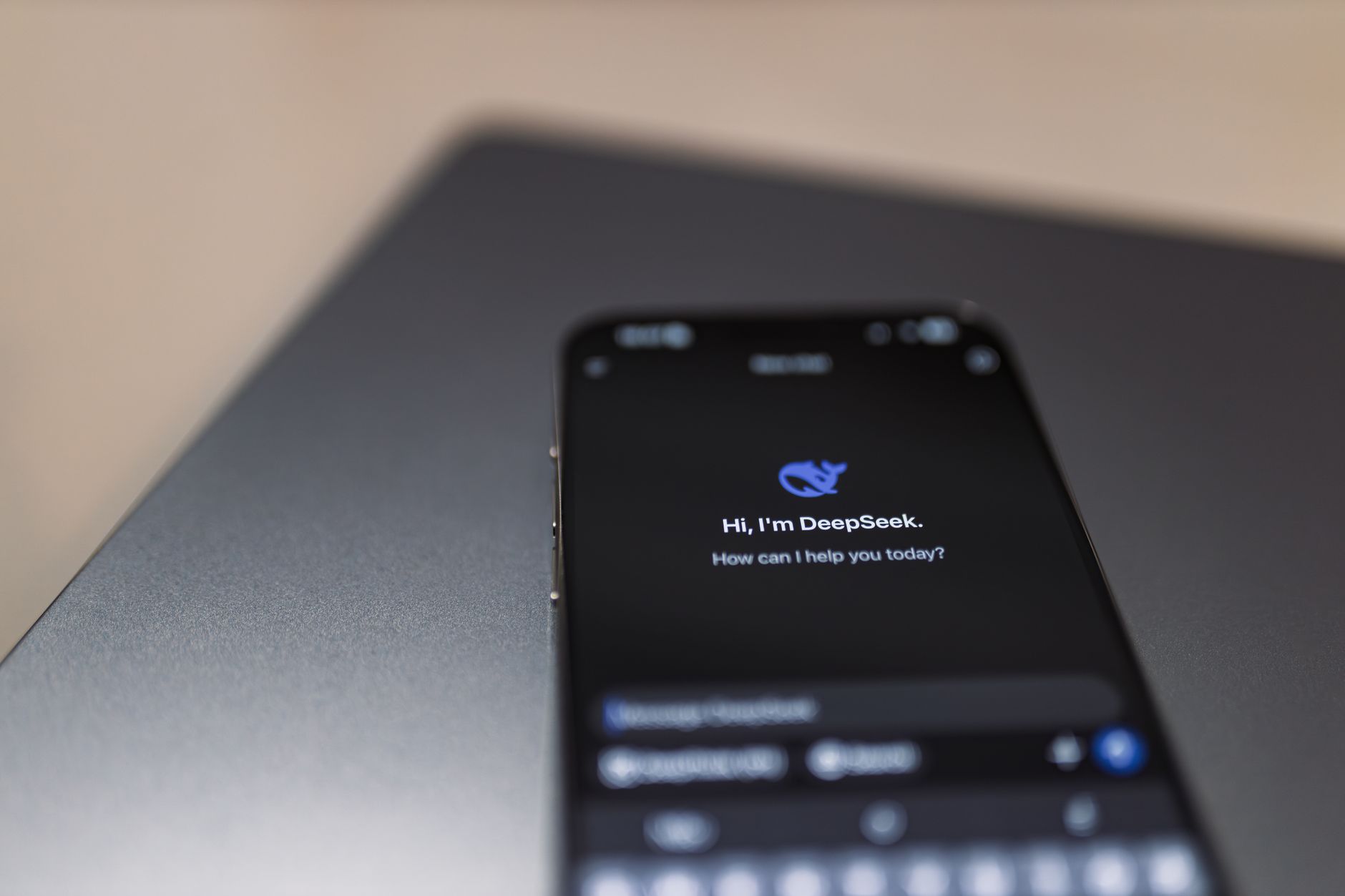
Apple is evaluating PrismML’s compressed AI models that could let Alibaba’s Qwen run directly on newer iPhones, as it looks for ways to keep heavier generative AI work on-device while it rebuilds Siri. CNBC, citing PrismML chief executive Babak Hassibi, reported that the startup says a 27-billion-parameter Qwen model can run on an iPhone 15 or newer after being compressed from 54GB to less than 4GB.
That is the gap Apple needs to close if it wants larger assistants on handsets rather than only in the cloud. A model of that size would normally sit beyond what a phone can hold in memory. PrismML’s pitch is that compression, not just a faster chip, can make the difference.
The talks are still an evaluation, not a deal. They do, however, give a clearer view of how Apple appears to be approaching AI on the iPhone: not by promising a cloud-sized model in a handset, but by testing whether compression can make larger assistants practical on hardware already in the market. For Apple, that is a product question as much as a research one.
Hassibi told CNBC that Apple is already looking at the technology.
“They’re really evaluating our technology right now,”
Babak Hassibi, CNBC
PrismML says its method can cut memory use by 10 to 15 times and make inference six to eight times faster. Those gains would matter for a device maker trying to reduce lag and limit how often user prompts leave the handset. Neither CNBC nor The Information’s earlier report on PrismML described independent benchmark results that verify the startup’s claims outside its own demonstrations.
The memory budget is the hard part. Even with trade-offs, getting a model from 54GB to under 4GB would move it from an obvious non-starter to something Apple can at least test on shipping hardware. CNBC said PrismML believes the compressed version can run on an iPhone 15 or newer, which would make the exercise relevant to current devices, not only a future flagship.
The Information reported last week that the Khosla-backed Caltech spinout had shown what it called the largest AI model yet to run on an iPhone. The outlet said PrismML had raised $US16.25 million (about $25 million) in seed funding in March. Read together, the reports suggest Apple is weighing a specific technical shortcut for running larger open models without waiting for a big jump in iPhone memory.
Why on-device AI matters
Running more model inference on the handset could help Apple on privacy, latency and cost. Less traffic to a remote cluster means fewer user prompts leaving the device, shorter waits for common tasks and lower back-end expense if the feature reaches hundreds of millions of iPhones.
That prospect is about more than speed. Each local request gives Apple a cleaner privacy story and avoids another cloud call. Model compression sounds like a niche research problem until the target device is the iPhone.
Carolina Milanesi, an analyst at Creative Strategies, told CNBC the local approach fits Apple’s long-standing product logic.
“The more you can do on device, the better it is,”
Carolina Milanesi, CNBC
It also fits the problem Apple is trying to solve now. The company has been under pressure to turn its AI push into something faster and more useful on the iPhone itself, rather than another feature dependent on remote infrastructure. A compressed model that can stay local would not solve every part of that challenge, but it would widen the range of tasks Apple could plausibly keep on the phone.
PrismML’s approach is not ready to be treated as a shipping Apple feature, and Apple may never use Qwen in a commercial product. CNBC framed the work as an evaluation, not a partnership or acquisition, and PrismML’s performance figures remain the company’s own. Running a model on an iPhone is also a different test from sustaining a polished assistant across battery, thermal and latency limits in consumer use.
The timing still matters. If compression techniques such as PrismML’s hold up under Apple’s testing, future iPhones could run a stronger on-device assistant without forcing every hard query back to the cloud. For Apple, that would be more useful than another AI demo: a practical way to make its privacy-first pitch work with larger models.

Pip Sanderson
Reviews editor on phones, wearables, and the gear that lands in Australian shops. Reports from Melbourne.