Meta's $50bn Louisiana buildout shows AI's bottleneck is power
Meta's Louisiana AI data centre is heading to 5GW and more than $US50 billion, making power, subsidies and capex the next AI battleground.
Meta has expanded its Hyperion campus in Louisiana to 5 gigawatts of planned compute capacity, pushing the project above $US50 billion (about $76 billion) and turning what could have been read as another AI buildout update into something larger. The scale Zuckerberg sketched out on 13 July looks less like a normal extension of Meta’s cloud footprint and more like an attempt to lock up industrial-scale power before that power gets harder, slower and more political to secure.
That matters because the revised figure is not a small revision. CNBC reported the campus had previously been pegged at about $US27 billion (about $41 billion). At the same time, US power use is forecast to hit record highs in 2026 and 2027 as AI demand rises, a reminder that hyperscaler spending is no longer just about chips and buildings. It is about substations, transmission, water and the patience of regulators and neighbours. The economics of AI are starting to look like infrastructure economics.
“able to scale up to 5GW over several years”
— Mark Zuckerberg, CNBC
From cloud capex to grid capex
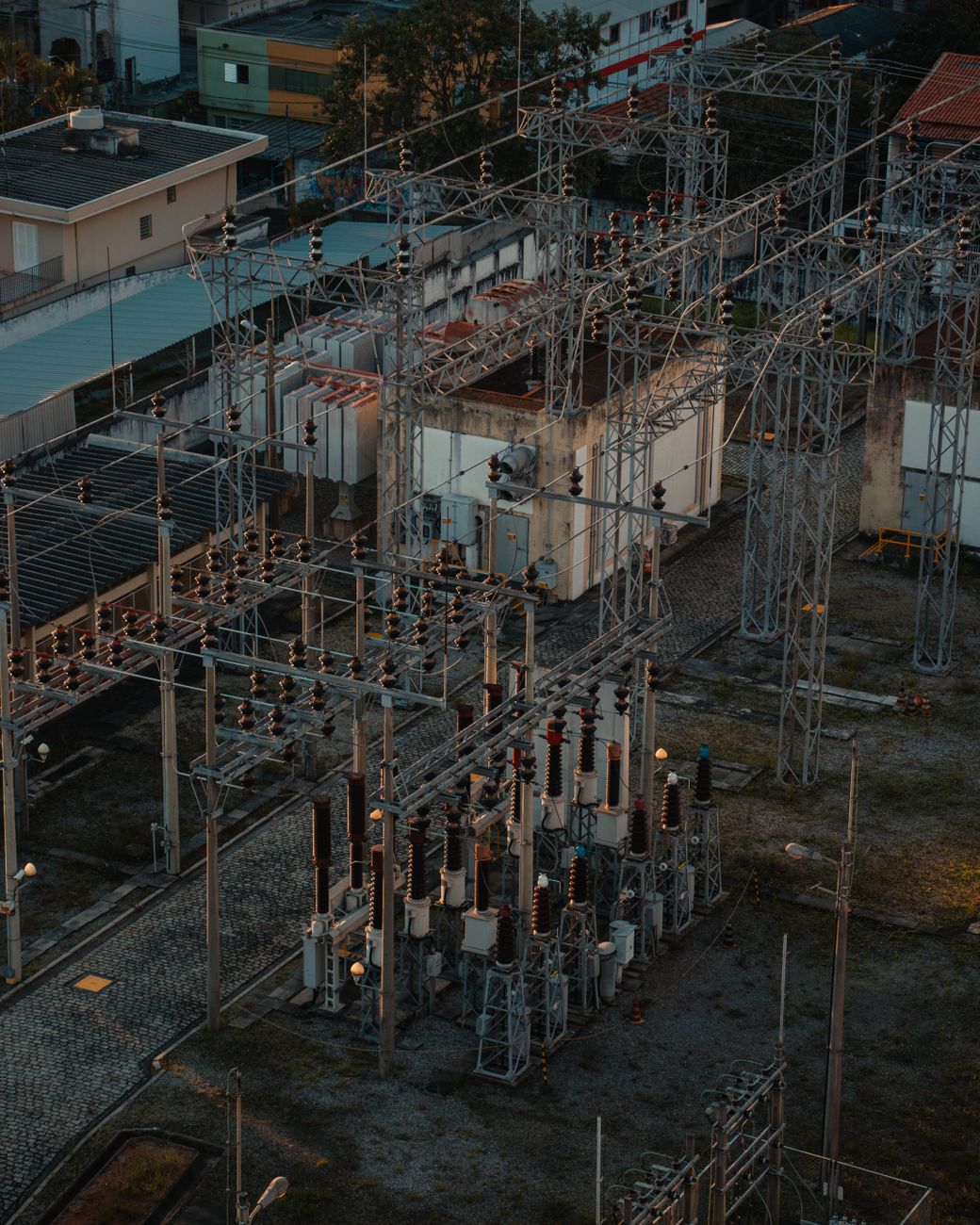
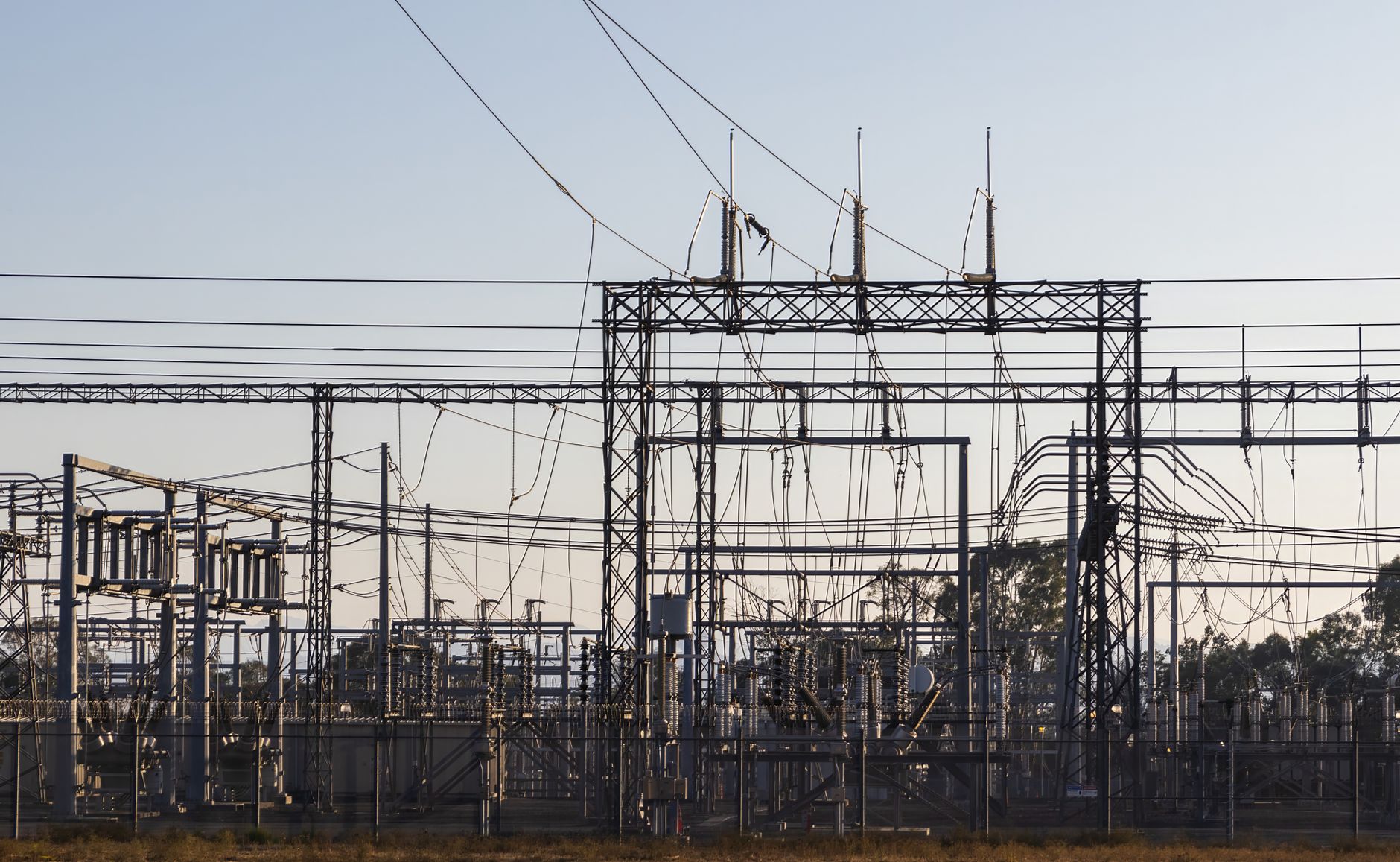
A 5GW campus is hard to talk about in software terms because it behaves like heavy industry. Meta is still buying GPUs, servers and networking gear, but the binding constraint increasingly sits outside the data hall. Power is the scarce input, which is why stories like Hyperion now rhyme more closely with generation and grid planning than with ordinary enterprise IT rollouts.
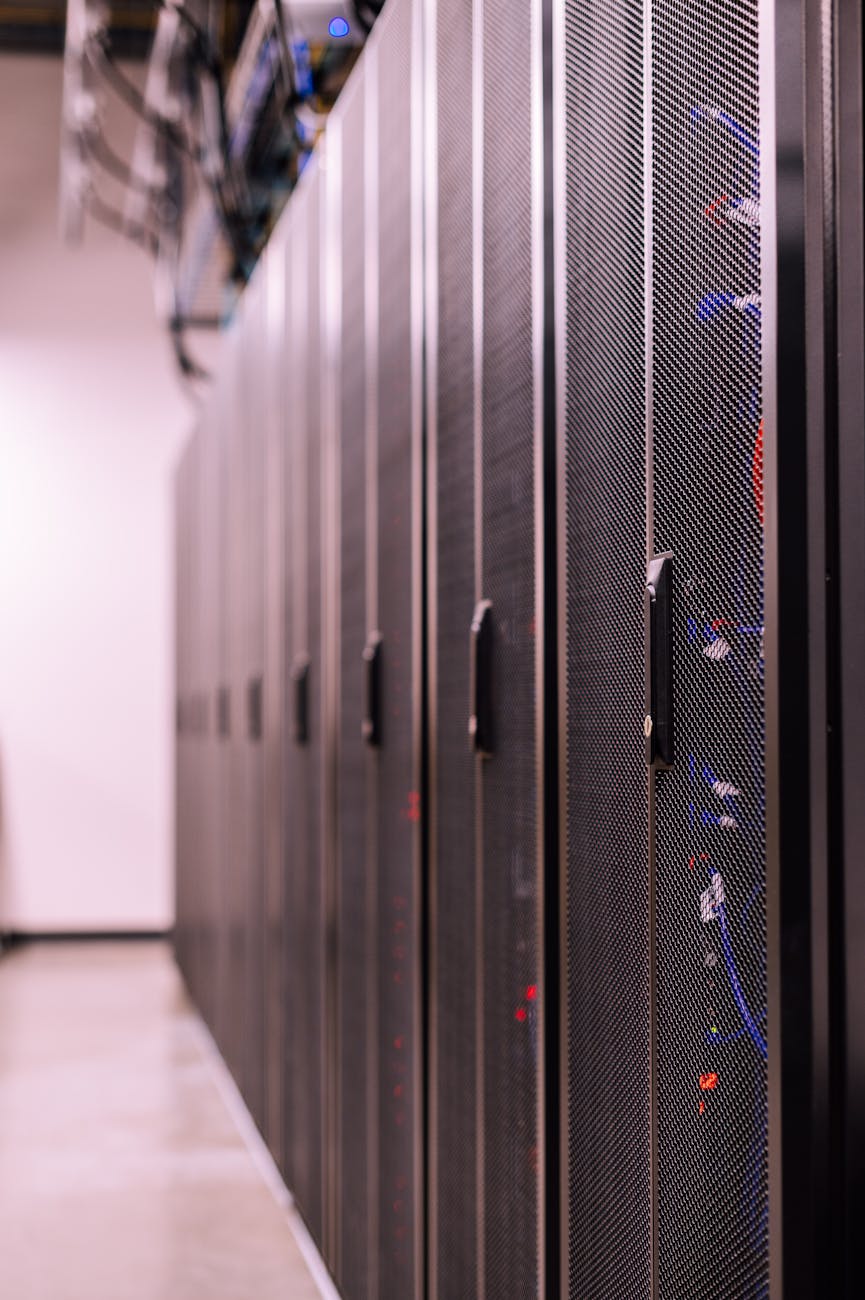
That is not unique to Louisiana. AP recently reported that a planned AI data centre in Cheyenne would use more electricity than all Wyoming homes combined. Reuters, citing the US Energy Information Administration, said commercial demand is overtaking residential demand as data-centre buildouts accelerate. Put those threads together and Meta’s Louisiana move looks less like an outlier than a market signal: the AI race is moving from model launches to who can secure physical capacity at the fastest pace.
The practical consequence is that Meta starts to resemble a utility customer, a property developer and a political operator at the same time. That is a different corporate posture from the one investors learned to value in the ad business. It also means every future AI headline is likely to carry a second question underneath it: where will the electricity come from?
Local carrots do not remove the politics
Meta and Louisiana officials are plainly trying to answer that question with local benefits. Business Insider reported the company has awarded $US1.6 billion (about $2.4 billion) in local contracts since work began and plans more than $US1 billion in roads, water and wastewater upgrades. In Richland Parish, the biggest talking point may be what that money looks like once it hits schools.
“Last year, our teachers received a $10,000 bonus, this year that check was over $50,000.”
— Sheldon Jones, Richland Parish school district superintendent, Business Insider
Those are not trivial benefits. They are also not the same as durable political consent. The broader fight against AI data centres is increasingly about land use, water draw, noise, tax treatment and whether local communities are subsidising projects whose economic upside may be narrower than promised. Teacher bonuses and infrastructure spending help Meta tell a friendlier story, but they also show how expensive it has become to keep these projects socially acceptable.
CNBC’s reporting on Louisiana tax incentives makes the same point from another angle. Hyperscale campuses now compete not only for power and chips, but for public-sector accommodation. Once projects reach this size, subsidies stop looking like marginal sweeteners and start looking like part of the capital stack.
The investor question is no longer abstract
For investors, the cleanest line in this story is the jump from roughly $US27 billion to more than $US50 billion. That is the kind of revision that forces a harder question than whether Meta is “serious about AI”. It clearly is. The more difficult question is what level of revenue, margin or strategic insulation a 5GW campus has to deliver before this spend looks disciplined rather than merely necessary.
That is why Hyperion matters beyond Louisiana. Ordinary cloud-era logic said the largest platforms could scale compute steadily and amortise the cost across mature software businesses. AI infrastructure is breaking that rhythm. Each new wave of capacity arrives faster, costs more and ties up more external infrastructure than the one before it. If Meta’s models, assistants and enterprise tools create durable demand, the spend may eventually look rational. If they do not, a campus this large becomes a monument to how quickly AI competition can inflate the capex base for everyone involved.
The teacher-bonus anecdotes, the tax incentives and the infrastructure promises should therefore be read as part of the same balance-sheet story, not as side details. They are all costs of building at hyperscale now. The campus is not just a data-centre project. It is a bundled bet on energy access, political goodwill and the belief that AI returns will arrive before the public or the market loses patience.
Why the story travels to Australia
For Australian tech readers, Hyperion is useful because it clarifies where the next bottlenecks sit. The conversation around AI still tends to centre on models, chips and product launches. Louisiana suggests the scarcer assets may soon be planning approvals, grid headroom, water and the willingness of governments to justify generous terms for private compute projects.
That has implications well beyond Meta. Cloud providers, enterprise software vendors and local data-centre operators are all watching the same input costs. If the global leaders are already spending utility-scale sums to secure AI capacity, smaller markets will not escape the pricing and policy consequences. They will feel them through power competition, infrastructure lead times and sharper debate over what counts as acceptable public support for strategic tech buildouts.
Hyperion, then, is not just a Louisiana project with a very large number attached to it. It is a reminder that the AI arms race is outgrowing ordinary cloud economics. The next phase will be decided not only by who has the best model, but by who can keep finding the land, power and political cover to run it.

Soren Chau
Enterprise editor covering AWS, Azure, and GCP in the AU region, plus the SaaS shaping local IT. Reports from Sydney.