Gilmour Space capital raise rides SpaceX IPO frenzy
Gilmour Space capital raise plans show how SpaceX's IPO is pulling more attention into Australian deep-tech, but launch execution still sets the limit.
Gilmour Space says investor interest has surged since SpaceX’s record June IPO, giving the Gold Coast rocket maker a rare chance to test whether Australian capital will follow a global enthusiasm for launch businesses. The useful question is practical: can that public-market halo help an Australian rocket company close what could be its biggest round yet, without letting the hype outrun the work still sitting on the launchpad?
The bet is already visible in Australian Financial Review reporting. Adam Gilmour is back in the market for fresh money, with an earlier AFR report putting the target at about $300 million. A round of that size would materially exceed the company’s prior Series E valuation of $1 billion and $217 million raise. It would also land as Australian founders are finding growth capital again, albeit in a market that still prefers a clear narrative hook.
Seen from different angles, the same evidence tells different stories. Investors can read SpaceX’s float as a new ceiling for capital-intensive space businesses. Gilmour’s management has to turn that attention into cash for launch vehicles, satellites and a working spaceport. Sceptics will ask whether a borrowed halo can survive slow launch cadence, logistics friction and the expense of building sovereign launch capability in Queensland.
The SpaceX halo is opening wallets
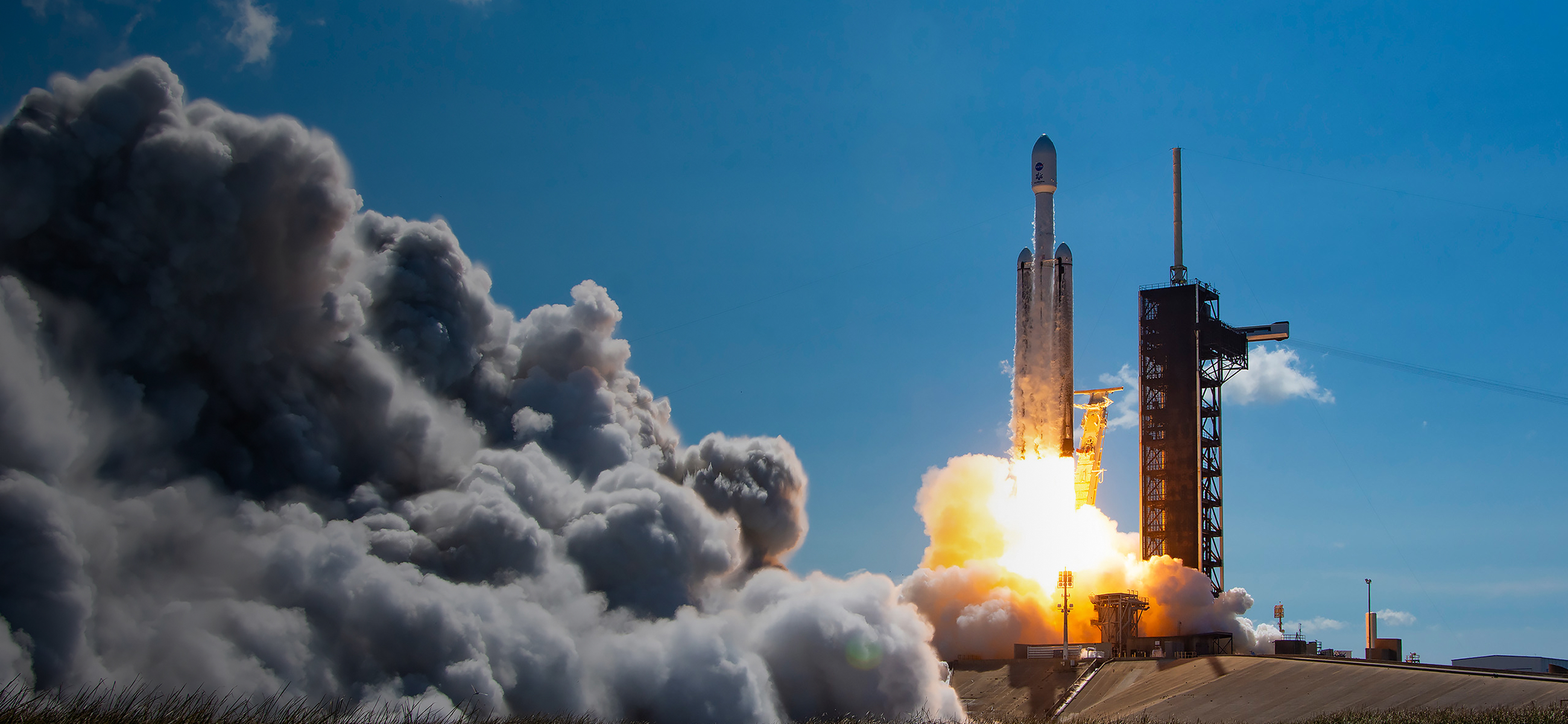
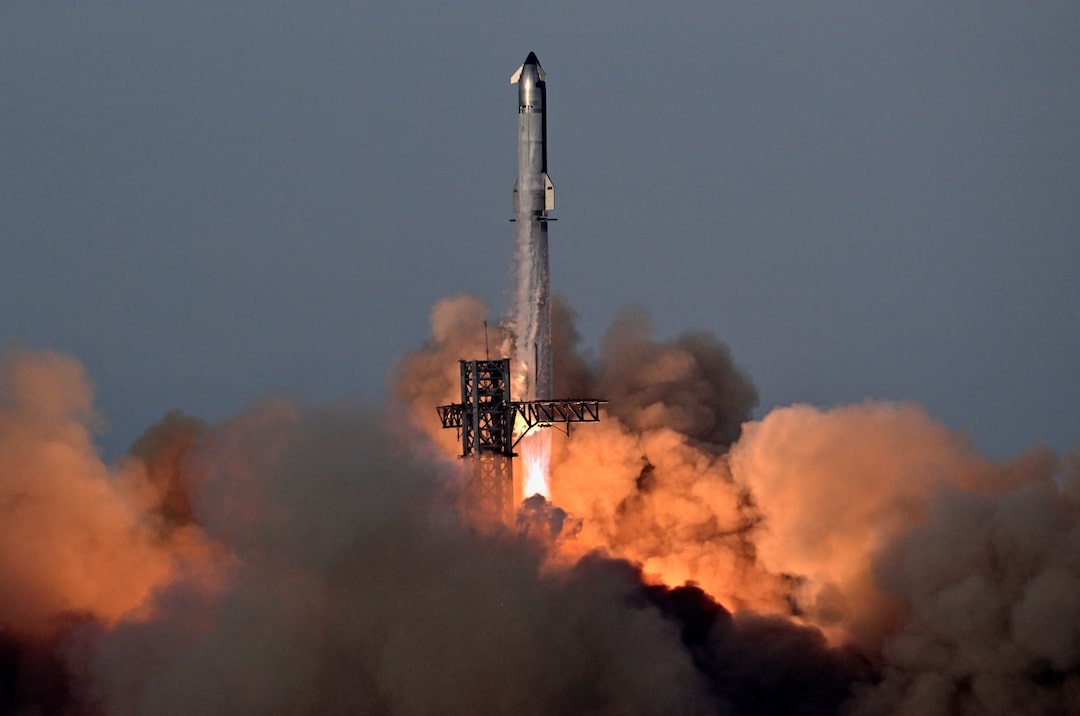
Timing helps the bullish case. Gilmour is pitching into a market that has just watched SpaceX raise $US75 billion, about $115 billion, at IPO, then trade at still higher levels as investors treated the stock as a proxy for commercial space at scale. In that setting, a local launcher can plausibly argue that Australian backers no longer need a long tutorial on why rockets matter. SpaceX has already done the market education.
AFR’s latest reporting says the company has been fielding more interest as that backdrop has shifted. Adam Gilmour’s own line was blunt enough to capture the mood.
The homegrown rocket company has been “inundated” with interest from potential investors.
Adam Gilmour, Australian Financial Review
The raise is about more than paying bills. It also sets up the next part of Gilmour’s pitch. A large round struck soon after SpaceX’s float would let the company argue that Australia is not watching the commercial-space cycle from the sidelines; it has a founder trying to build through it.
Even so, the analyst case only goes so far. A hot reference point can lift tolerance for capital intensity, but it does not answer whether the cash need is mostly valuation signalling or mostly operational necessity. The harder read is still the right one. Morningstar told CNBC in early June that SpaceX itself was worth less than half its mooted IPO target. That does not make Gilmour’s pitch wrong. It shows how quickly public excitement and fundamental pricing can diverge, especially in businesses where infrastructure absorbs capital long before revenue arrives.
The Australian story is about infrastructure, not symbolism
The stronger local angle is infrastructure. AFR has framed Gilmour as a potential multiplier for the Gold Coast, while ABC’s reporting from Bowen has underscored how physical the problem remains once rockets leave the pitch deck. Queensland is being asked to host a supply chain, transport routes, launch operations and the labour pool that goes with them.

Here the insider and policy perspectives overlap. Gilmour is trying to sell a round and an institution. Its appointment of former NASA deputy administrator Pamela Melroy to the board was a signal that the company wants more credibility with capital, government and commercial partners at the same time. Adam Gilmour framed that hire in the language investors and policymakers both understand.
Her experience across government, defence, and commercial space will be invaluable as we continue building sovereign capability in Australia.
Adam Gilmour, Gilmour Space
Other Australian space financings point in the same direction. Southern Launch’s $25 million Series A and recent claims that Australia is becoming a faster-growing venture market do not prove that local deep-tech capital is suddenly abundant. They do suggest the sector is edging from proof-of-concept into institution-building, where launch sites, board appointments and regional jobs are part of the financing story rather than side notes to it.
Public settings and local infrastructure may help turn one company raise into a broader cluster, but only in fragments so far. Australia can now point to a handful of launch-adjacent assets and financings. It still cannot point to the kind of deep, repeat funding market that makes the next round feel routine.
Fresh money would help, but it would not remove launch risk
The sceptic’s view needs to stay in the story. Space investors can get excited by the abstract idea of sovereign capability, but rockets eventually have to move across real roads to real launch sites. Adam Gilmour made that point himself in ABC’s June report from north Queensland.
It’s extremely difficult to transport the vehicles out there.
Adam Gilmour, ABC News
That line is more useful than any slogan about Australian space ambition because it describes the actual constraint. Gilmour does not win simply by raising more money in the afterglow of SpaceX’s listing. It wins if that money improves launch cadence, reduces execution bottlenecks and proves that Bowen and the Gold Coast can support something more durable than a headline round.
The company is pitching two stories at once. One is the familiar startup-capital version: a founder seizing a market window before sentiment cools. The harder version asks investors to believe Australia can support a launch business that is part manufacturer, part infrastructure developer and part policy project. That second story is tougher to finance, but it matters more.
For digitalblog’s startups lens, that is the read-through. If Gilmour closes a large round now, the significance will not be that Australia has found its SpaceX. It will be that a domestic deep-tech founder used a global public-market event to pull more risk capital into a sector local investors have usually treated cautiously. If the round disappoints, the lesson will be the opposite: Australian enthusiasm for frontier hardware still rises fastest when the benchmark is offshore and glamorous.
Either way, the next phase is likely to tell the truth faster than the fundraising pitch does. SpaceX’s IPO may have reopened wallets. Gilmour still has to show that the money can buy time, infrastructure and credible execution, not just a better comparison slide.

Jules Hartman
Startup reporter tracking the Sydney–Melbourne ecosystem, raises, and exits. Reports from Surry Hills.