Australia digital arrival cards: QR entry expands in 2027
Australia digital arrival cards will replace more paper entry forms from next year as Canberra widens QR-code processing for inbound travellers.
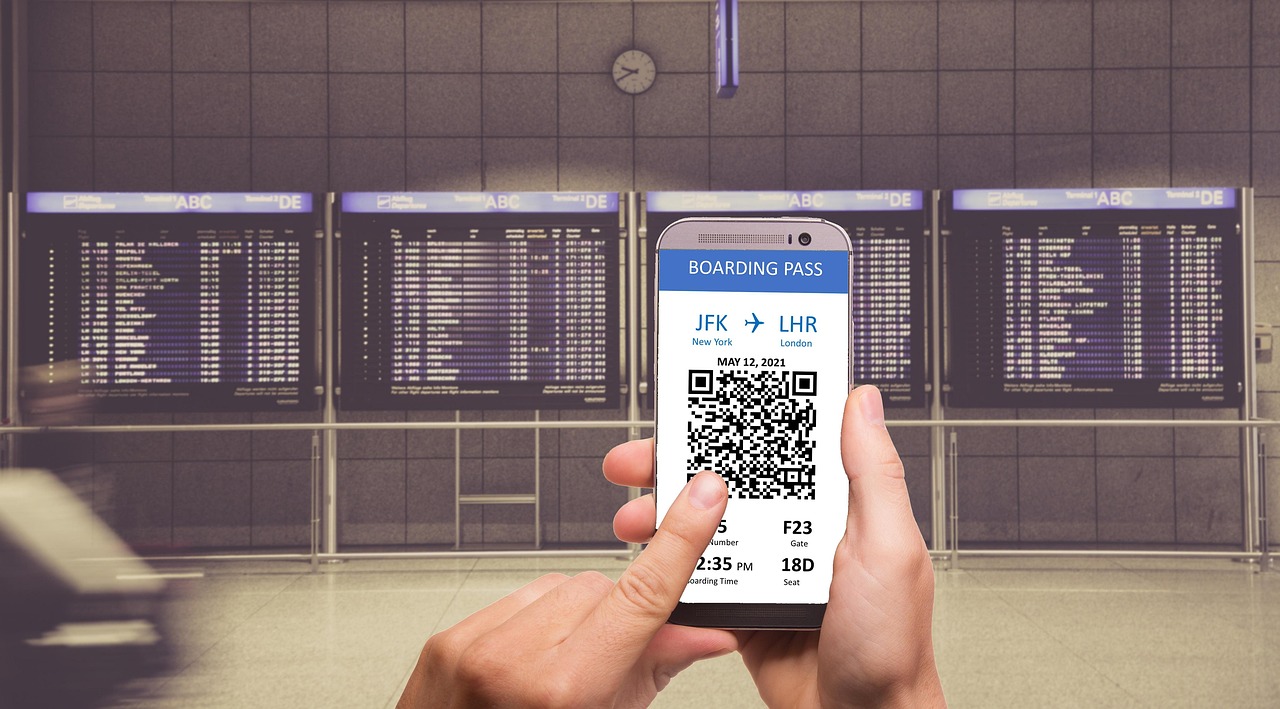
Australia will expand its digital traveller declaration system nationwide from next year, replacing more paper arrival cards with QR-code forms passengers can complete before landing. The rollout takes a limited Qantas pilot into a broader web workflow just as inbound travel is climbing again.
Few parts of an international trip now feel as stubbornly analogue as the incoming passenger card. A passenger can buy a fare, get a boarding pass and clear airline prompts on a phone, then still write customs and biosecurity details by hand before reaching the border desk. Tourism Minister Don Farrell told ABC News’ report on the rollout that the next phase is meant to speed up arrivals without changing the declaration itself.
Travellers using the digital system complete the form online and receive a QR code that Australian Border Force officers can scan on arrival. The Department of Home Affairs has already outlined an expansion to eligible Melbourne-bound international travellers, suggesting Canberra is widening the programme in stages instead of forcing every airport over at once. At the border, caution is practical. A clumsy cutover can become a queue within minutes.
“Making arrivals simpler and quicker means visitors can spend less time filling out forms and more time enjoying everything Australia has to offer.”
Don Farrell, quoted by ABC News
How the rollout is being staged
On paper, the policy is a small change. In practice, it sits inside a larger traveller-modernisation programme. The federal government has set aside $56 million over the next four years for the work, according to ABC, pointing to more than a cosmetic redesign. The project reaches airline messages, airport processing and the hand-off to border staff.
Qantas gives officials a controlled place to test the rough edges. A carrier-linked trial can show when the form should appear, whether the QR code is clear enough, and how many passengers finish the declaration before landing. Those details are prosaic, but they decide whether the digital card removes friction or merely shifts it from the seat pocket to the arrivals hall.
Home Affairs’ staged approach also reflects a constraint common to government tech: a border form is not a stand-alone app. It has to fit an existing arrival workflow, work across airlines and preserve the legal declaration behind the paper card. The interface can change. The compliance obligation stays.
Why the government is pushing now
Capacity is the immediate pressure. Australia handled 8.8 million international travellers last year, and the number is projected to reach 11 million by 2030, based on government data cited by ABC. More passengers mean fuller terminals. They also make every manual step inside the airport process more expensive.
For digitalblog’s policy lens, that is a more useful frame than travel convenience alone. Canberra is using a familiar consumer pattern, the QR-based phone form, to update a border checkpoint that has lagged behind the rest of the journey. If the national expansion works, the gain is throughput, less paper handling and an arrival process closer to the rest of a 2026 travel stack.
Farrell also cast the change as an economic win for the tourism sector. “This is a win for tourists and a win for our tourism operators, helping make Australia an even easier and more welcoming place to visit,” he told ABC. The operational test is narrower: whether travellers finish the form before arrival, airlines surface it at the right moment and border officers can move people through faster as the paper card starts to disappear.

Marnie Blackwood
Regulation reporter on Privacy Act reform, eSafety, ACCC tech enforcement, and ACMA. Reports from Canberra.