ASML backs Tata Electronics on $US11bn India chip fab
ASML will supply lithography tools, training and ramp support for Tata Electronics' planned Dholera fab, deepening India's bid to build domestic chipmaking capacity.
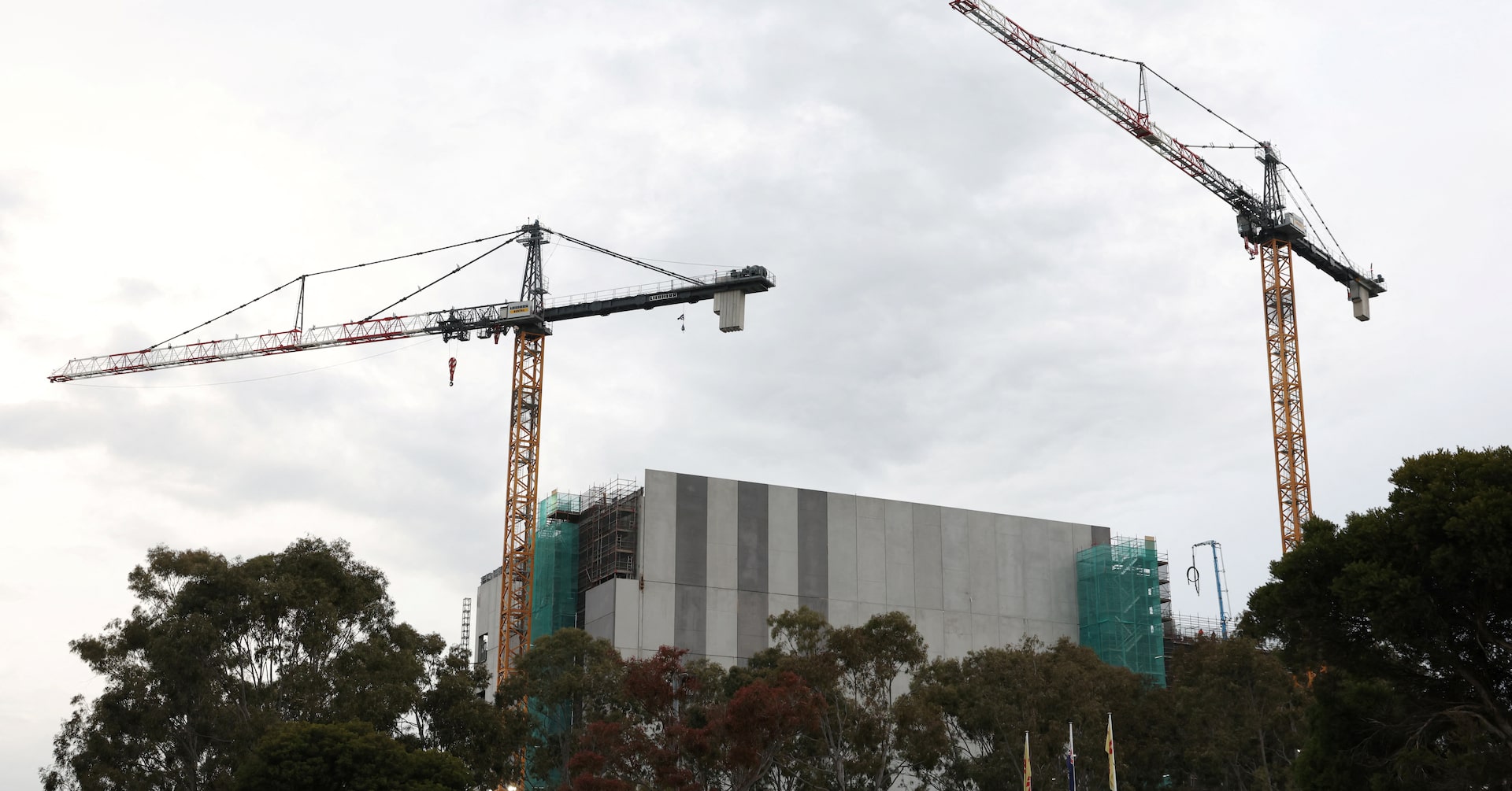
ASML has agreed to help Tata Electronics bring its planned $US11 billion semiconductor plant online in Dholera, Gujarat, giving India’s chipmaking push a critical equipment and process partner. The partnership covers lithography, planning, training and local support for the 300 mm fab, Tata said. Reuters reported the project is being framed as India’s first semiconductor fab.
The deal signals something larger: the next capacity race in semiconductors is expanding beyond the established manufacturing hubs in Taiwan, South Korea and China. Governments and chip groups are trying to widen the supply chain. India wants in.
Bloomberg described the partnership as part of India’s attempt to build domestic fabrication capacity instead of relying on imports. For ASML, the pact is more than a routine equipment order. A greenfield fab needs process tuning, service coverage, spare parts, training and a predictable ramp plan — tougher to pull off without an existing cluster of suppliers and engineers nearby.
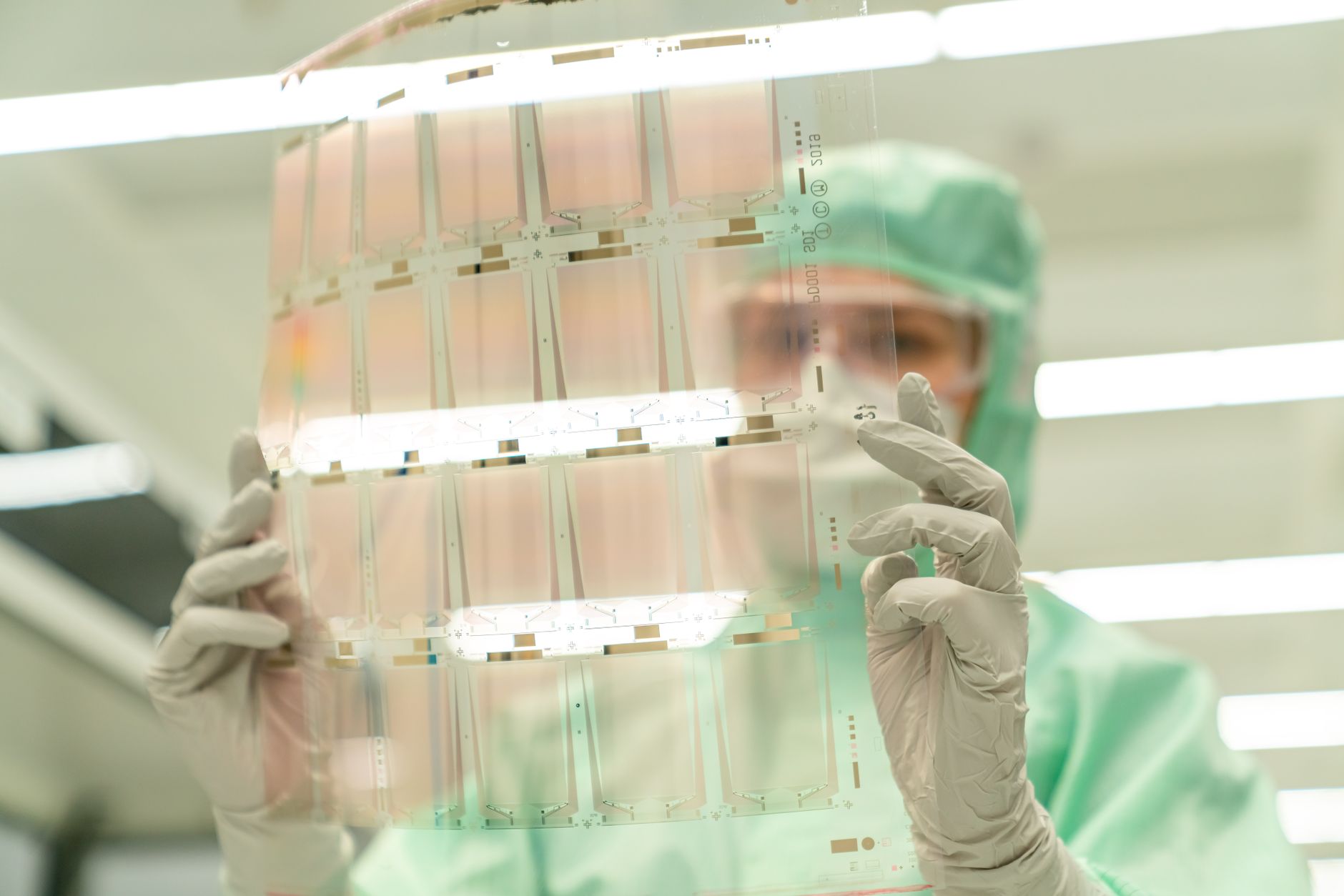
Tata’s statement made the same point. ASML would provide what the company called “holistic lithography solutions” for Dholera, combining wafer-patterning tools with the know-how needed to move a plant from installation to repeatable production. The language suggests Tata wants a partner that can stay close through commissioning, yield work and the early months of a ramp, not just deliver machinery.
Randhir Thakur, chief executive and managing director of Tata Electronics, said in the company’s statement that ASML’s expertise should help ensure the “timely ramp” of the fab and create a resilient supply chain for global customers. Separately, Reuters cited ASML chief executive Christophe Fouquet saying India’s rapidly expanding semiconductor sector offered “many compelling opportunities” and that the Dutch company was committed to long-term partnerships in the region.
Lithography remains one of the industry’s hardest bottlenecks. A fab can announce funding and secure land. It still has to line up complex tool delivery, installation and process control before it produces at scale, and it has to build local routines around maintenance, calibration and engineering response times. An ASML tie-up does not remove every execution risk. It does, however, address one of the most obvious ones for a first-of-its-kind plant.
Tata has pegged total investment at about $US11 billion for the 300 mm facility in Gujarat. India has spent several years trying to turn semiconductor policy into real manufacturing capacity. The hard work starts after the announcement day. Clean-room readiness, engineering talent and supplier coordination all have to land on schedule.
The gap between a memorandum and finished chips is measured in years. Process nodes, commercial output timing and customer mix were not detailed in the announcement. New fabs routinely take years to ramp. Still, ASML’s willingness to commit tooling support, staff time and technical expertise suggests the project is further into execution than most fab announcements get.
AI infrastructure demand has put fresh scrutiny on every credible source of future chip supply, from cloud compute to industrial systems to automotive electronics. Dholera will not reshape global supply overnight. The semiconductor build-out is moving into new geography, though. India is trying to secure a more durable place in the supply chain, and for the first time equipment suppliers are backing the bet with real commitments.

Soren Chau
Enterprise editor covering AWS, Azure, and GCP in the AU region, plus the SaaS shaping local IT. Reports from Sydney.