OpenAI, Malta tie ChatGPT Plus to national AI course
OpenAI's first nationwide partnership gives Maltese residents one year of ChatGPT Plus after an AI course, offering a test case in state-backed AI access.
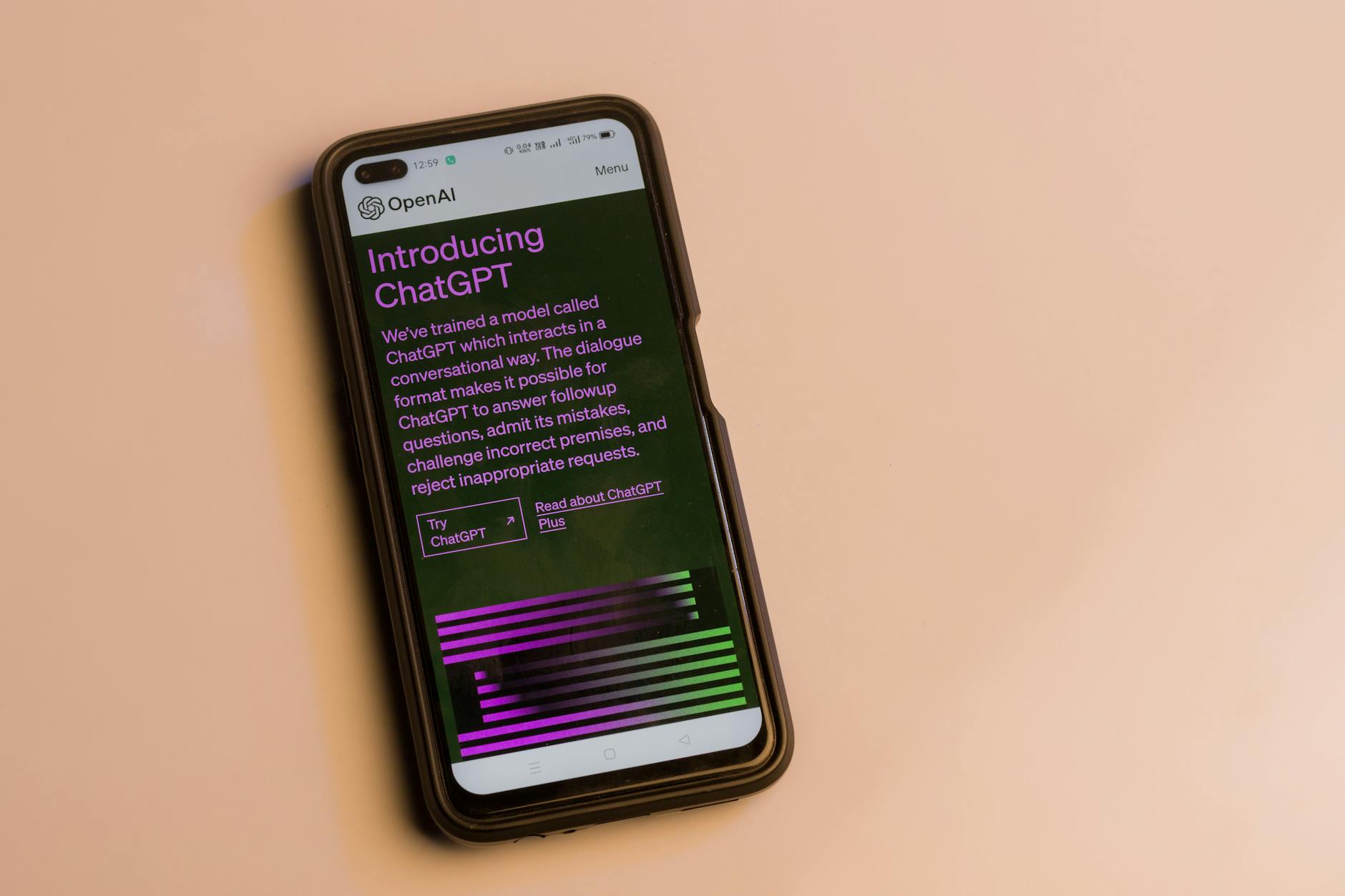
OpenAI has struck what it called its first nationwide partnership with Malta, giving residents access to ChatGPT Plus for a year if they complete an AI literacy course. Announced by the company and the Government of Malta on Friday, the arrangement turns the premium chatbot tier into a state-backed digital-skills programme.
Residents who complete the course can activate one year of ChatGPT Plus, according to the announcement. The access is gated behind a training step — it is not handed out automatically. OpenAI and Malta said the course is meant to widen familiarity with AI tools while giving citizens a basic grounding before they move into paid-tier use. OpenAI already sells subscriptions directly to consumers and licenses tools to businesses. A national arrangement tied to coursework gives the company a distribution model it has not tried before and offers Malta a policy rationale that is easier to defend than a straight giveaway.
Reuters reported the partnership as OpenAI deepened its push into government relationships. Engadget said the offer would cover a country of about 574,250 residents and noted ChatGPT Plus is usually priced at $US20 a month. Because the subscription follows course completion, Malta can measure real uptake more precisely than it could from a simple sign-up drive.
In the official announcement, Silvio Schembri, Malta’s minister for economy, enterprise and strategic projects, said the “AI for everyone” course was designed to make sure every citizen had “the chance to build the confidence and skills needed to thrive in a digital world”. The framing pushes the programme toward workforce readiness and digital inclusion, away from novelty.
George Osborne was even more direct, saying “intelligence is becoming a national utility” and that governments have a role in making sure their populations have both access and the skills to use AI well. The statement treats premium AI access as a kind of infrastructure — something public institutions could help distribute.
Why the Malta model matters
Malta is small. That is the point. A market of that size makes a cleaner national test bed than a large federal system, but it is still big enough to demonstrate how a premium AI product gets folded into a public-facing skills programme.
The design may also be easier for policymakers to defend than a no-strings subsidy for a commercial AI product. A literacy requirement gives ministers something concrete to point to on responsible use. The one-year term keeps the programme bounded. For OpenAI, the partnership opens a route into a whole population without framing the offer as a broad consumer discount. For other governments, it is a practical template — a way to widen AI access that does not separate adoption from training.
No comparable Australian programme has been announced. Canberra has given no indication one is coming. But Malta has produced a visible policy model: a premium AI subscription attached to a short skills course and delivered with government backing. In a market where debates about AI often split between capability and guardrails, that combination is likely to draw attention well beyond Malta. Officials, university administrators and large employers now have a concrete public-facing example of access and training being packaged together.
Asha Iyer
AI editor covering the model wars, AU enterprise adoption, and the policy shaping both. Reports from Sydney.