Australian AI data centres: where the next boom can go
Australian AI data centres are colliding with power, water and planning limits, raising the question of who pays for the next wave of compute.

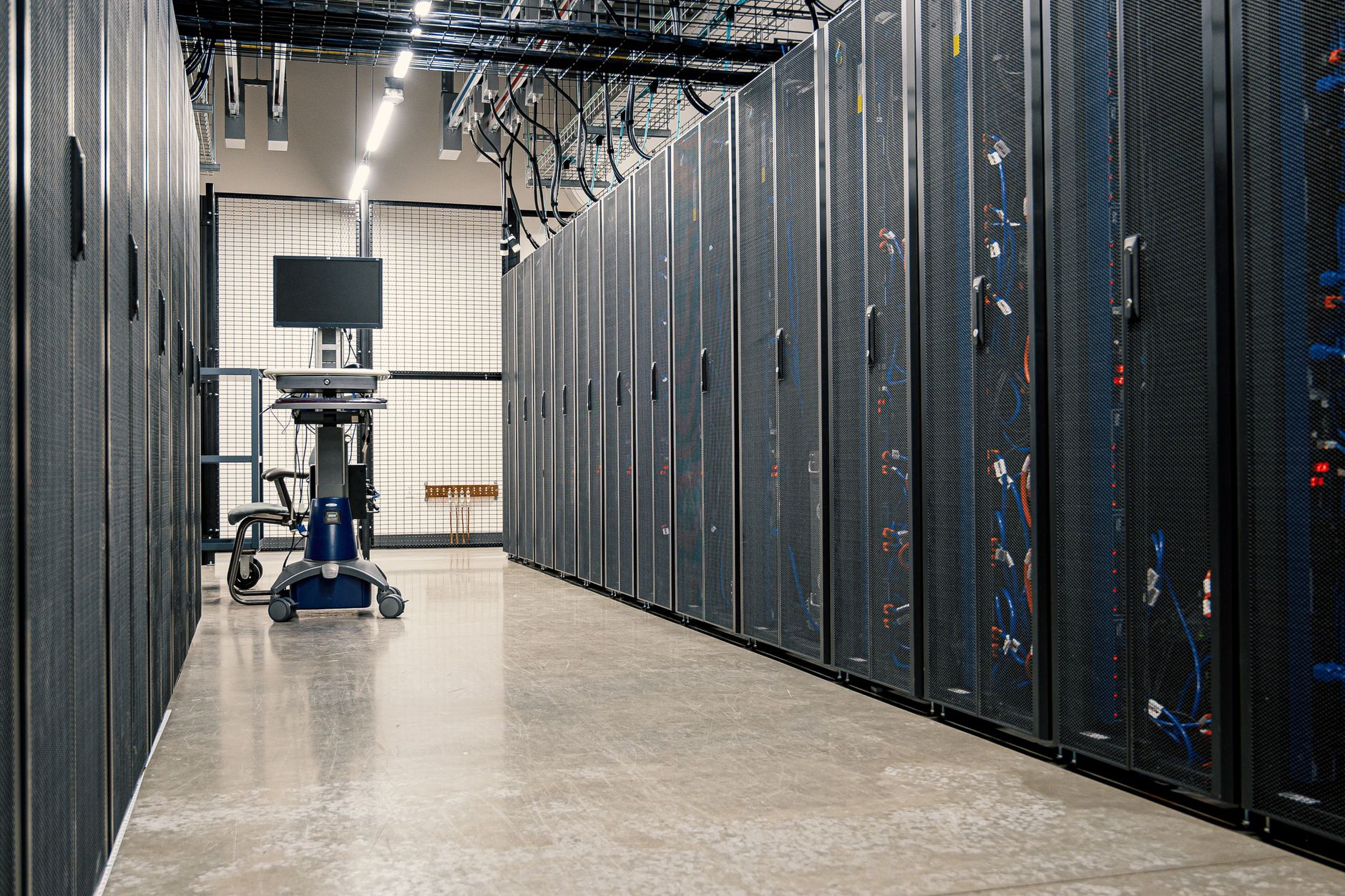
The rush to build AI data centres in Australia is now running into a constraint more ordinary than model capability: where the facilities can sit, and who covers the power, water and grid upgrades attached to them. The debate has moved quickly from venture rhetoric to land use, with SBS News reporting that community and environmental groups want approvals paused while authorities work out the cumulative impact of the new projects.
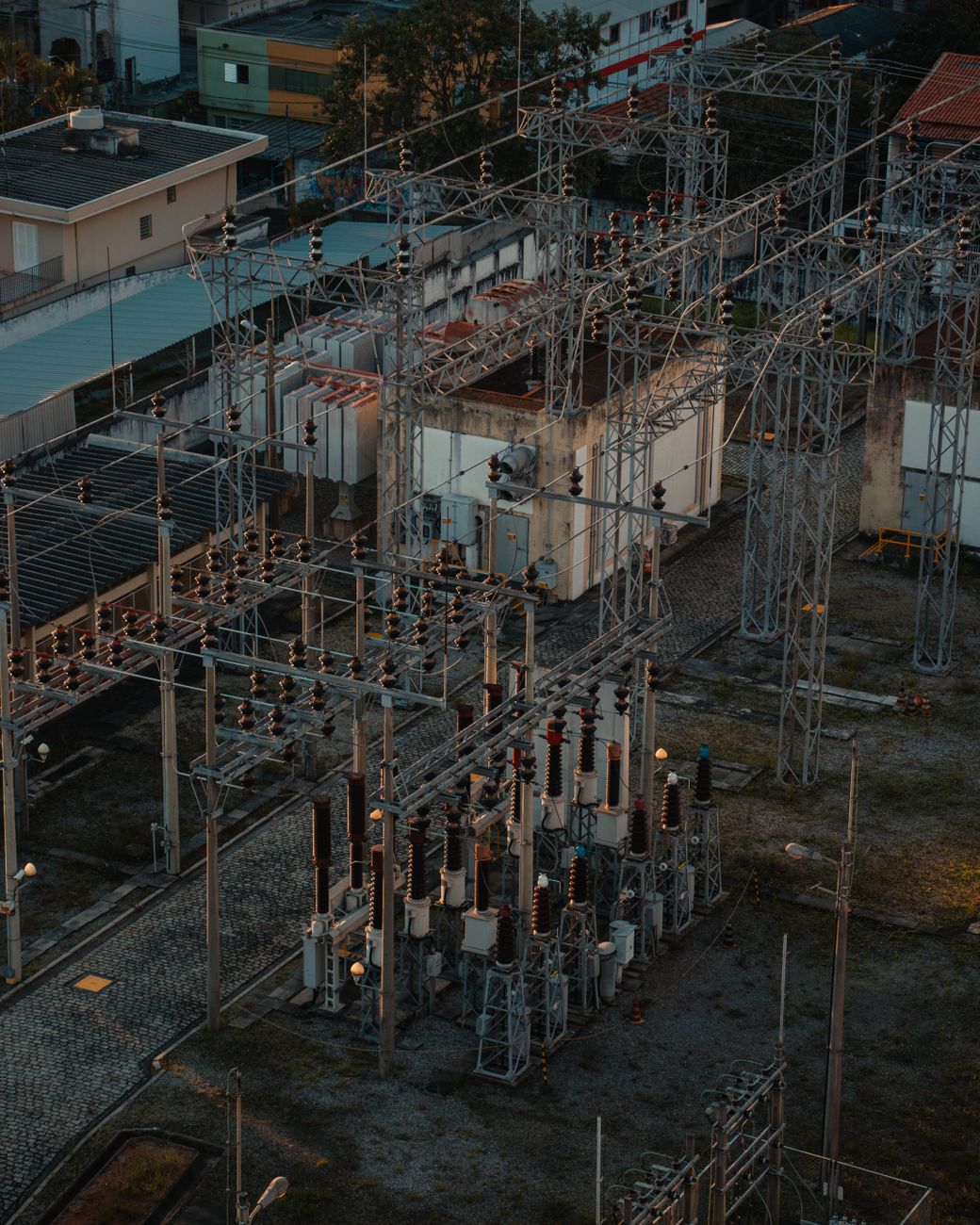
To regulators, the AI boom looks less like chatbots than substations, cooling systems and a basic question about whether utilities can absorb another cluster of energy-hungry buildings without pushing the bill onto everyone else. Once Sydney Water says data centres could use up to a quarter of the city’s drinking water by 2035, the siting debate stops looking like a niche planning fight and starts reading as economic policy.
From an industry and investment standpoint, the same evidence points somewhere else. Australia is already the world’s second-largest destination for data-centre investment, it still has room to add clean generation if projects can connect in time, and the National AI Centre tracks more than 1,500 Australian companies that develop or meaningfully adopt AI. The question is not whether the country wants an AI sector. It is whether it wants the enabling infrastructure badly enough to plan for it.
The next phase of Australia’s AI buildout will be decided less by the loudest model launch than by the states that can show developers, utilities and nearby communities how water, power and land will be allocated before each new proposal turns into a local referendum.
Planning approvals are becoming AI policy
In the Australian debate, planning is no longer administrative plumbing. It is the policy itself. The NSW inquiry cited by SBS News shows why: once facilities cluster in the same corridors, the public cost is cumulative even when individual projects look manageable on paper.
“It’s a little bit like a sneeze — it starts slowly and then all of a sudden these issues burst onto the scene very quickly,”
— Alexander Hoysted, Carbon Zero Initiative strategy lead, quoted by SBS News
His line works because it captures the politics as much as the infrastructure. Data centres used to be treated as quiet back-end assets. AI has changed that. Denser clusters mean more scrutiny of cooling methods, more questions about where backup power sits, and more pressure on governments to assess combined demand rather than site-by-site paperwork.
A blanket light-touch regime does not solve the practical problem. Operators want certainty, not perpetual delay. Communities want to know that water and network costs will not be socialised after the approvals are signed. The policy gap is not simply red tape. It is the absence of a statewide rulebook that prices cumulative impact up front, instead of leaving councils and utilities to bargain one development at a time.
“Our forecasts do reflect applications that are coming in that are planning to go ahead and there’s clearly uncertainty when we get towards that 10-year time frame,”
— Darren Cleary, Sydney Water managing director, quoted by SBS News
Authorities can see the project pipeline, but not yet its full shape. In practice, that points towards stricter location tests, clearer water-recovery mechanisms and a bigger role for state planning agencies that can look across multiple proposals, not just the next one in the queue.
The bigger fight is over who captures the upside
Analysts are not saying Australia should stop building. Their point is that hosting infrastructure is not automatically the same as building an AI industry. AFR Technology has argued that local procurement and data sovereignty need to be treated as industrial policy, not side issues. The Guardian has made a parallel case that public resources should buy the country more than a temporary construction boom.

Underneath the siting fight is a harder bargain. If Australia offers scarce water, scarce grid capacity and prime industrial land to global compute operators, what comes back in return: local jobs, sovereign capacity, research access, domestic cloud services, equity stakes, or merely rent from construction and power sales? Those are different bargains, and governments have been too loose about treating them as equivalent.
Australia’s domestic base is large enough to justify a harder line. The federal government’s National AI Plan has already bundled more than A$460 million in existing or committed AI-related funding, including up to $70 million in accelerator grants. That does not guarantee Australia a winning position in AI. It does show that the country is past the stage where infrastructure can be discussed as if it served only foreign hyperscalers.
On that view, siting becomes a value-capture question. A data centre approved near cheap land but weak grid access may still look rational to a single developer. It looks less rational if the surrounding region then pays for expensive network upgrades while higher-value software, model and services income flows offshore. The public-resource bargain has to be explicit or the backlash will keep growing.
More supply is the only durable answer
For developers and utilities, the operational question stays the same: where can dense compute go without colliding with existing demand? The likely answer is not one mega-policy but a stack of coordinated choices around grid buildout, generation, cooling technology and land use.
Cleaner firmed power is one Australian advantage. The Conversation recently argued that geothermal and other firmed clean-power options could help support energy-intensive industries, including data centres. If that logic holds, the country does not need to choose between more AI infrastructure and tighter environmental discipline. It needs more energy supply that can support industrial loads without raiding household systems or water networks.
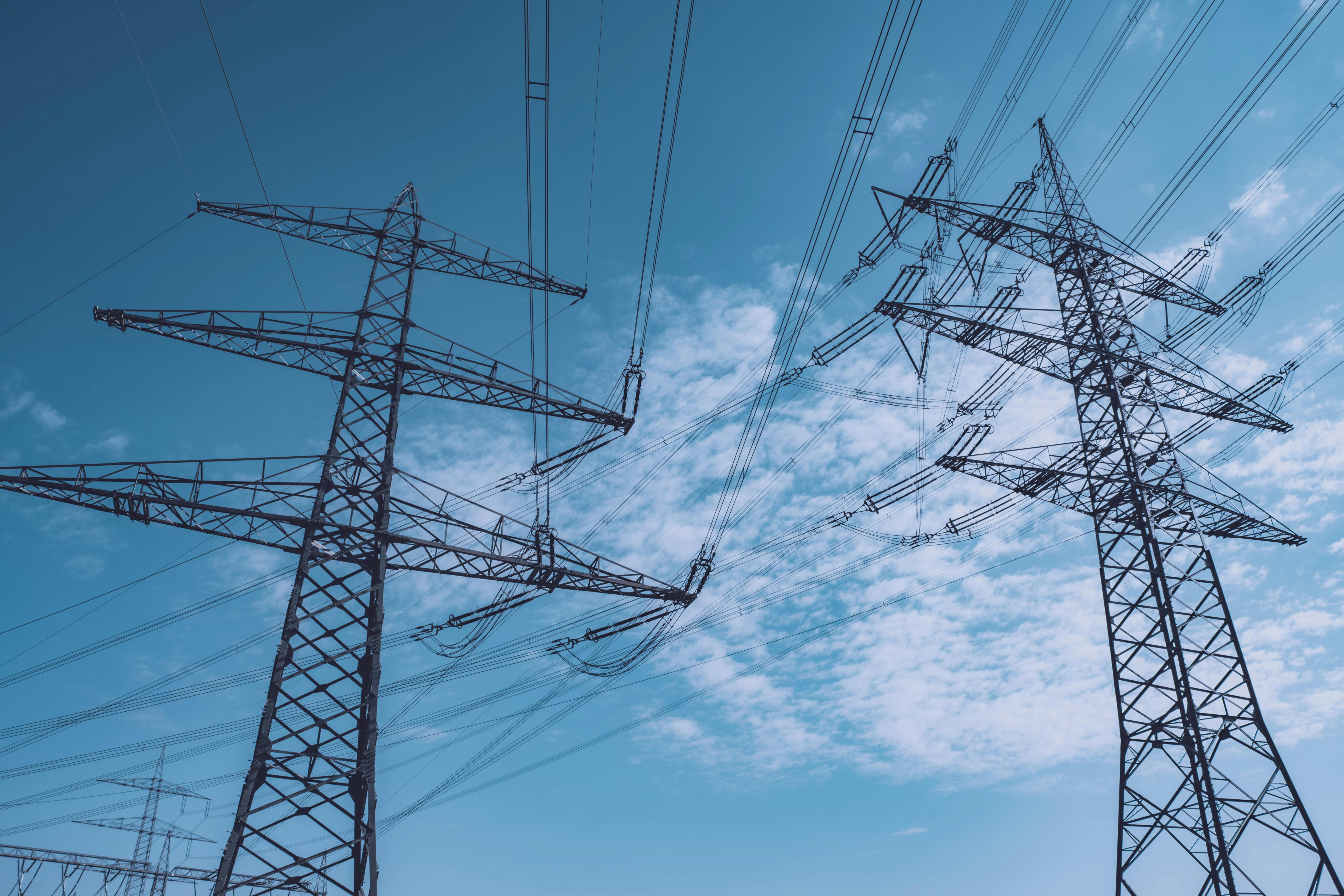
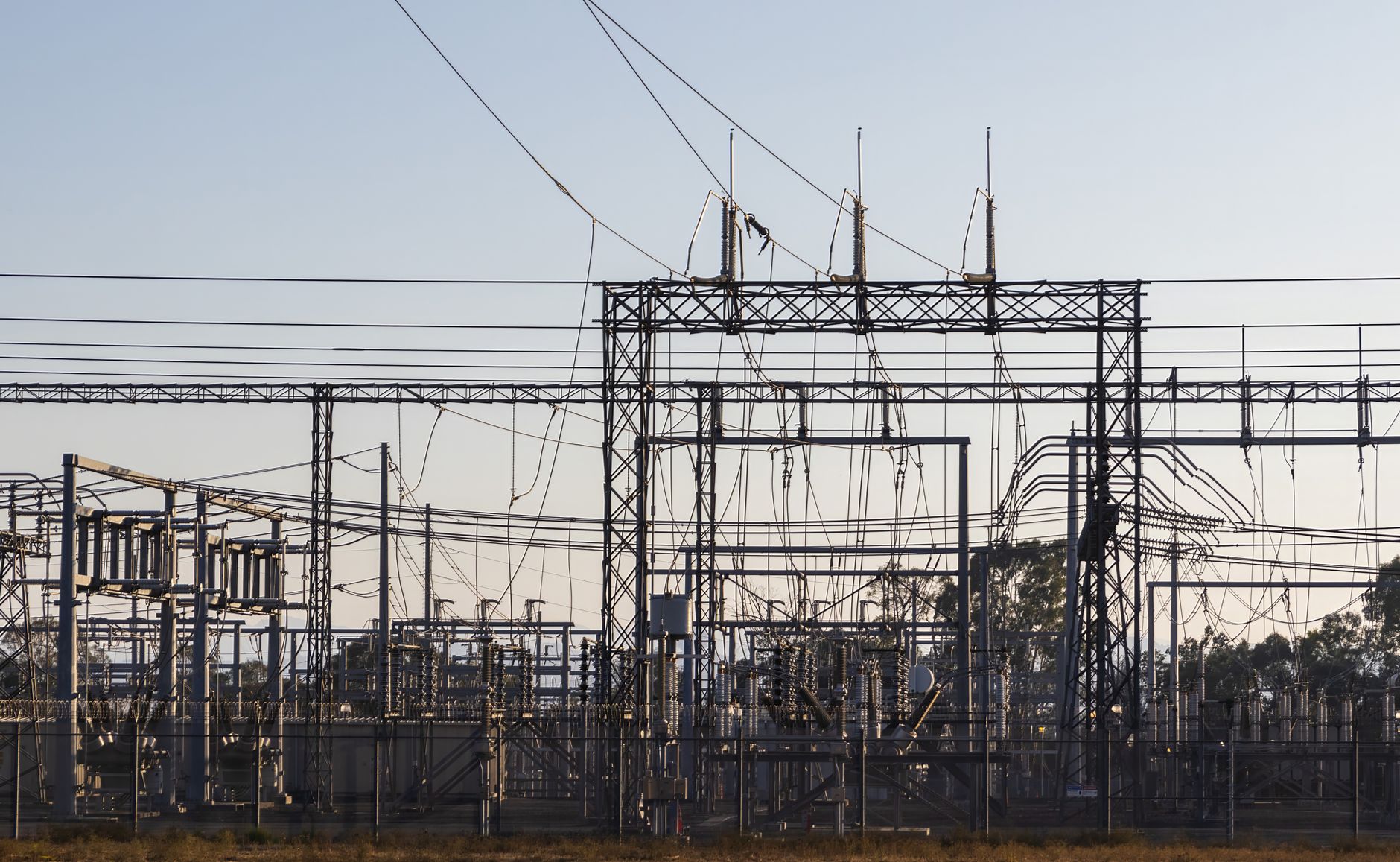
Renewables and grid upgrades can keep pace, but not on an approvals model built for a slower computing era. Governments will need to identify preferred zones, spell out connection and water standards earlier, and recover a larger share of upgrade costs from the projects that create the demand.
For digitalblog readers, the practical takeaway is plain. Australia’s AI debate has entered its least glamorous and most decisive phase. The winners will not just be the groups with better chips or louder promises. They will be the jurisdictions that can show, in advance, where compute belongs, how it will be powered and cooled, and how the upside will stay local when the bills arrive.

Soren Chau
Enterprise editor covering AWS, Azure, and GCP in the AU region, plus the SaaS shaping local IT. Reports from Sydney.