R&D tax incentive cuts: Gilmour Space, Myriota push for deep tech carve-out
Gilmour Space, Myriota and Quantum Brilliance are among the Australian deep tech companies calling on the federal government to carve out priority industries from a proposed 10-year age limit on the refundable R&D Tax Incentive, warning the budget measure could stall the country's most capital-intensive startup pipeline.
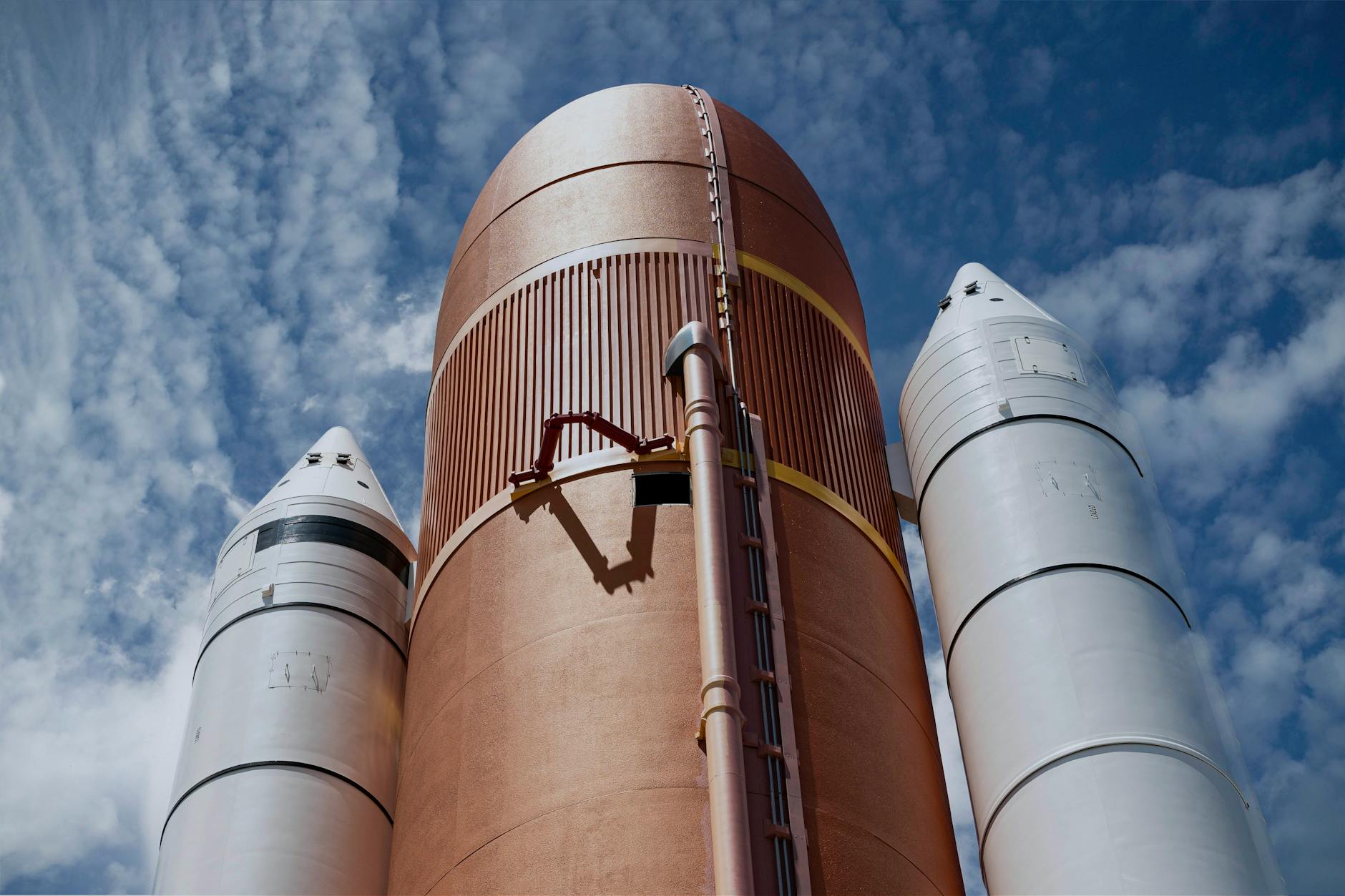
Gilmour Space Technologies, Myriota and Quantum Brilliance are pressing the federal government to carve out deep tech from a 10-year age limit on the refundable R&D Tax Incentive — a measure slipped into last week’s 2026-27 budget that the companies say will hit the very sectors the government’s own industrial strategy is trying to build.
The provision would block companies older than a decade from the refundable stream of Australia’s $4.6 billion R&D Tax Incentive programme. The timeline looks generous on paper. For software startups that can reach revenue in three or four years, a decade is more than enough. For a rocket company or a quantum computing firm, it barely covers the engineering runway. Space, quantum and satellite communications ventures routinely need 12 to 15 years to move from lab to launchpad — and sometimes longer.
Gilmour Space, the Gold Coast manufacturer that closed a $217 million Series E in January with backing from the National Reconstruction Fund and super fund Hostplus, told Capital Brief the refundable stream pays for the engineers and technicians it needs to reach first flight.
The refundable stream of the R&D tax incentive is very important for companies like ours… it helps us hire more engineers and technicians, continue development, and keep building advanced capability for the nation.
The company employs more than 220 people and is targeting Australia’s first commercial orbital launch from its Bowen, Queensland site. It is one of several NRF-backed ventures now caught between the government’s investment arm and its budget-setting arm. The NRF committed $75 million to Gilmour Space to build sovereign launch capability — then Treasury narrowed the incentive that sustains the engineering workforce those same companies depend on.
The age cap is hard to square with Robyn Denholm’s year-long review of the R&D system. The Tesla chair’s final report recommended a time-limited premium stream for startups that could graduate to a permanent incentive once they showed scale, but it stopped short of endorsing a blanket 10-year cutoff. The budget went further than her review said it should. Capital Brief reported that Denholm has since pushed for additional support for firms affected by the R&D changes, noting her review “did not recommend a blanket age cap on the broader refundable stream for small to medium sized businesses.”
Myriota chief executive Ben Cade made a similar argument from the satellite IoT side. Writing in InnovationAus, Cade said the 10-year horizon is arbitrary for firms still moving from technical validation to revenue, and that the cash returned to the business through the incentive goes into local engineering jobs, not dividends.
In deep tech, many companies are still transitioning from technical validation to meaningful scale well beyond their first decade. Cash returned to the business through RDTI is ploughed straight back into further jobs, further research and vitally the transition from research to real world impact.
Quantum Brilliance, the Canberra-founded startup building room-temperature diamond-based quantum processors, was also named among the companies seeking an exemption. Like Gilmour Space and Myriota, it has NRF backing and operates in a sector where the path to revenue is measured in decades, not quarters.
The budget did lift the expenditure cap for large companies under the RDTI from $150 million to $200 million — a recommendation Denholm’s review endorsed. But the age cap on the refundable stream was not in the review’s terms or its recommendations. SmartCompany described the budget as one that “fails real innovators,” pointing to the gap between the government’s NRF-led industrial strategy and a Treasury measure that narrows the incentive deep tech firms use to build their workforces.
No carve-out for deep tech or NRF priority sectors has been confirmed. The government has not flagged any willingness to revisit the measure before legislation reaches Parliament, and the companies are now lobbying through industry channels for an exemption that would bring the tax system into line with the government’s own stated goal of turning Australian research into Australian industry.

Jules Hartman
Startup reporter tracking the Sydney–Melbourne ecosystem, raises, and exits. Reports from Surry Hills.