Best iPad for students in Australia 2026: Air vs A16 vs Pro
For most Australian students, the iPad Air remains the safest 2026 buy, while the A16 fits tight budgets and the Pro suits specialist courses.
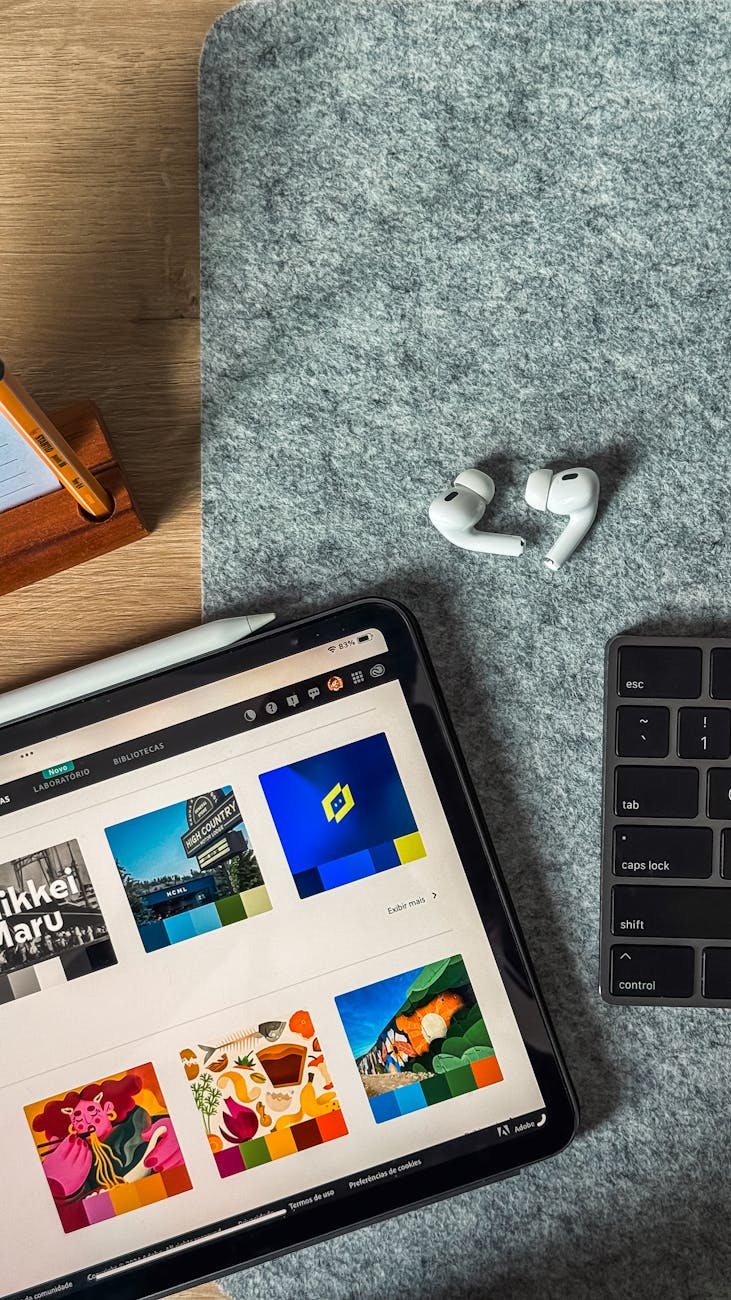
For most Australian students, the 11-inch iPad Air (M4) remains the safest iPad buy in 2026. Price alone does not settle the decision: the iPad (A16) is cheaper, but the Air covers a broader run of campus work once note-taking, commute weight and accessory support are counted.
In Apple’s Education store, the iPad (A16) starts at $559, the iPad Air (M4) at $919 and the iPad Pro (M5) at $1,529 for the 11-inch model. On campus, that usually means choosing for lecture notes, PDFs on the train, typed assignments in the library and the occasional stretch into design, coding or media work rather than buying on chip names alone. For many buyers, the real question is whether one tablet can move from morning lectures to evening essay drafts without feeling cramped.
Both Macworld’s student guide and PCMag’s 2026 iPad guide arrive at much the same conclusion: the cheapest iPad only stays the easy value pick if the workload is narrow and the accessories stay modest. For Australian buyers, the more revealing number is often the bundle cost. A cheap tablet can stop looking cheap once the stylus and keyboard enter the semester plan.
Why the Air stays in front
Portability is the Air’s main advantage. At 11 inches, it is easy to carry between lectures, roomy enough for split-screen reading and notes, and far less of a financial leap than the Pro.
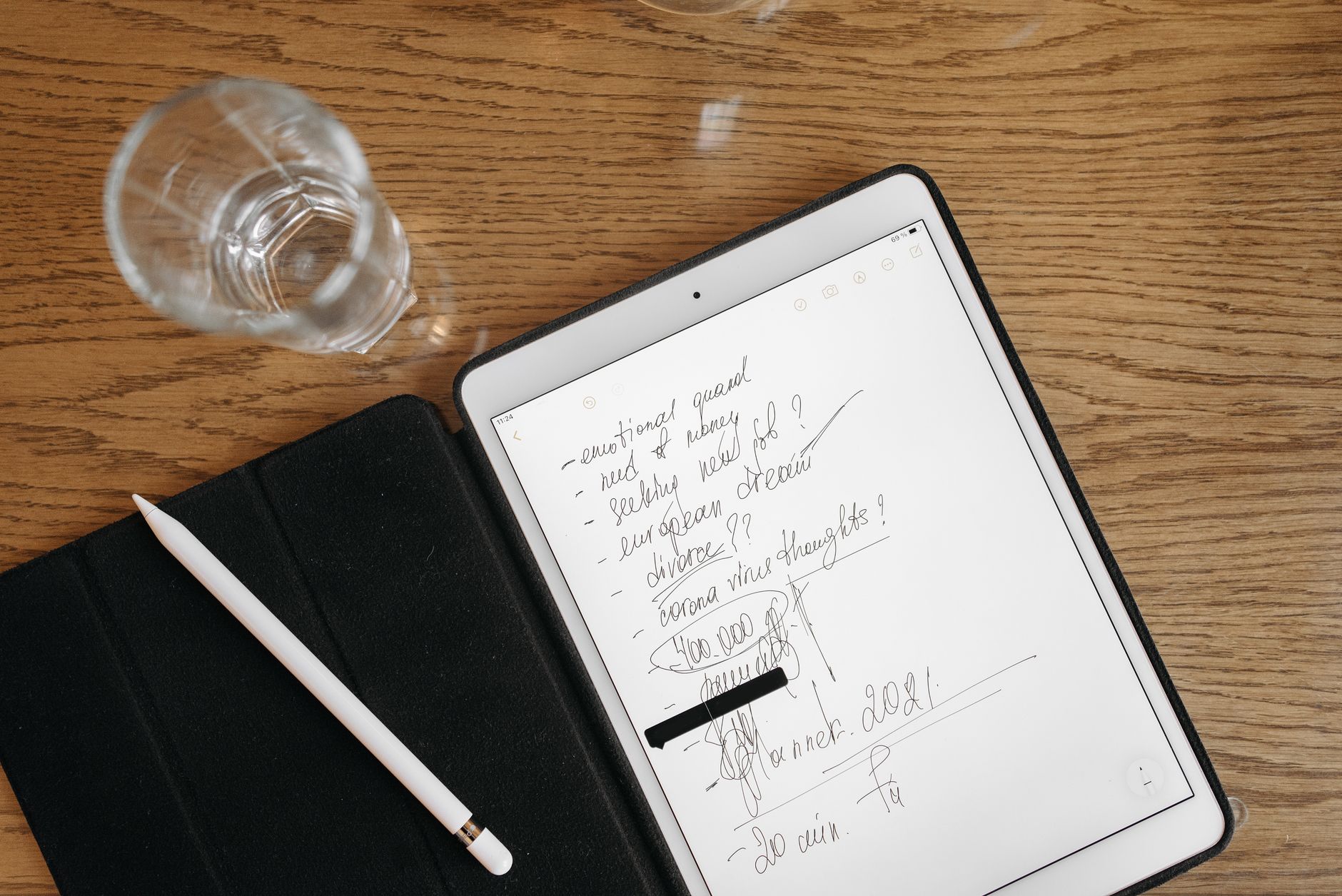
PCMag’s 2026 iPad guide put it plainly:
Students: High school and college students need a solid tablet with enough power to handle classroom apps and the iPad Air is the ideal choice.
— PCMag
Macworld’s student-focused comparison reached the same verdict:
For most students, we recommend the 11-inch iPad Air because it strikes an excellent balance between performance, portability, and price.
— Macworld
Most students do not need more screen than this. Lecture-theatre desks, backpacks and train tables all favour the 11-inch size, while split-screen reading and handwritten annotations still sit comfortably on the display. Larger models start to make sense only for courses built around drawing, video work or heavy multitasking every day.
Apple lists the Apple Pencil Pro at $199. On the Air, that extra spend buys a better note-taking and annotation setup than the base model can offer with the cheaper Apple Pencil USB-C. For a student hoping one tablet lasts a full degree, that support matters more than unused chip headroom.
When the A16 makes sense
Budget is where the iPad (A16) still speaks loudly. At $559 through Apple’s Australian education store, it is the clear entry point and leaves room for storage, a case or the Apple Pencil USB-C.
Across arts, law, humanities and commerce, that may be enough. Students in those courses often need reliable reading, highlighting, writing and streaming more than they need a tablet that doubles as a production machine. It also suits buyers who already have a laptop and mainly want a lighter class companion.
Once the Apple Pencil USB-C joins the basket, the base model rises to $678 before any keyboard enters the picture. Even then it stays well below the Air, but the bargain case weakens for buyers planning long assignments, heavier multitasking or several years of use.
The Pro only pays off for specialist courses
Creative majors are the clearest case for the iPad Pro (M5). At $1,529 for the 11-inch education model, it opens $610 above the Air, and that premium buys headroom and better hardware rather than a radically better lecture companion.

Design, media production, photography and architecture students may be able to justify that spend because their daily software can push harder against the ceiling. For those buyers, the premium lines up with large projects, paid work or tools that can use the extra headroom. PCMag and Macworld both treat the Air as the mainstream student choice, which fits the everyday workload of notes, research reading, word processing and light creative work.
Everyday study tasks sit well below the Pro’s ceiling. For everyone else, it makes more sense as a production tool or paid-work machine than as the default tablet for lectures.
Bundle cost decides the real value
Compare the full setup and the hierarchy looks clearer. A base iPad (A16) plus an Apple Pencil USB-C lands at $678. An iPad Air (M4) on its own is $919. Add the Apple Pencil Pro and it reaches $1,118. Add Apple’s Magic Keyboard for iPad Air 11-inch (M4) at $419 and the Air becomes a $1,537 setup, almost exactly Pro territory.
That arithmetic leaves the A16 as the lean-budget option, the Air as the default recommendation and the Pro as the specialist pick. Once a keyboard enters the budget, the gap between sensible and premium narrows quickly. For most Australian students, the Air remains the least risky compromise by semester two. That mix of portability, accessory support and price is what keeps it ahead.
Pip Sanderson
Reviews editor on phones, wearables, and the gear that lands in Australian shops. Reports from Melbourne.