Meta plans AI pendant, new smart glasses in hardware push
Meta plans to test an AI pendant in 2027 and launch new smart glasses in June, targeting 10 million wearable sales in the second half of 2026.
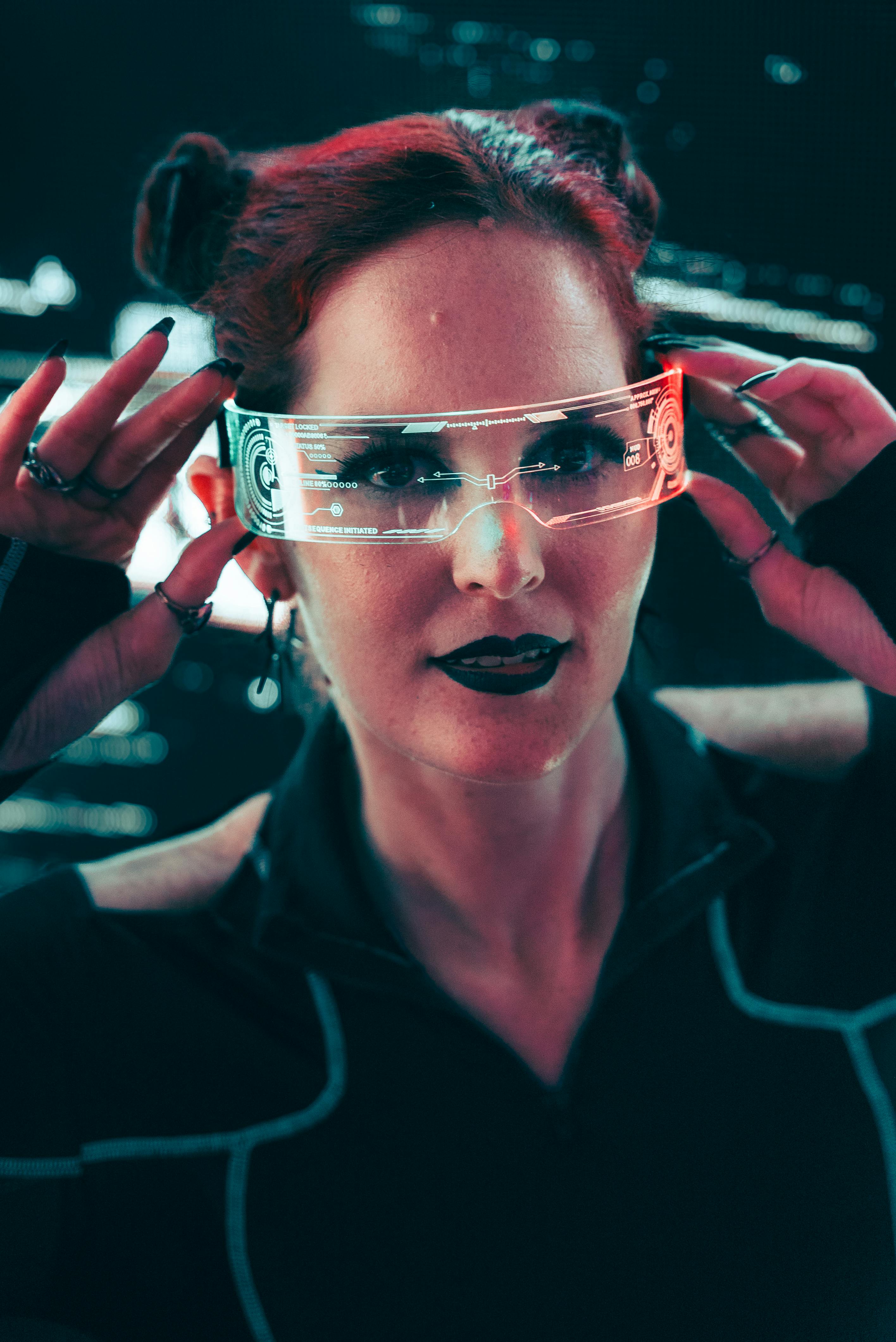
Meta vice president of wearables Alex Himel detailed the company’s hardware roadmap in an internal memo on Thursday, reported by The Information and confirmed by Reuters. Three things stood out: a new pair of AI-powered smart glasses arriving as soon as next month, plans to start testing an artificial intelligence pendant in 2027, and a dedicated “Wearables for Work” unit aimed at enterprise customers. The through-line: reversing years of heavy losses in Meta’s Reality Labs hardware division.
The push is the biggest hardware gamble Meta has made in the wearables category, where a quiet lead has been building for several quarters. The company’s Ray-Ban smart glasses — made with Italian eyewear partner EssilorLuxottica and sold in Australia through Amazon and Sunglass Hut — have outsold most rivals. Himel’s memo targets 10 million wearable device sales in the second half of 2026, a figure that would significantly widen the gap in a product category that has struggled to escape the early-adopter ghetto.
The new glasses, expected within weeks, will pack upgraded AI features on top of the voice assistant, camera-based visual search, and real-time translation already live on the current Ray-Ban Meta line. Meta put $US3.5 billion (about $5.4 billion) into EssilorLuxottica in July 2025 to shore up the manufacturing and design side, and the upcoming model should be the first to reflect that deepened partnership. Separately, the planned AI pendant — worn around the neck to capture and transcribe conversations — enters testing in 2027. The concept is not new: Meta acquired AI-wearables startup Limitless in December 2025, picking up its pendant recording technology. Rival devices, including the Humane Ai Pin and Rabbit R1, have already tested whether consumers want screen-free AI hardware. The results so far: mixed.
Meta declined to comment on the report.
The “Wearables for Work” unit is the enterprise play. While the consumer glasses draw fashion-conscious buyers through Ray-Ban and Oakley brands, the work-focused division will pitch headsets and glasses as productivity tools — factory-floor headsets for remote assistance, augmented-reality overlays for field technicians, AI transcription for meetings. It is an attempt to reach the corporate market that has stayed beyond the grasp of most mixed-reality hardware makers, including Meta’s own Quest for Business.
The urgency behind the roadmap is written in Reality Labs’ financials. The division posted an operating loss of $US4.03 billion ($6.2 billion) in the first quarter of 2026, against revenue of just $US402 million ($620 million). Meta has sunk tens of billions into hardware since chief executive Mark Zuckerberg rebranded the company from Facebook in 2021. The 10-million-unit sales target for the back half of this year is the strongest signal yet that the company believes it is approaching the scale needed to make those investments look sensible.
The broader smart glasses industry is still a punishing place to compete. Xreal chief executive Chi Xu told TechCrunch last week that “everybody’s losing money.”
Xu’s company counts Google as a partner and is pushing its own augmented-reality glasses. Amazon has entered the fray with Bee, a wearable that TechCrunch said offers “an odd combination of convenience and privacy anxiety.” Apple has reportedly shelved its AR glasses project. Snap’s Spectacles remain a niche product.
Meta’s edge is distribution. Its Ray-Ban partnership puts smart glasses in optometry chains and department stores, not just electronics retailers. It can cross-sell to billions of users across Facebook, Instagram, and WhatsApp. If Meta ships 10 million devices while competitors struggle to reach even a tenth of that figure, the wearables bet — long viewed as the most speculative of Zuckerberg’s post-Facebook pivots — would start to look like an actual head start rather than just a money pit.

Asha Iyer
AI editor covering the model wars, AU enterprise adoption, and the policy shaping both. Reports from Sydney.