Google AI Studio Android apps pull teams deeper into Gemini
Google AI Studio Android apps could cut prototype costs for Australian teams, while pulling coding, testing and discovery deeper into Gemini.

Google’s AI Studio launch at I/O was presented as a faster way to turn a prompt into a native Android app, but for Australian mobile teams the larger shift is where that work now sits. By moving app generation into the browser, linking it to Android CLI 1.0 and handing projects off to Android Studio and Antigravity, Google is trying to keep more of the journey from first idea to shipped install inside Gemini.
From Google’s side, the case is simple. In Google’s developer pitch, teams no longer need local setup just to test whether an idea has legs, and TechCrunch reported that the browser flow can produce a working first draft in minutes. For a small agency, startup or solo builder, that change matters more than it does for a large mobile organisation with an established release pipeline.
“No software to install, no SDKs to manage and no local environment needed.”
— Google, Android Developers Blog
Sceptics arrive at a different reading almost immediately: the cheap part of Android work is getting cheaper, while the expensive part stays stubbornly human. The Verge reported that Google Play’s review standards are not changing, which means generated code still has to survive the same checks on quality, privacy, reliability and policy compliance as hand-built code.
Taken together, the launch looks less like an instant replacement for Android engineers and more like a bid to reprice the front end of app development. For Australian startups, indie builders and agencies, the near-term advantage is faster experimentation. The longer-term question is whether that speed comes with deeper dependence on Google’s models, tooling and discovery layer.
Google is bundling more than code generation
Google’s own framing hints at the scope of the move. The company said AI Studio can take plain-language prompts, generate native Android apps, connect to device features such as the camera or microphone, and then pass the project into Android Studio when teams need more serious debugging, testing and UI polish. In other words, Google is not only trying to win the prompt stage. It wants the hand-off stage as well.

Seen beside Android CLI’s stable 1.0 release, that bundle looks more strategic. TechCrunch described the CLI as part of Google’s broader push into agentic app coding, while 9to5Google argued that Antigravity is being repositioned as an agentic developer suite rather than a loose collection of model tools. Put together, the pieces point to a workflow in which browser prototype, terminal agent, model access and IDE refinement all speak the same language.
It also pushes Google closer to the territory occupied by standalone coding products such as Cursor, Claude Code, Replit and Lovable. The difference is distribution. Those tools can help write software, but Google controls the Android platform, the core developer tools and a large part of app discovery. That gives it a stronger claim on the full route from draft code to user acquisition.
The first prototype is cheaper, the real app is not
For small teams, the economics matter. Setup friction has always been part of the cost of mobile work: local environments, SDK management, emulator quirks and the time needed to get a thin idea into a form somebody else can test. Google’s promise of browser-first app creation is aimed squarely at that bottleneck, and The Verge’s hands-on account suggests the speed is real enough to change early-stage prototyping.
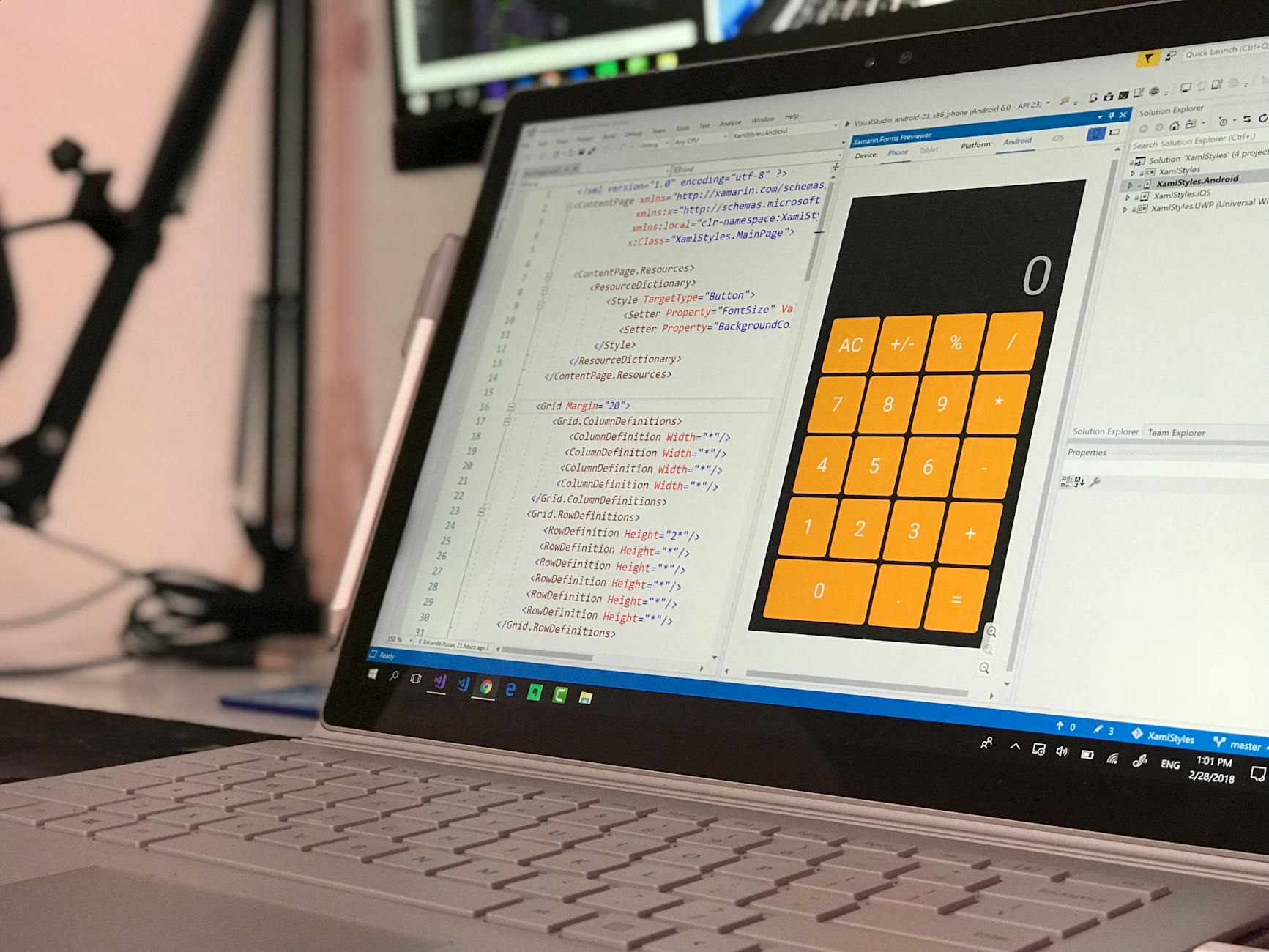
What does not disappear is the part that usually makes or breaks a shipped product: state management, permissions, security, back-end integration, analytics, crash handling and ongoing maintenance. The Verge reported that Google Play will keep the same review bar, and 9to5Google noted that Google itself still points developers back to Android Studio for advanced work. That is a useful tell. If the browser build were enough, the hand-off would not need so much emphasis.
“App quality continues to be a top priority to Google Play and we will not be changing our review processes and standards.”
— Google Play statement, via The Verge
For Australian indie builders, that still adds up to a meaningful shift. A solo founder who wants to test a subscription calculator, a field-service utility or a simple booking app can get to a usable draft faster, show it to users sooner and kill bad ideas before paying for weeks of native work. What AI Studio does not change is the point at which a prototype becomes a product with support costs, policy exposure and reputational risk.
Discovery may become part of the developer toolchain
Less noticed is the part of the launch that is not code generation at all. It is discovery. TechCrunch reported that Gemini will start surfacing apps in conversation, while 9to5Google separately reported that Google Play is getting an Ask Play chatbot. That pulls recommendation closer to the same stack developers are using to make the software in the first place.
“Great apps don’t live in isolation.”
— Google, Google I/O 2026 developer tools blog
From the analyst’s perspective, that is where Google’s move becomes harder to dismiss as a convenience upgrade. If Gemini helps build the app, helps explain the APIs, and then helps surface the finished product to users, Google is bundling creation and distribution into one commercial lane. For agencies and app studios that prefer tool-agnostic workflows, that raises a familiar platform question: whether the saved hours up front are worth a deeper reliance on one vendor’s models, interfaces and recommendation systems.
Australian Android developers still have reason to pay attention. Teams that sit it out may find competitors iterating faster on low-risk utilities, client demos and internal tools. But the practical lesson of this release is narrower than the launch spectacle suggested. Google has made the first draft faster, and maybe much faster. It has not removed the need for engineers. It has made the platform owner more central to how those engineers start, refine and distribute the work.

Asha Iyer
AI editor covering the model wars, AU enterprise adoption, and the policy shaping both. Reports from Sydney.