QuantX Labs raises $US5m for quantum atomic clocks
QuantX Labs has raised $US5 million to scale optical atomic clocks for defence, space and critical infrastructure from Adelaide.
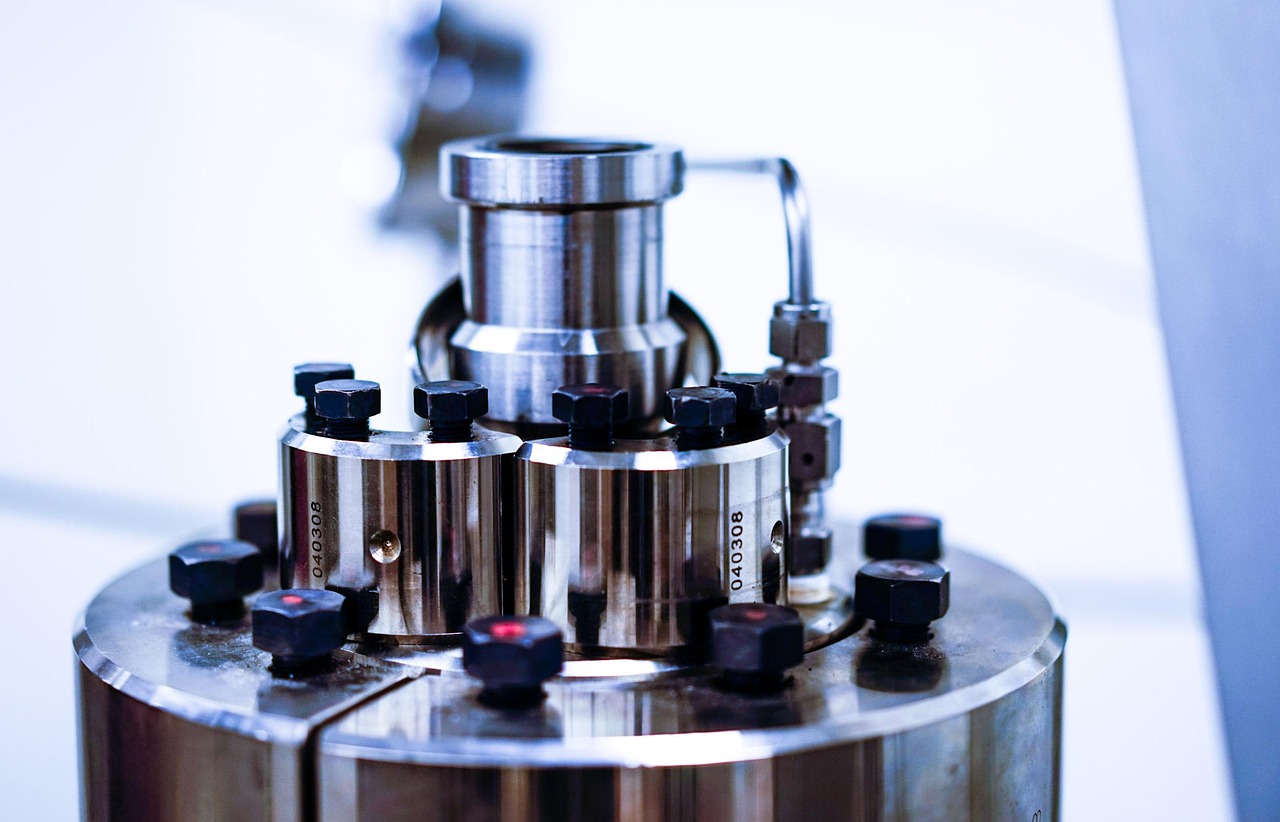
Adelaide startup QuantX Labs has raised $US5 million (about $7 million) to push its quantum timing hardware toward defence, space and critical infrastructure buyers. Serendipity Capital led the seed round, and QuantX Labs said in its funding announcement the money would help commercialise its optical atomic clock technology.
The raise is a sharper signal than another Australian software cheque. QuantX Labs is working on precision timing systems used in navigation, telecommunications networks, sensing and infrastructure, where small clock errors can turn into operational problems. That puts the Adelaide company in a narrower but more strategic part of the startup market.
Founded in 2016, QuantX Labs is led by chief executive and co-founder Andre Luiten. The company says its technology is designed to be 10 to 100 times more stable than existing systems, a claim repeated by Australian Defence Magazine in its coverage of the investment.
“Serendipity Capital brings exactly the kind of partnership we were seeking for the next stage of QuantX Labs’ growth.”
Andre Luiten, QuantX Labs chief executive and co-founder, quoted by Australian Defence Magazine
The defence link is practical rather than decorative. Timing systems have to keep working when satellite signals are weak, jammed or unavailable. Atomic clocks and frequency references sit under equipment that needs a shared clock before it can locate, communicate or coordinate. Defence platforms, telco networks, space systems and parts of critical infrastructure all depend on that layer.
That changes the investment case. The product is specialised, and the likely customers are technical organisations with high reliability requirements. It also ties QuantX Labs to the sovereign-capability push that has made Australian governments and backers more receptive to hardware with defence, space or critical-infrastructure uses.
Why timing hardware still draws capital
Serendipity Capital’s Rob Jesudason framed the investment around infrastructure need, not quantum-computing theatre. The same class of technology can support telecommunications synchronisation, positioning systems and sensors that need stable frequency references.
“Modern defence systems, telecommunications networks and critical infrastructure all depend on precise timing.”
Rob Jesudason, quoted by Australian Defence Magazine
Quantum Computing Report described the raise as QuantX Labs’ first external institutional financing. For a company several years into development, that matters. Deep-tech hardware often spends longer in laboratories before it can show commercial traction, so the round points to a move from technical validation toward a broader market push.
The investment also lands in a more selective funding market for Australian startups. Generalist software rounds have faced closer scrutiny since the 2021 and 2022 peak, while defence, advanced manufacturing, space and cyber-resilience companies still draw attention when the use case is clear. QuantX Labs fits that narrower brief: precise timing as infrastructure, not volume software growth.
For digitalblog readers, the useful signal is not that quantum timing has become a mainstream startup category. It is that a technically narrow Adelaide company can still attract international capital when the customer problem is specific and the strategic case is easy to explain. The cheque size matters less than what investors were willing to underwrite.

Jules Hartman
Startup reporter tracking the Sydney–Melbourne ecosystem, raises, and exits. Reports from Surry Hills.