Qualcomm AI server chip wins Meta as first customer
Qualcomm AI server chip wins Meta as an early customer, with Dragonfly production slated for 2028 as the company pushes deeper into data centres.

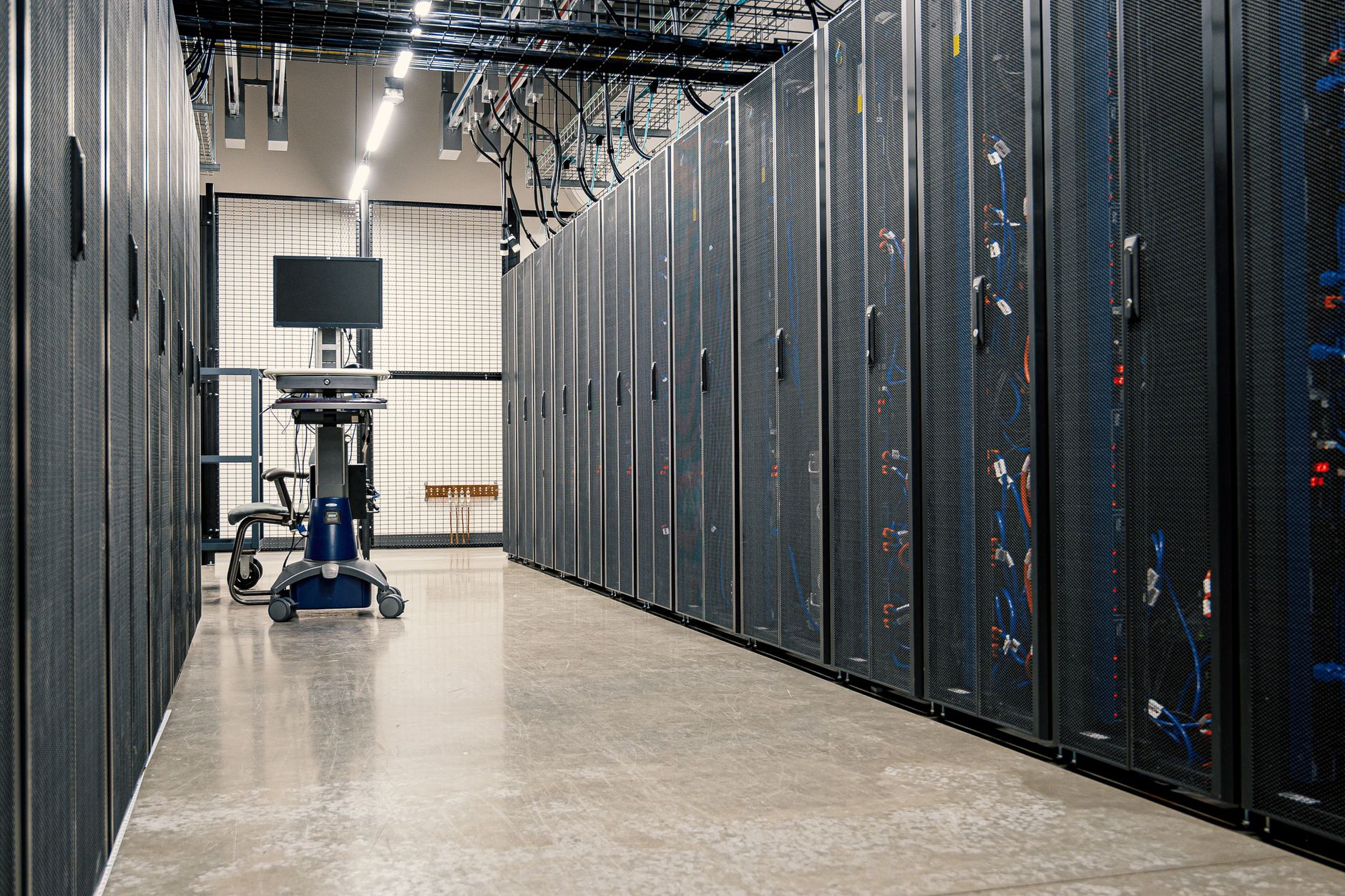
At Investor Day 2026, Qualcomm unveiled the Dragonfly C1000 and said Meta will adopt the data-centre CPU when production starts in 2028, giving the chipmaker its clearest named customer yet for an AI infrastructure push. The CPU is aimed at data-centre workloads, a market well beyond Qualcomm’s familiar handset base and closer to the systems that run large AI services.
Behind the launch is a diversification test.
Qualcomm is trying to show investors and cloud buyers that its server plans now include a concrete chip, a production timetable and a hyperscaler willing to put its name beside the project. Smartphones still accounted for about two-thirds of Qualcomm’s product revenue in the latest quarter, CNBC reported. A Meta commitment will not bring in server revenue quickly, because production is still two years away. It does, however, give the company a reference customer as it tries to sell data-centre silicon to groups already spending heavily on AI compute.
The company also presented Dragonfly as part of a broader server portfolio. ServeTheHome’s Investor Day coverage said Qualcomm outlined AI accelerators and related data-centre components alongside the new CPU. Bloomberg reported that the announcement included additional AI chips. In large data centres, that wider package matters: operators tend to plan around racks, software support and power budgets before they commit to a processor.
For Meta, the public design win suggests another route for inference hardware as the company builds and tunes its own AI infrastructure. Hyperscalers usually test new architectures long before broad roll-outs, and Qualcomm can use the endorsement when it approaches other cloud and platform groups looking for more suppliers. The 2028 timing keeps expectations grounded. This is proof of interest before it is a revenue line.
The server plan landed alongside Qualcomm’s reported agreement to buy AI software startup Modular in a deal that WIRED said was worth about $US4 billion (about $6.1 billion). That deal adds a software layer to the same argument. Rather than selling only a processor, Qualcomm is signalling that it wants tools for deploying AI across mixed compute environments.
“We believe the future belongs to developer-friendly, horizontal platforms that can run across diverse compute environments and give customers real choice in how and where they deploy AI.”
Cristiano Amon, via WIRED
Amon made that comment in the context of the Modular deal, but it also fits the server strategy Qualcomm laid out at Investor Day. The pitch is that future AI infrastructure will reward vendors that can pair silicon with developer tools across CPUs, accelerators and cloud environments. If Qualcomm can carry its smartphone-era efficiency case into rack-scale deployments, Meta’s early backing gives it a useful reference before the chip reaches production.
The practical shift is that Qualcomm has moved from a broad diversification story to a named data-centre product and a marquee customer. That puts it more directly into the contest for AI infrastructure spending, even if commercial deployments are still several years away.

Soren Chau
Enterprise editor covering AWS, Azure, and GCP in the AU region, plus the SaaS shaping local IT. Reports from Sydney.