AWS Australia Boss: Skills Gap, Not Tax, Brakes AI Adoption
AWS ANZ boss Chris Casey says Australia's AI skills gap is the biggest barrier to adoption as the cloud giant pours $20 billion into local data centres.

Amazon Web Services has appointed Chris Casey as its new managing director for Australia and New Zealand, replacing Rianne van Veldhuizen, who announced her departure at the AWS Summit Sydney keynote this week. Casey, a six-year AWS veteran who previously ran partnerships across Asia Pacific and Japan, steps into the role at a moment when the company’s Australian infrastructure build-out is accelerating — and he is wasting no time naming what he sees as the real bottleneck.
Australia’s biggest brake on AI adoption is not tax policy. It is the skills gap, Casey told The Australian in his first interview as ANZ chief. His diagnosis lands at a pointed moment. The federal budget, handed down this week, included the government’s production tax credit for critical minerals and hydrogen but left digital infrastructure incentives largely untouched — reviving a long-running industry debate about whether Australia’s tax settings help or hurt tech investment.
Casey’s answer is blunt. Tax is not the constraint. People are.
Thirty-nine per cent of businesses surveyed by AWS said a lack of relevant skills was stopping them from adopting or expanding AI use, according to company research cited by Michelle Hardie, AWS Australia and New Zealand Head of Professional Services. Hardie has been the public face of the company’s skills push, telling the Brisbane Times that AI represents the biggest technology shift in years — and Australia does not have the workforce to absorb it at the speed the infrastructure can deliver.
She is not speaking in abstractions. The Tech Council of Australia estimates the country will need 200,000 AI workers by 2030, up from about 33,000 in 2023. That is a sixfold gap in seven years, spanning data scientists, machine learning engineers, AI ethicists, and the cloud architects who connect models to production workloads. Hardie has been putting this number in front of government and industry audiences for more than a year. The needle has barely moved. TAFE and university programmes are expanding, but the lead time on a qualified ML engineer is four to six years — and the 2030 deadline is closer than that pipeline is long.
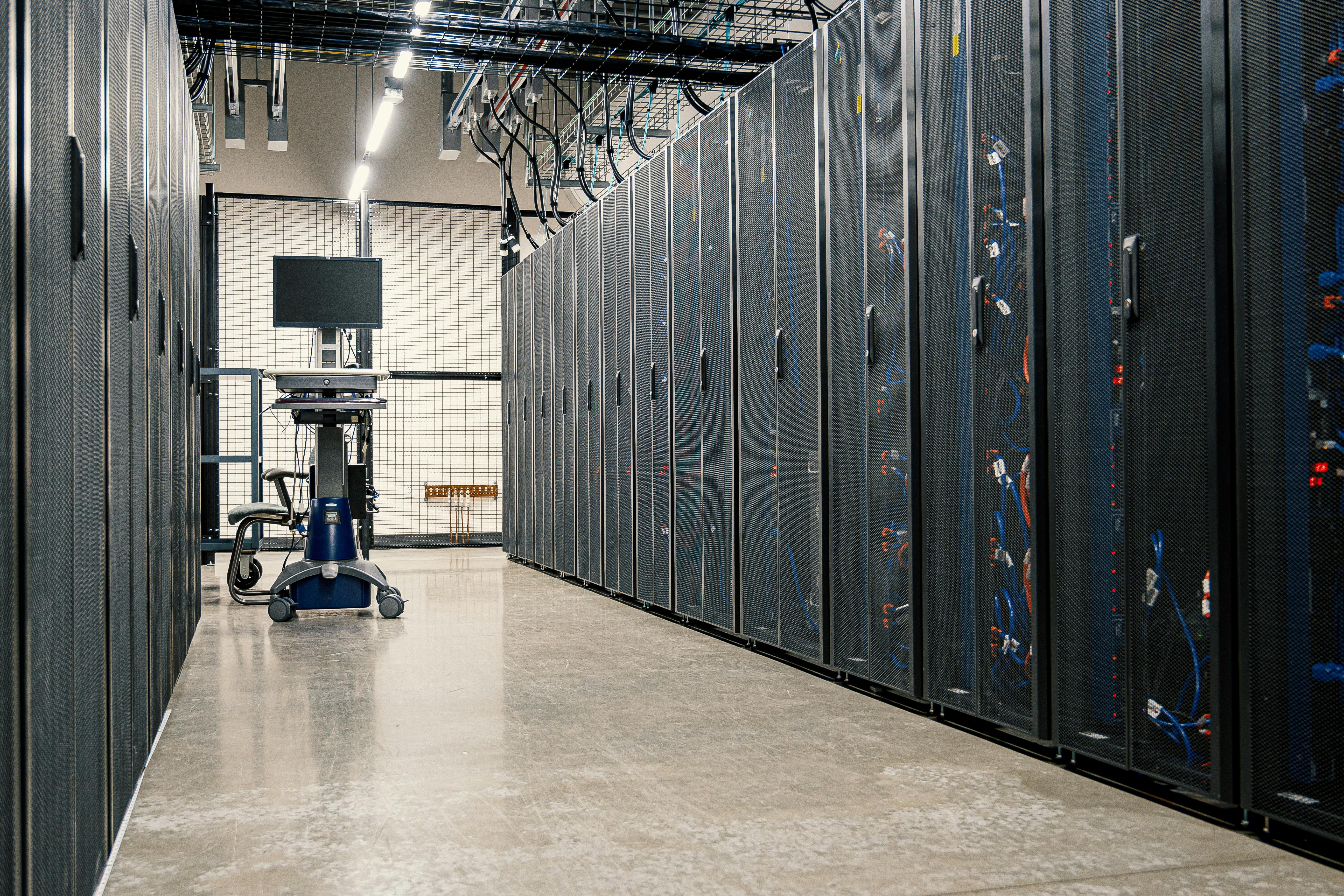
Casey’s appointment and his early messaging sit inside a much larger AWS commitment. The company is pouring $20 billion into Australian data centre construction between 2025 and 2029, an investment that will expand its Sydney and Melbourne regions and has already won it a contract to host top-secret Australian defence intelligence workloads. Infrastructure build-out is on track. But infrastructure without the engineers to operate it is capacity that cools on the balance sheet, a point Casey is clearly prepared to make at every opportunity the new role affords him.
Van Veldhuizen spent four years building AWS’s ANZ commercial business into one of the company’s fastest-growing regions globally. Under her tenure, AWS deepened its government relationships, signed a landmark whole-of-government cloud agreement, and expanded the local partner ecosystem — including a five-year Strategic Collaboration Agreement with Versent signed just this week, aimed at accelerating AI adoption across government and enterprise. Casey inherits a business with the infrastructure pipeline and the partner channel already in place. His portfolio is the human capital to match it.
AWS has run training programmes in Australia for years and claims to have trained more than 400,000 people in cloud skills across the country since 2017. But the urgency Casey brings to the skills message — naming it ahead of tax in his first public comments — signals that the internal calculus has shifted. AWS can build data centres faster than the Australian labour market can produce the people to fill the roles those data centres create. That equation does not improve on its own.
Nor is the problem confined to AWS. Every large technology employer in Australia — from Atlassian and Canva to the major banks standing up internal AI practices — is fishing from the same small pool. Thirty-nine per cent of businesses already saying the skills gap is blocking their AI plans is not a survey finding anymore. It is an operating condition. The bottleneck has moved from forecast to reality, and it is tightening faster than the policy debate has acknowledged. Casey’s appointment was confirmed by Mediaweek, and the company has not disclosed a formal transition date.
His chosen opening argument is a statement of intent. The new AWS ANZ boss is not lobbying for a tax tweak. He is sketching the labour market problem that no legislative fix can solve on its own — and betting that the company with the most Australian data centre capacity also needs to become the company that trains the most Australians to use it.

Soren Chau
Enterprise editor covering AWS, Azure, and GCP in the AU region, plus the SaaS shaping local IT. Reports from Sydney.