Kioxia Dell 9.8PB flash server targets AI data centres
Kioxia Dell 9.8PB flash server pairs 40 245.76TB SSDs in a 2U PowerEdge design aimed at AI and dense enterprise storage workloads.
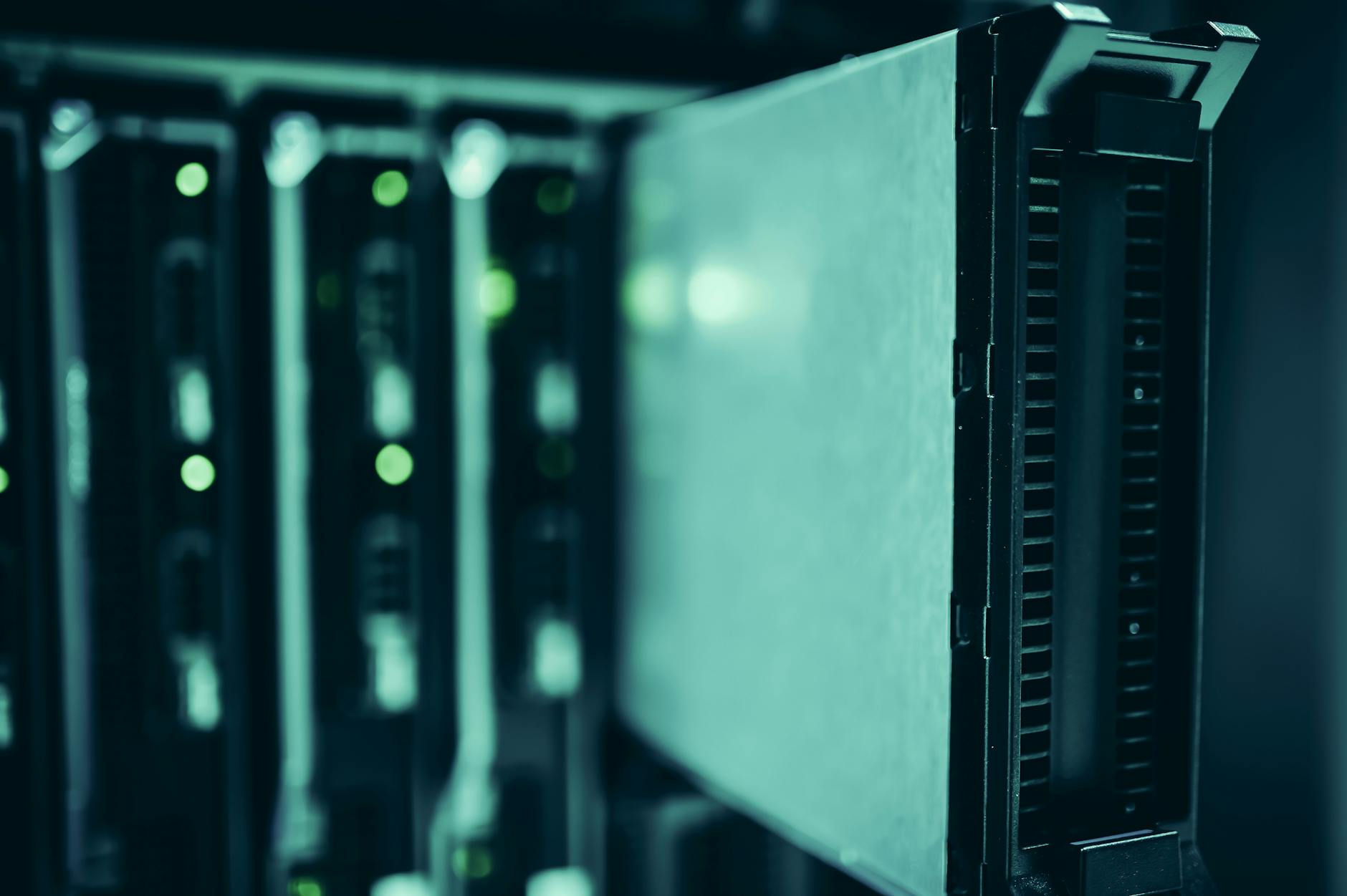
Kioxia and Dell Technologies said they have built a 2U server configuration that holds 9.8 petabytes of flash storage, aimed at AI training, inference and other data-heavy enterprise workloads. The system uses Dell’s PowerEdge R7725xd server and 40 Kioxia LC9 solid-state drives rated at 245.76TB each. On the companies’ numbers, that puts nearly 10PB of flash into a server footprint common in enterprise racks.
The announcement framed the system as a density and power play rather than a record claim. Putting that much flash into 2U can reduce the number of servers, power feeds and network links needed for fast storage tiers. That matters most in AI deployments, where operators are trying to keep training data, checkpoints and analytics workloads close to accelerated compute.
At Dell Technologies World 2026, where the companies outlined the system, Kioxia said the configuration could use up to eight times less power than hard-disk-based alternatives, based on its own comparison. The company did not publish pricing or a full total-cost model, so the claim is easier to assess on density than on economics. Buyers will still need to decide whether the flash premium is justified by lower rack use and lower power draw.
In the company announcement, Dell senior vice president Arun Narayanan said growing AI workloads were forcing infrastructure changes. “As AI workloads grow more demanding, the infrastructure supporting them must keep pace,” he said. That pitch is likely to land with operators that need fast access to large datasets in a tighter rack footprint, even if hard-disk systems remain the cheaper option for bulk retention.
Why the density claim matters
Kioxia said the capacity sits inside a standard enterprise server rather than a purpose-built storage array. According to the company, a single PowerEdge R7725xd can take 40 LC9 drives at 245.76TB each, so the increase comes from higher-capacity media in a familiar 2U format. For buyers already standardised on mainstream server platforms, that lowers the integration hurdle.
Cost will decide how far the design spreads. Kioxia and Dell did not publish a full pricing model, which suggests the early market is more likely to be organisations that value rack density, lower power use and fast access over the lowest storage cost per terabyte.
Independent storage publication Blocks & Files described the build as a notable jump in all-flash capacity for a 2U footprint. The publication also quoted Kioxia vice-president Neville Ichhaporia, who said the 245TB-class drive was “a shift in how we architect AI infrastructures”. For Dell, the announcement adds a concrete density figure to its AI infrastructure pitch. For Kioxia, it is a way to argue that very large SSDs are ready for production enterprise systems rather than remaining component milestones.

Soren Chau
Enterprise editor covering AWS, Azure, and GCP in the AU region, plus the SaaS shaping local IT. Reports from Sydney.