Google turns startup SEO into a distribution problem
Google AI Search is squeezing startup SEO, pushing founders towards brand demand, direct traffic and pages AI answers cannot easily replace.
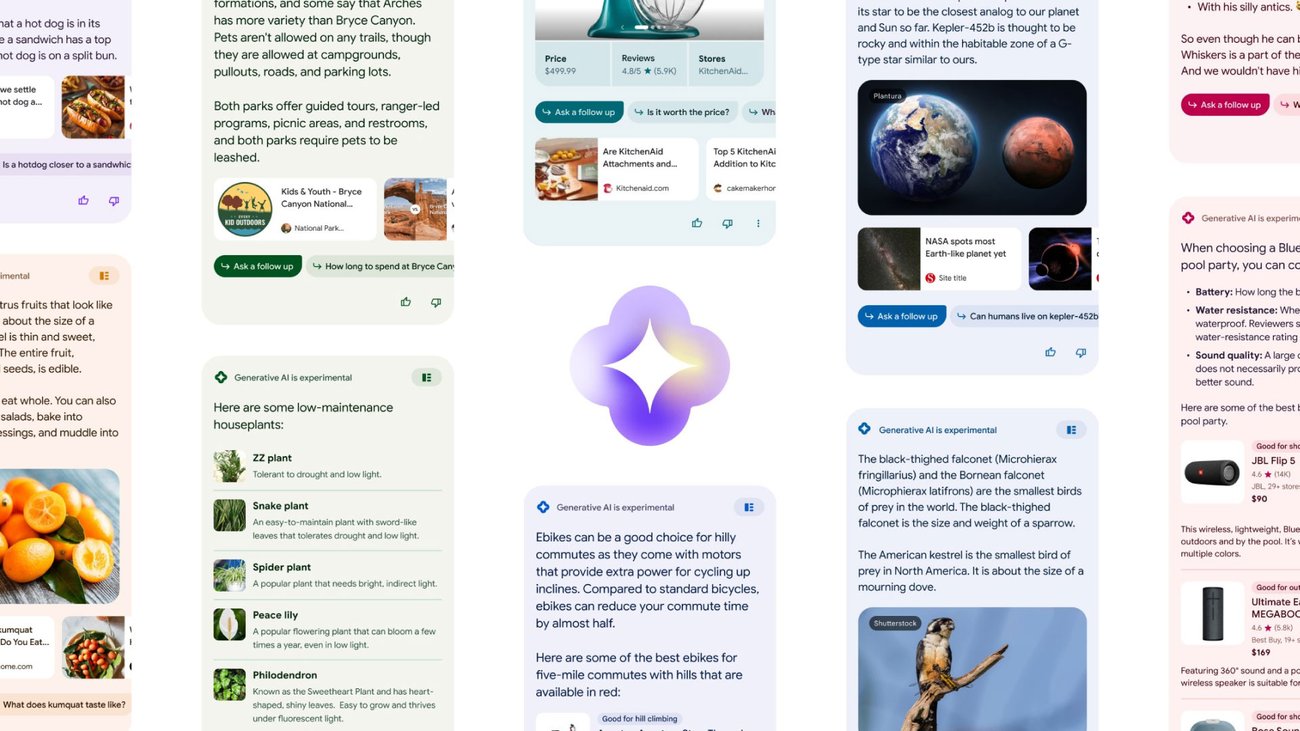
Google’s latest AI search push creates a harder maths problem for startups than for Google. If Search answers more of the query on the page, a young company that once depended on ranking for category terms, comparison pages or explainer content gets less of the cheap traffic that fed demos, email signups and trial accounts. For Australian founders, this lands as a distribution and acquisition story before it lands as an interface story.
Startup Daily’s warning for local founders captures the pressure point. Google still sits where demand starts, but its redesigned results pages increasingly keep the user inside Google’s own product. Blue-link rankings still matter, yet the higher-value asset shifts towards things the model cannot fully absorb: a known brand, a product page with real intent behind it, or proprietary information that an answer box can cite without replacing.
Google, naturally, sees a product that is becoming more useful. In Ars Technica’s account of the I/O rollout, Search head Liz Reid described the shift in blunt terms:
“Google search is AI search.”
— Liz Reid
In that formulation, the unit of value changes. The old Google result sent users outward by default. The new one tries to resolve more of the task before the user leaves, whether the task is a research summary, a shopping comparison or an ongoing alert.
The click is sliding down the stack
Google says AI Mode now reaches 1 billion monthly users, and TechCrunch reported that AI Overviews reach 2.5 billion each month. When a product is operating at that scale, Google has room to keep pushing the interface towards conversation, follow-up prompts and agentic actions.
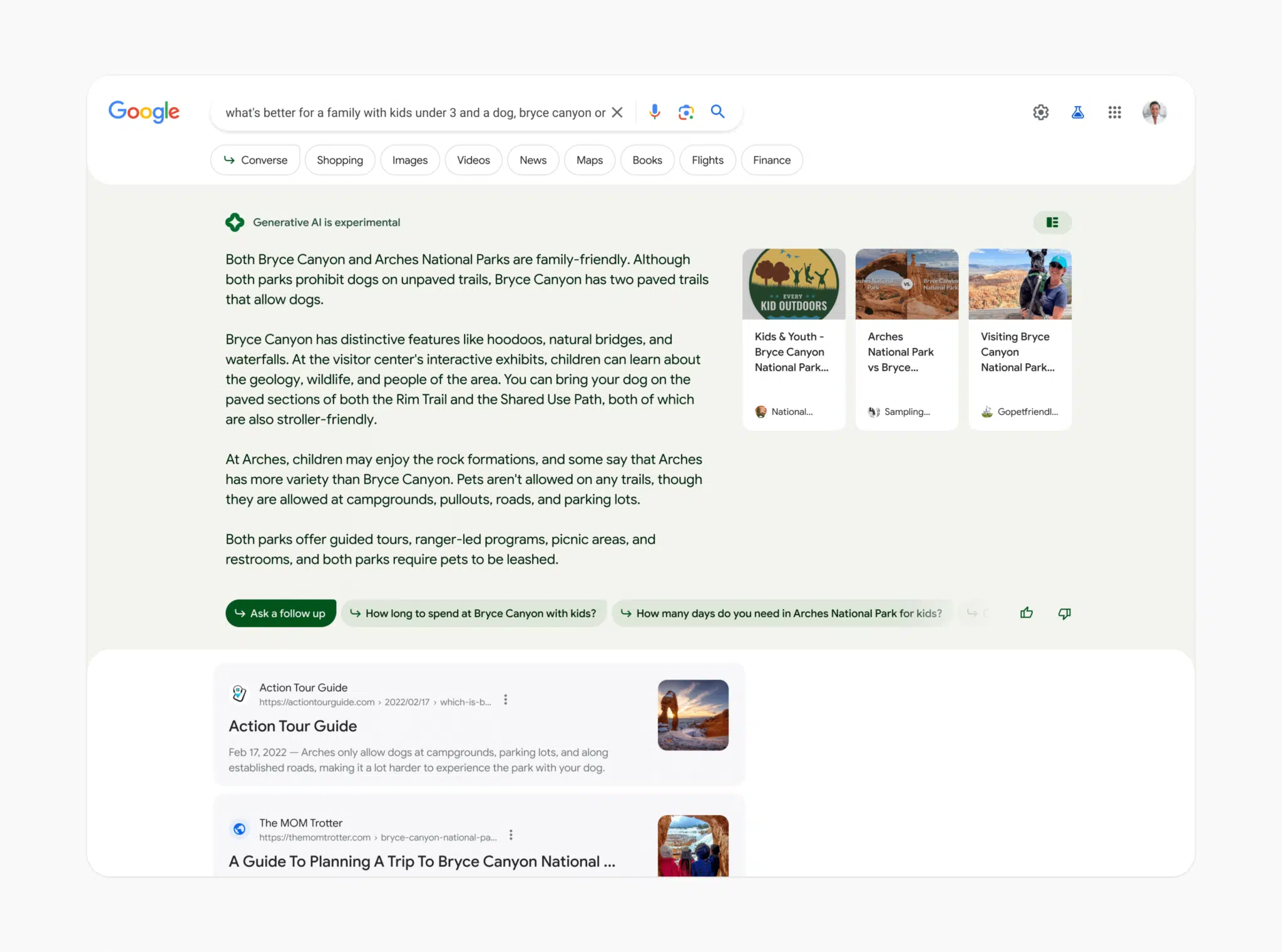
Downstream, the economics of discovery change. The Verge argued that Google’s future search box increasingly behaves like a tool that does the job itself, while The Register warned that AI Mode could keep users inside Google’s garden rather than sending them to the wider web. For a large incumbent with direct traffic, app usage and brand recognition, fewer casual clicks from Google hurt less. For a startup that still needs Google to introduce it to the market, the loss is immediate.
Generic top-of-funnel content is the first layer under pressure. A founder who built growth around “what is”, “best software for” or “how to choose” pages now faces an answer layer that can compress those journeys into a single screen. Pages tied to harder intent, pricing, integration docs, product comparisons with original data, or a clear branded destination still have a job. The easy middle starts to thin out.
For young companies, it is a customer-acquisition hit.
Google can make the trade
From Google’s point of view, the usage numbers justify the redesign. The company said AI Mode queries are more than doubling quarter on quarter, and the broader pitch from Mountain View is that faster, cheaper models let it ship those features to more users across more search tasks. In TechCrunch’s coverage of the launch, chief executive Sundar Pichai framed the scale argument this way:
“Part of the reason we focus on delivering frontier models — highly capable, but also very efficient, fast, and at a lower price — is because we want to bring it to as many people as possible.”
— Sundar Pichai
For analysts, the open question is whether that growth in usage translates into shared value for the sites that supply the information. It may do so for some classes of search. Users still need destinations for transactions, software trials, bookings, logins and detailed evaluation. Still, usage growth inside Google says little about the referral volumes founders care about. An answer engine can be widely used while sending a smaller share of attention outward.
Surrounding coverage already shows the tension. VentureBeat noted that Google is redesigning the most familiar interface in computing while folding in agents, mini apps and richer result surfaces. Wired’s read was starker: Search is being rebuilt to do more of the task without the user. For Google, that means deeper product engagement. For publishers and startups, discovery becomes a moving target.
The startup market is rebuilding around the gap
Fresh capital is flowing into the companies that think this new search layer can be measured, navigated or rebuilt. TechCrunch reported that Exa Labs raised $US250 million (about $390 million) at a $US2.2 billion valuation (about $3.4 billion). Bloomberg also reported the round as a sign that investors see AI search as a category with room for multiple winners.
Investor money points to where the market thinks value is moving. In the old search economy, much of the work went into ranking pages for human clicks. In the next one, some of the spend shifts towards retrieval infrastructure, citation tracking, agent workflows, and tools that tell a company whether its product even appears inside AI answers. Search is still there; the instrumentation around it changes.
Search is being repriced.
What Australian founders need to change
For Australian startups and smaller publishers, the practical answer arrives sooner than the theoretical one. Startup Daily and SmartCompany both framed Google’s AI overhaul as a direct risk to SME discovery. The timing matters because few local startups have the margin to wait for a traffic cliff before they diversify.
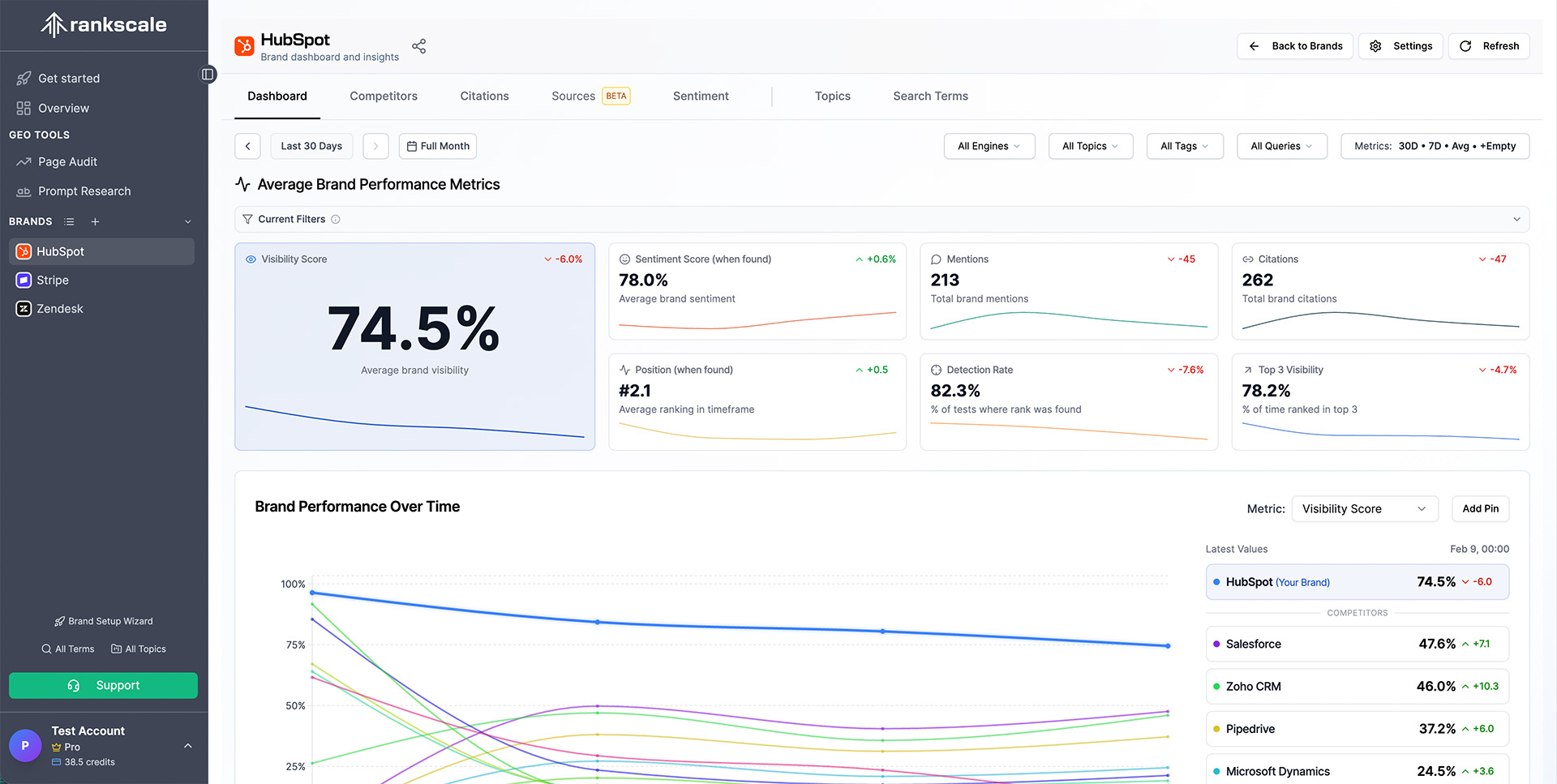
One adjustment is to treat SEO as one part of a wider distribution system. Brand search demand matters more when generic discovery gets absorbed upstream. Email lists, communities, partnerships, retailer presence, app retention and direct navigation all become more valuable. So do pages that carry irreplaceable substance: live pricing, implementation detail, proprietary benchmarks, customer evidence, and tools that solve a task rather than merely describe it.
A second adjustment is technical. If AI search products are turning websites into sources as much as destinations, startups need content that machines can parse cleanly and quote accurately. Clear schema, strong headings, updated facts, and pages organised around real entities and product use cases matter more in that environment than blog copy written mainly to satisfy yesterday’s keyword checklist.
Organisationally, founders and growth teams need new reporting lines. Ranking reports alone will tell less of the story. Teams will need to watch branded search, direct traffic, conversion rates from high-intent pages, and whether their products are being cited inside AI answers at all. The question from the user-affected perspective is how fast to move. The answer is now, because the interface change is already live at Google scale.
Across all of this, Google’s search business still decides who gets discovered. AI Mode sharpens that power by turning Search into a more complete answer layer. For startups, traffic borrowed from Google looks less dependable, while distribution built around brand, product depth and direct relationships looks more durable.

Jules Hartman
Startup reporter tracking the Sydney–Melbourne ecosystem, raises, and exits. Reports from Surry Hills.